

I mistakenly sent this draft out before finishing it on Sunday. Maybe it’s the heat that makes me so incompetent a n d cranky. Add to that reading about nasty viruses here to stay. Add to that selected phrases on the history of the virus penned in the World Health Organization’s report – in its entirety here:
http://www.portal.pmnch.org/emergencies/zika-virus/articles/one-year-outbreak/en/
And I quote: “One year into the Zika outbreak: how an obscure disease became a global health emergency.” One year? That thing has been around – documented – since 1947. True outbreaks, when hopping from Africa to Micronesia and then French Polynesia, occurred around 2013/14, with 70% of the population of some islands infected. Guillain-Barré syndrome, a debilitating neurological disorder caused by the – now probably mutated virus – already documented. (Microcephaly, the birth defect, also found in retrospective research – nobody associated it with Zika at the times.) But now it hits countries we travel to or live in….it reached Brazil in 2014 with the World Sprint championship canoe races.
Late 2014 we have an explosion of cases all across Brazil. Within a year, the virus had been detected in nearly every country or territory infested with Aedes aegypti, the principal mosquito species that transmits Zika, dengue, and chikungunya. People’s lack of immunity and the behavior of the day-feeding, water breeding mosquito contribute. And I quote: “The mosquitos flourish in the litter, open ditches, clogged drains, containers for water storage, old tyre dumps, and crowded flimsy dwellings typically seen in urban and periurban areas where population growth has outstripped the capacity to construct essential infrastructure, like piped water and sanitation.” Population growth outstripped capacity for infrastructure? Hello? What about lack of funding and political will for emptying shantytowns and building safe environments?
Ok, let’s be fair. After the report prominently mentions that caring for a child with microcephaly costs $10,000.000 for a lifetime it acknowledges that in most countries this burden falls on the poor who have no access to healthcare in the first place and need to store water in containers, the ideal breeding grounds for mosquitos.

And here we see it in Puerto Rico and Florida, http://www.nbcnews.com/storyline/zika-virus-outbreak/u-s-declares-health-emergency-puerto-rico-due-zika-virus-n630131 – states, incidentally, that rely economically on a tourist industry. Any bets on travel plan changes?
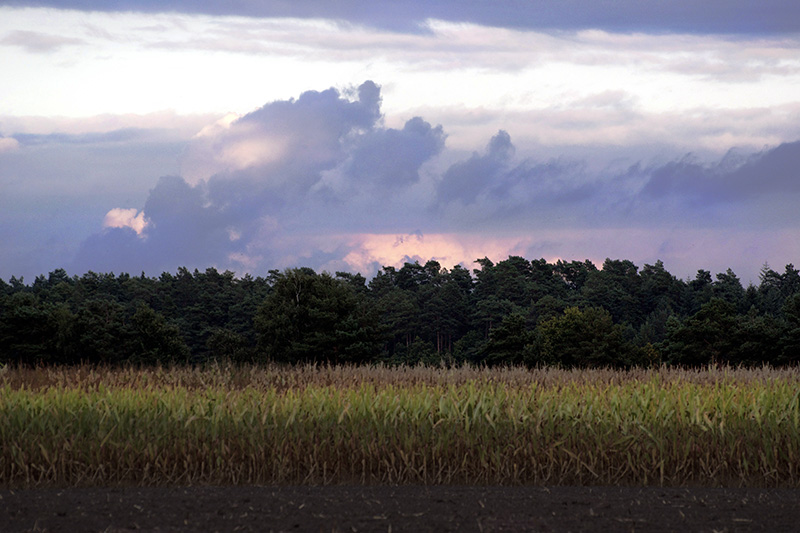


 There seems to be no evidence whatsoever at this point that GMO engineered food is bad for you or for the animals fed with it. People have crossbred for centuries, and now they are doing it more efficiently and with required hoops of testing. What is the net environmental impact, you might ask? Do herbicide resistant crops increase the use of herbicides? Yes they do, but they also reduce the need for tilling the soil, which is bad for it and releases CO2 into the environment. It becomes a question of agricultural diversification – if you plant a mix of GMO and non-GMO crops you are ahead in terms of producing more food and doing so economically, without hurting the environment. The same is true for insecticide engineered crops: they reduce the need to spray those poisons, but they might increase the number of resistant bugs. Note that BT, the insecticide from a bacterium that has been added, is widely used by organic farmers in its original form since it is deemed environmentally safe. Again, sustainable strategies would call for a mix of both kinds of crops.