
Between Mt. Rainier and Mt. Adams lie 108,096 acres of Goat Rocks Wilderness, a portion of the volcanic Cascade Mountain Range. The Goat Rocks are remnants of a large volcano, extinct for some two million years. You find snow there up until July, meadows of wildflowers, small lakes and pools filled with glacier water in all shades of green, turquoise and blue.
Crisscrossed by numerous trails and the PCT, it is heaven for those who are fond of marmots, picas and goats, not necessarily in that order. Volunteers maintain the Pacific Crest Trail. 
You can camp there in the wilderness as long as you observe fire bans, and you can thank your prescience that you invested in stocks of band aid companies, since you will need a million bandaids for all the blisters from steep climbs on uneven trails. Man, is it worth it when you reach the top and see the blessed land. 


The goat rock area is located within the Gifford Pinchot National Forest, named after an extraordinary individual, really the father of the conservationist movement. Think rich East coast kid, Yale-educated, interested in forestry in the 1880s. Since that field does not exist in the US he goes to Nancy, France to study it and then comes back here to found the Forest Service under Roosevelt’s protection. The link below describes his life and accomplishments.
http://www.foresthistory.org/ASPNET/People/Pinchot/Pinchot.aspx
Here is a quote from him:”
 “When I came home not a single acre of Government, state, or private timberland was under systematic forest management anywhere on the most richly timbered of all continents….When the Gay Nineties began, the common word for our forests was “inexhaustible.” To waste timber was a virtue and not a crime. There would always be plenty of timber….The lumbermen…regarded forest devastation as normal and second growth as a delusion of fools….And as for sustained yield, no such idea had ever entered their heads. The few friends the forest had were spoken of, when they were spoken of at all, as impractical theorists, fanatics, or “denudatics,” more or less touched in the head. What talk there was about forest protection was no more to the average American that the buzzing of a mosquito, and just about as irritating.”
(From Breaking New Ground, Washington, D.C.: Island Press, 1998, page 27.)

Individual people can make a huge difference, we should not forget that. That is true for Pinchot’s wife, Cornelia, as well, who was an ardent feminist and radicalized her husband in the 1920s. Yeah for those nasty women!


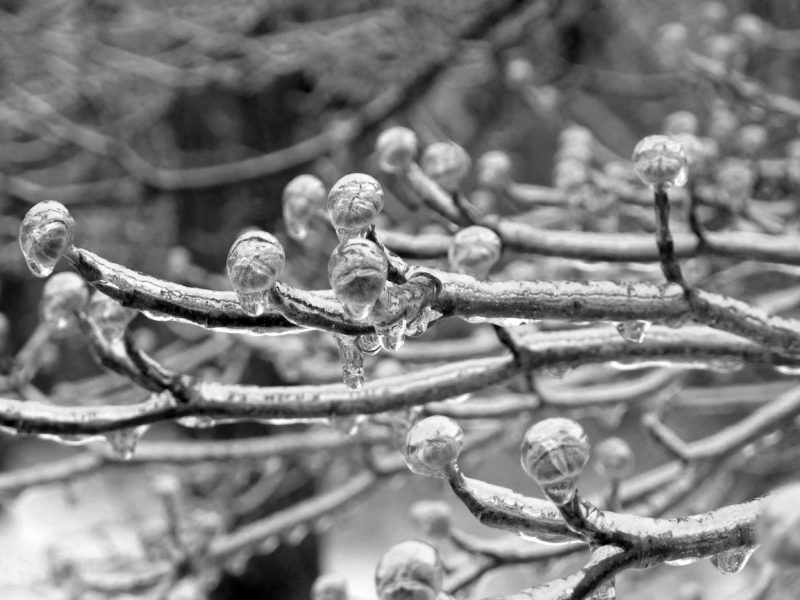


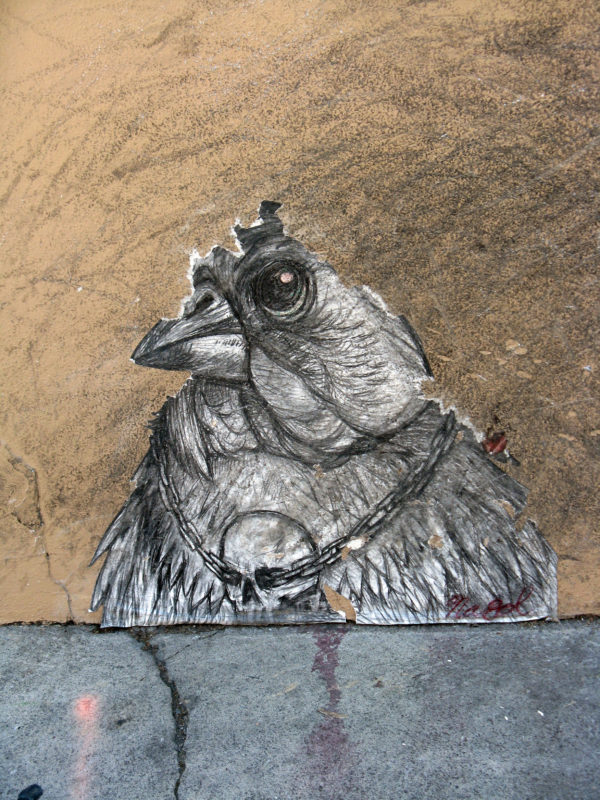

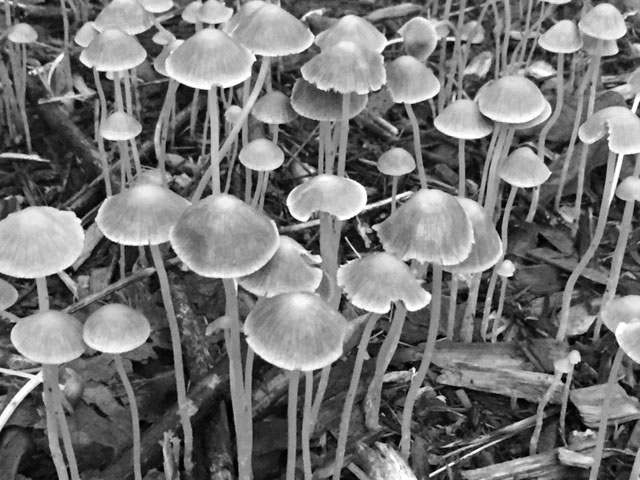


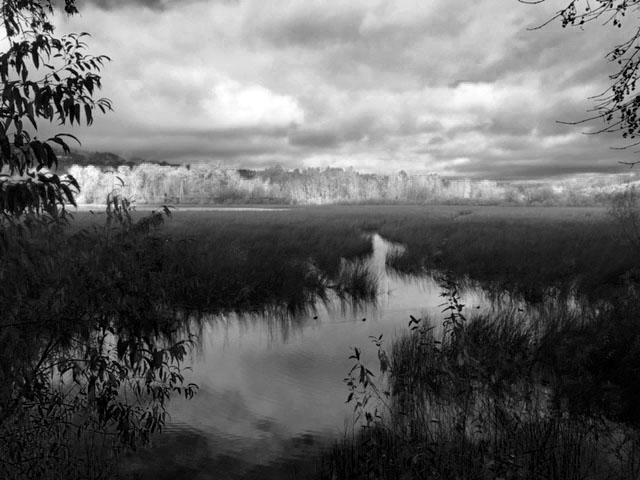


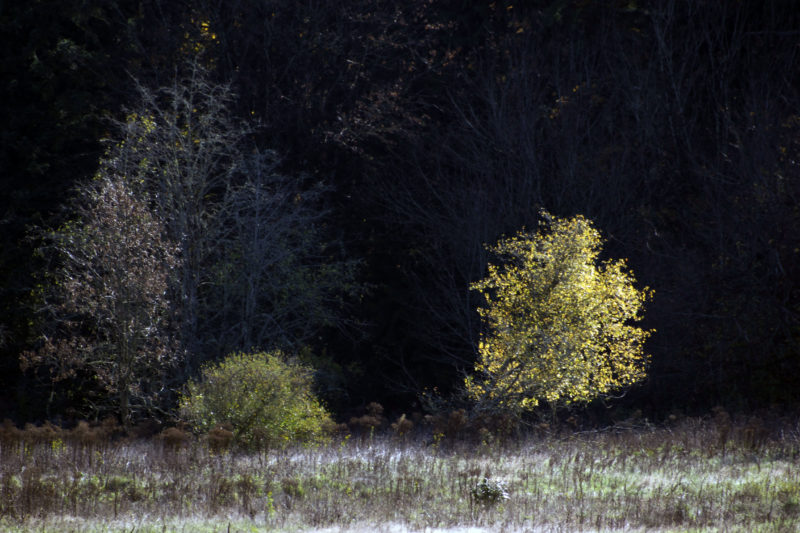





 PS: Could you detect the men among them?

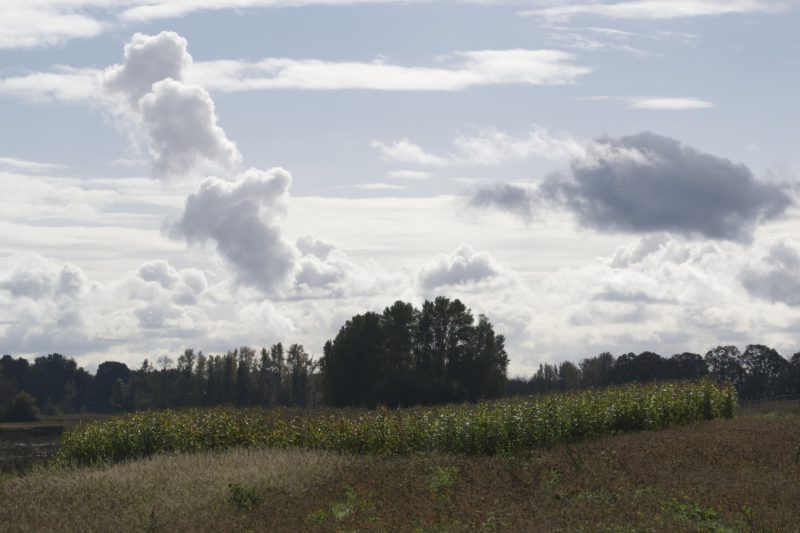


 Did you know that the largest island in the Columbia river, a piece of land the size of Manhattan, lies 10 miles north of Portland? Yep, you do: you know it as Sauvies Island, bordered by the Columbia river, the Multnomah channel and the Willamette. It is an easily accessible paradise for bird watchers, bike riders, nude bathers, kayakers and the rest of humanity that wants to hike extensive loops, admire the smallest light tower in OR, or go for u-pick bounty from spring to fall.


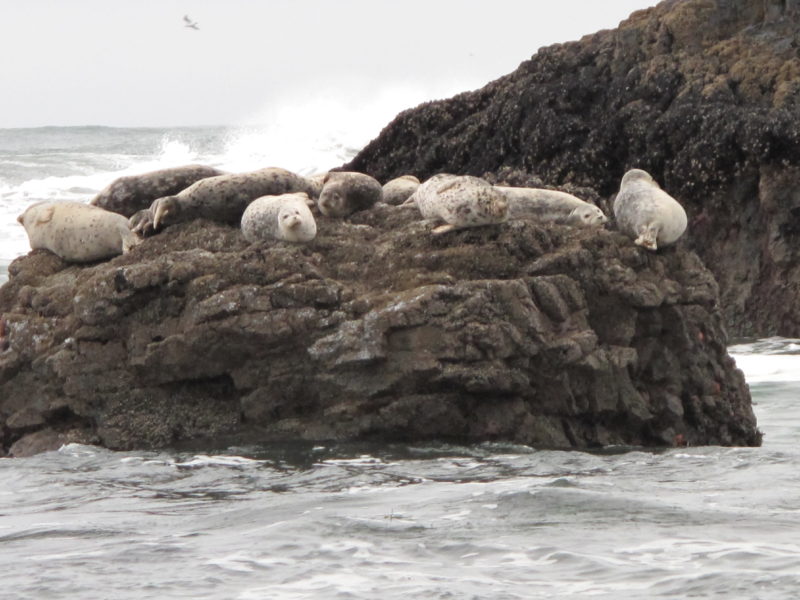


 Or not.


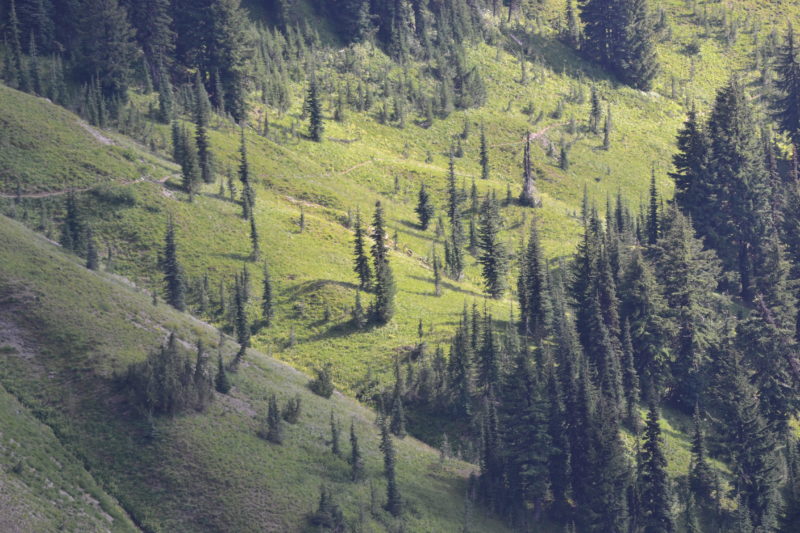
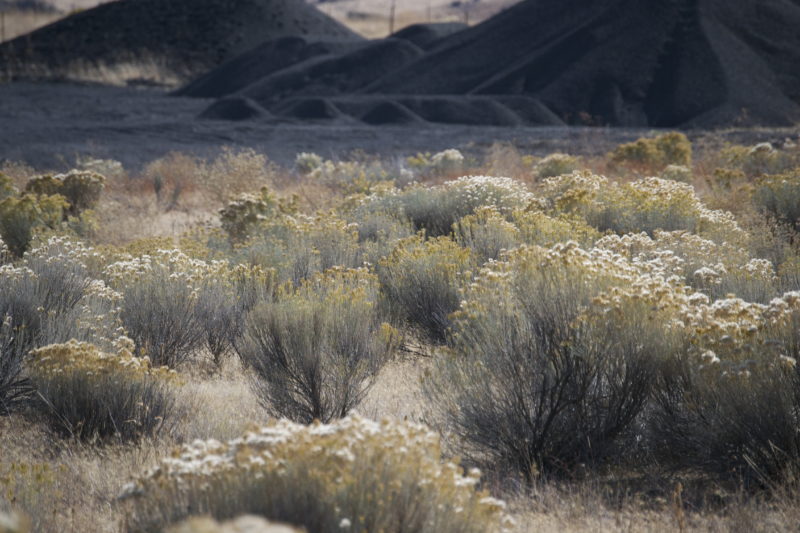


 I think I have said it before, but the rolling hills of the Eastern end of the Gorge always remind me of gigantic, alien sea lion backs. The sky over them changes hourly, and if there is wind there are so many sounds that you usually don’t hear, as if the sagebrush comes to life and whispers. A ravishing landscape during all seasons.


