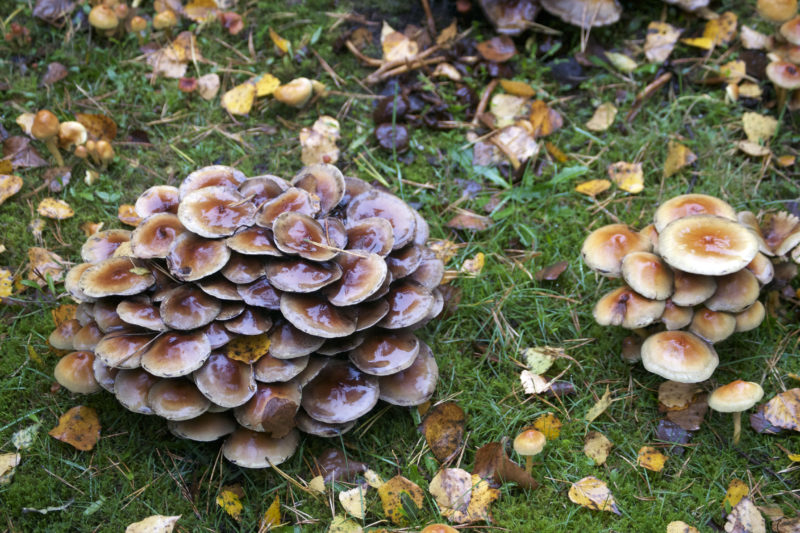

Fall is the time to go mushrooming. That is, if you know the difference between fungi and mushrooms, the difference between edible and poisonous mushrooms, and the places where to look for them. And those place haven’t been logged recently. And you are prepared to run into people who defend their turfs with weapons. Yes, you read that right – although it looks like the mushroom wars have slowed down bit. (You didn’t think you would read a blog without politics, did you?) Whether Montana, Washington or Oregon, groups of people fight over access to prized locations for morels as well as chanterelles.

Too many requirements for me to go mushrooming, but I do like to eat them. A recent visit to “Little Bird”, one of my favorite but rarely experienced PDX restaurants, provided the best mushroom and spinach in puff pastry – lunch you could imagine!

 Mushrooms played a large role in the fairy tales of my childhood, both those of the brothers Grimm and the Russian tales that were a staple. I now learn that they play a role in African folklore as well, and in the tales of the native peoples of Alaska. As so many repeated features in fairy tales do, they probably served an educational role. Mushrooms were an essential part of the fall/winter diet, they could be dried and used in soups. Important, then, to know that they could be dangerous, particularly if you went for the really pretty red ones with the white dots (Amanita muscaria or Fly Agaric.) It is not deadly, unless you eat 7 or so of them, but some of its cousins are. It is, however, psychotropic, and was used in religious ceremonies in numerous countries.
And talking about getting high: here is new evidence for a historical sniffler (and monster on drugs):
https://www.theguardian.com/books/2016/sep/25/blitzed-norman-ohler-adolf-hitler-nazi-drug-abuse-interview?CMP=fb_gu

Prokofiev wrote a book of stories that were recently translated into German, alas I could once again not find an English translation. One of them is a fairytale about a mushroom prince….. it never made it into his music. So we’ll listen to and watch the autumn fairy, appropriate for the season, from his Cinderella.





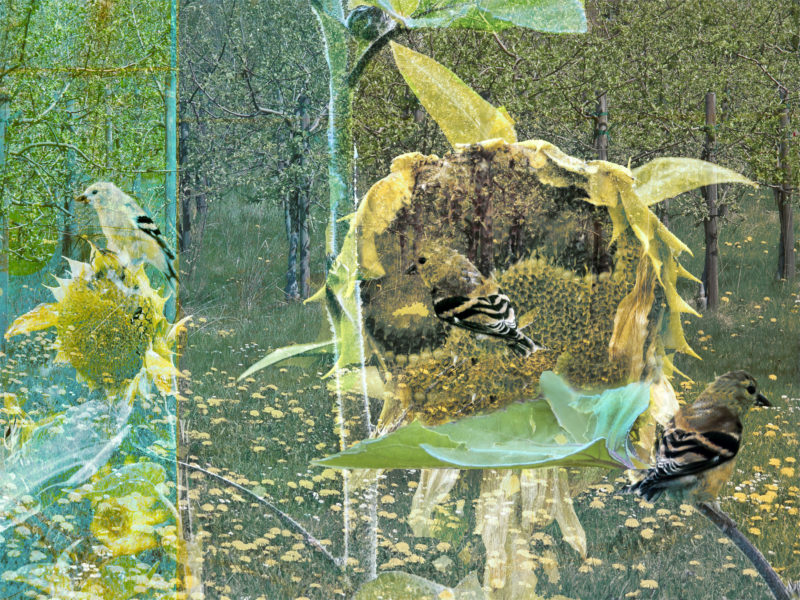


 Last Sunday the entire grandiose Catalogue of Birds by Messiaen was played across different places in nature during the course of a day into the night. Starting with a walk at dawn to hear the real birds, the concert commenced among the reeds. At night it finished fittingly in a hall, performing the calls of the night owl. Luckily all this happened in England, at the Aldeburgh Festival last week, so I didn’t have to stay up late, which is harder for me than to get up early. Wouldn’t have liked to miss the owl. Unluckily, this seems like an event of a lifetime, organized with British precision, stamina and a sense of adventure, shuttling the audience from one spot to another, an experience I would have relished. The festival director, Pierre-Laurent Aimard, was also the pianist, playing, as you can see in the clip below, with hand warmers in the dawn!


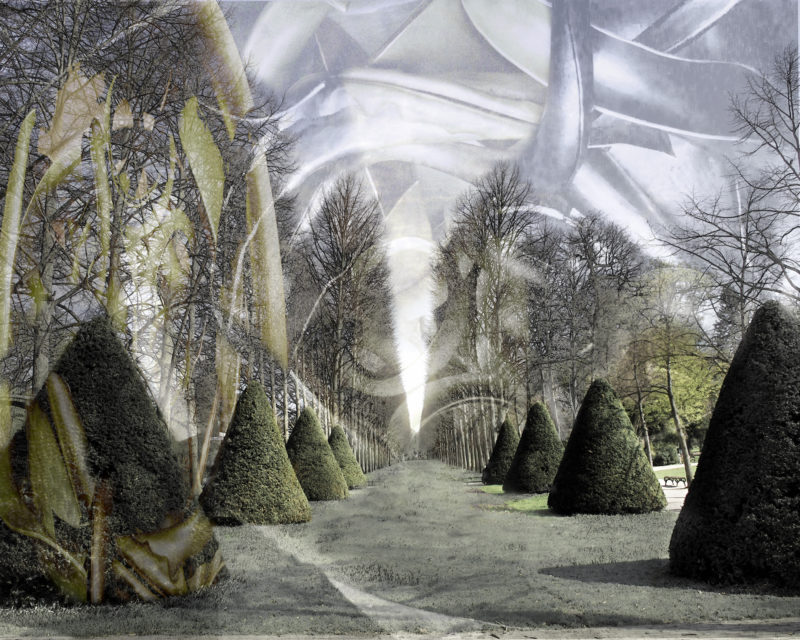

 According to the review the book traces the history of public parks including their role (in the eye of philanthropic Victorians) to pacify the urban poor. Post WW I park creation was increased to enhance physical fitness in young men, having shown lamentable lack thereof when conscripted earlier. And of course now parks are making way for ever larger number of shopping malls… I find it interesting to learn about what social, political or economic pressures shape environments that we take for granted.



 much less be successful.
 They need vision – a plan, a sense of design, the ability to translate from a piece of drawing paper to the visualization of how things look like. They need patience, because things evolve slowly. They need a high tolerance for lack of control, because each garden has its own mind, and things never work out as planned. They also need to like things ephemeral, or at least accept that state, because things happen quickly and are gone before you blink when it comes to blooming season.
 The latter kind also introduces some additional requirements: you need to be able to lead a team and work with others, since the tasks cannot be done by one person alone, and you need to have the openness to accept your team mates’ ideas – since everyone who steadily tends to a large garden develops a sense of ownership. You need to be able to convey that you call the shots without feeling guilty and you need – let’s be blunt – some serious financial commitment, since large gardens are not a cheap passion.