Browsing Category

Bird Photography

In Flight

I have few words of my own to offer today, so that there is more time to read the words in the attached link.

https://www.newyorker.com/magazine/2019/08/19/the-fight-to-redefine-racism

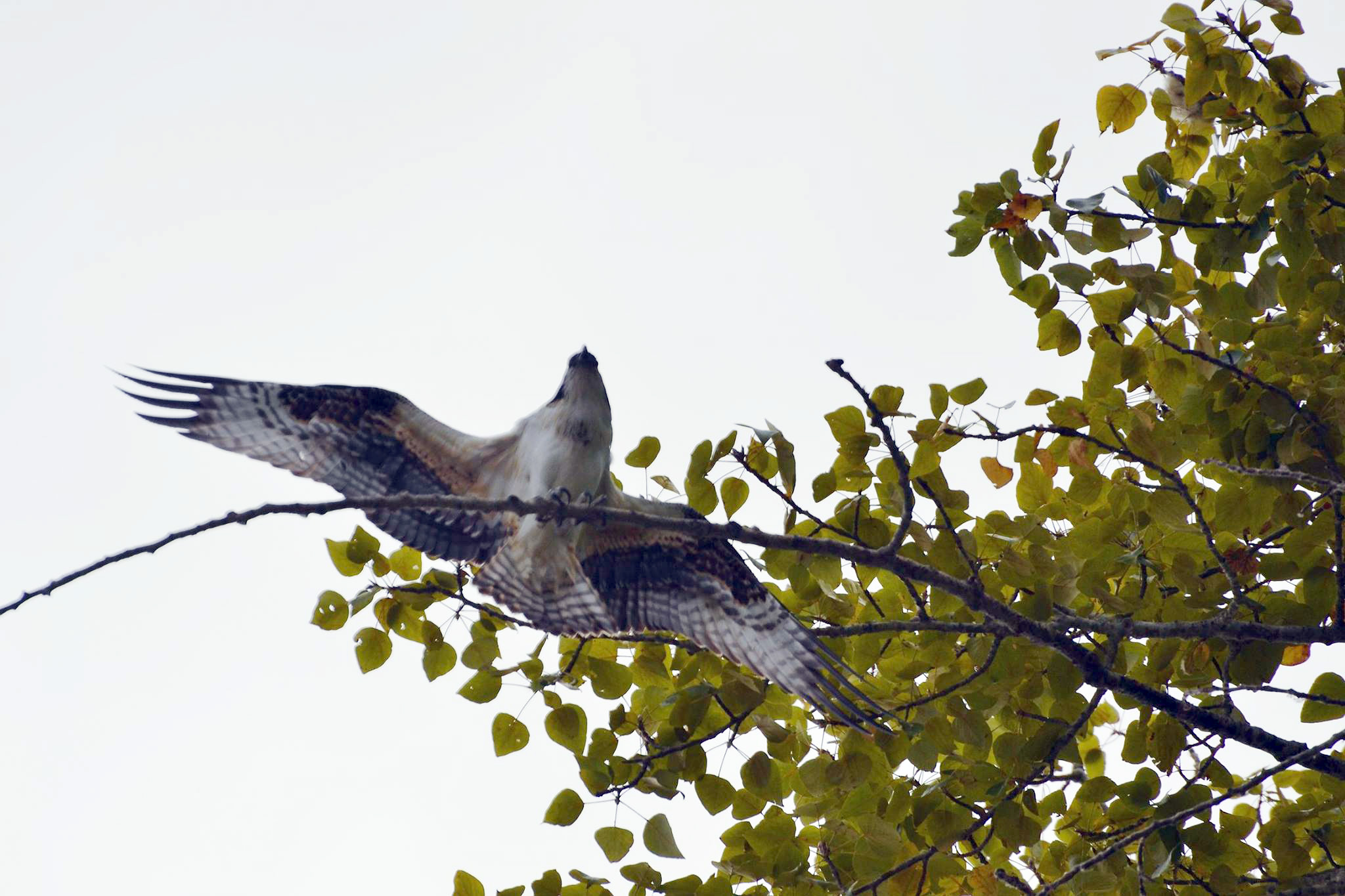
If the photographs of ospreys seem unconnected – well, they are mostly captured in flight and I will be flying too, reading Kendi en route to the East Coast. Ibram X. Kendi is Professor of History and International Relations and the Founding Director of the Antiracist Research and Policy Center at American University in Washington, DC. His newest book just came out: How to Be an Antiracist. His previous book, STAMPED FROM THE BEGINNING: THE DEFINITIVE HISTORY OF RACIST IDEAS IN AMERICA, won the 2016 National Book Award for Nonfiction.

It will be the usual, then, the occasional Art on the Road report, but no regular posts until I return from my travels. And speaking of which: here is a proposal by the German Green Party to ban domestic flights by the year 2035. In a country the size of Germany that is conceivable, if trains pick up the slack. Not so much here, when you consider what it would take to visit anywhere in the country….

In any case – I’m off. Just think: you’re getting a break!

Music offers a couple of selections for Labor Day!

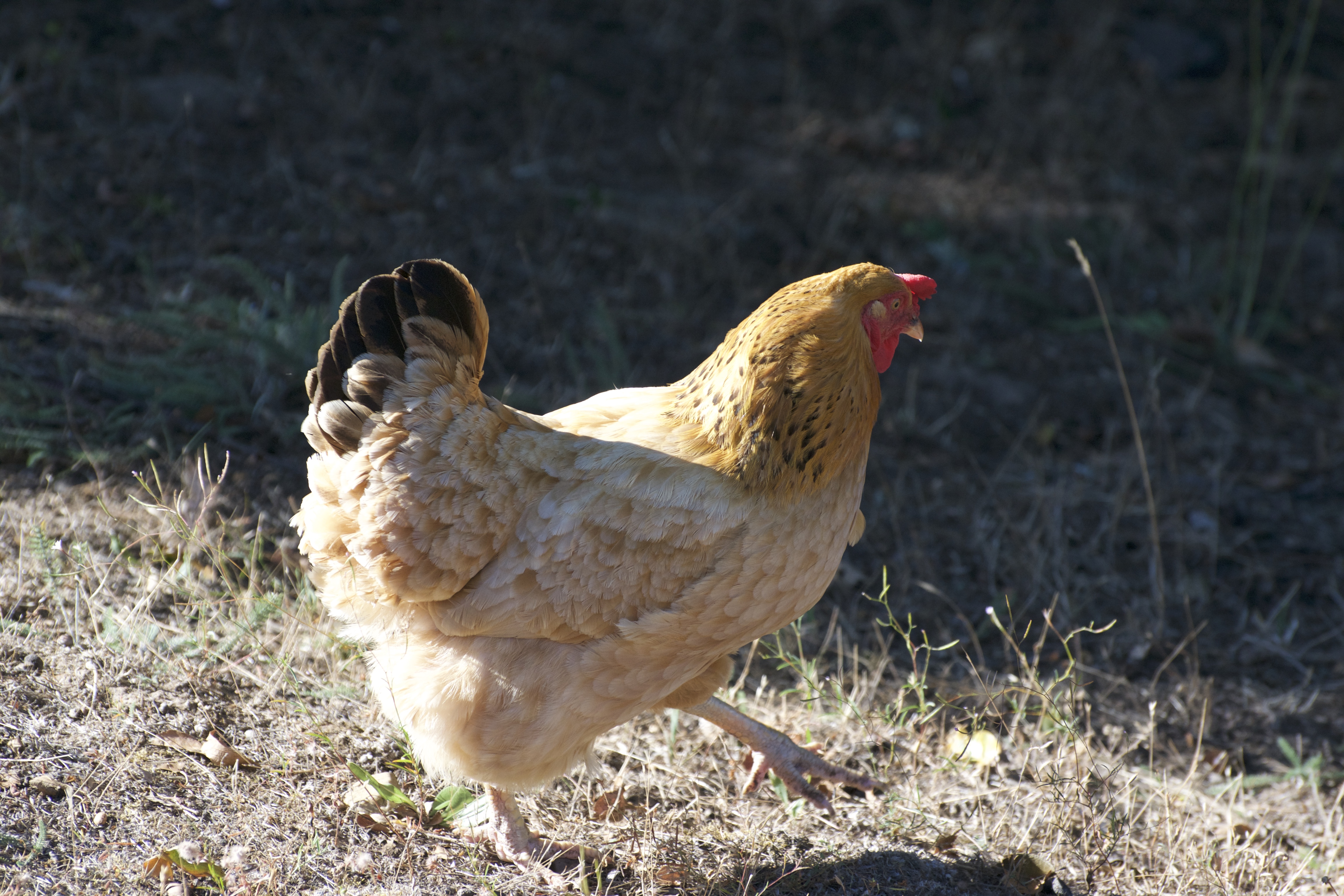
The chickens will come home to roost

On my way home in the car from a terrific but exhausting weekend at Maryhill Museum (more on that to come later this week) I heard an interview with Christine Lagarde, leader of the IMF until recently.

When asked about what had possibly confounded her in all her years in leadership positions, she answered, “A study that showed that 90% of the 189 membership countries of the International Monetary Fund had legal and/or constitutional restrictions, discriminating against women.”

Here is more on that. We are talking about issues concerning inheritance, or custody of children, or being allowed to own businesses. Some countries forbid women from doing specific jobs, 59 countries have no laws against sexual harassment in the workplace and there are 18 countries where women can be legally prevented from working. And this is only a partial list!

And here is the link to the interview.

Time for change(s,) no clucking allowed.

Horticulturist Hummers

By now you might have noticed that this week’s blogging is dedicated to the beautiful things in my immediate vicinity – bugs, bees, bird, flowers, you name it. It was an attempt to remind myself that you do not have to travel far to find wonder – I had just declined an invitation to a wedding in an exotic location, my (now thwarted) lust for adventure severely at odds with my desire to reduce my carbon foot print, and to boycott a destination life-style, among other reasons.

I am not saying there is anything wrong with travel – it will always be one of my favorite things. I just want to be more conscious in what kind of travel I choose and for what reason.

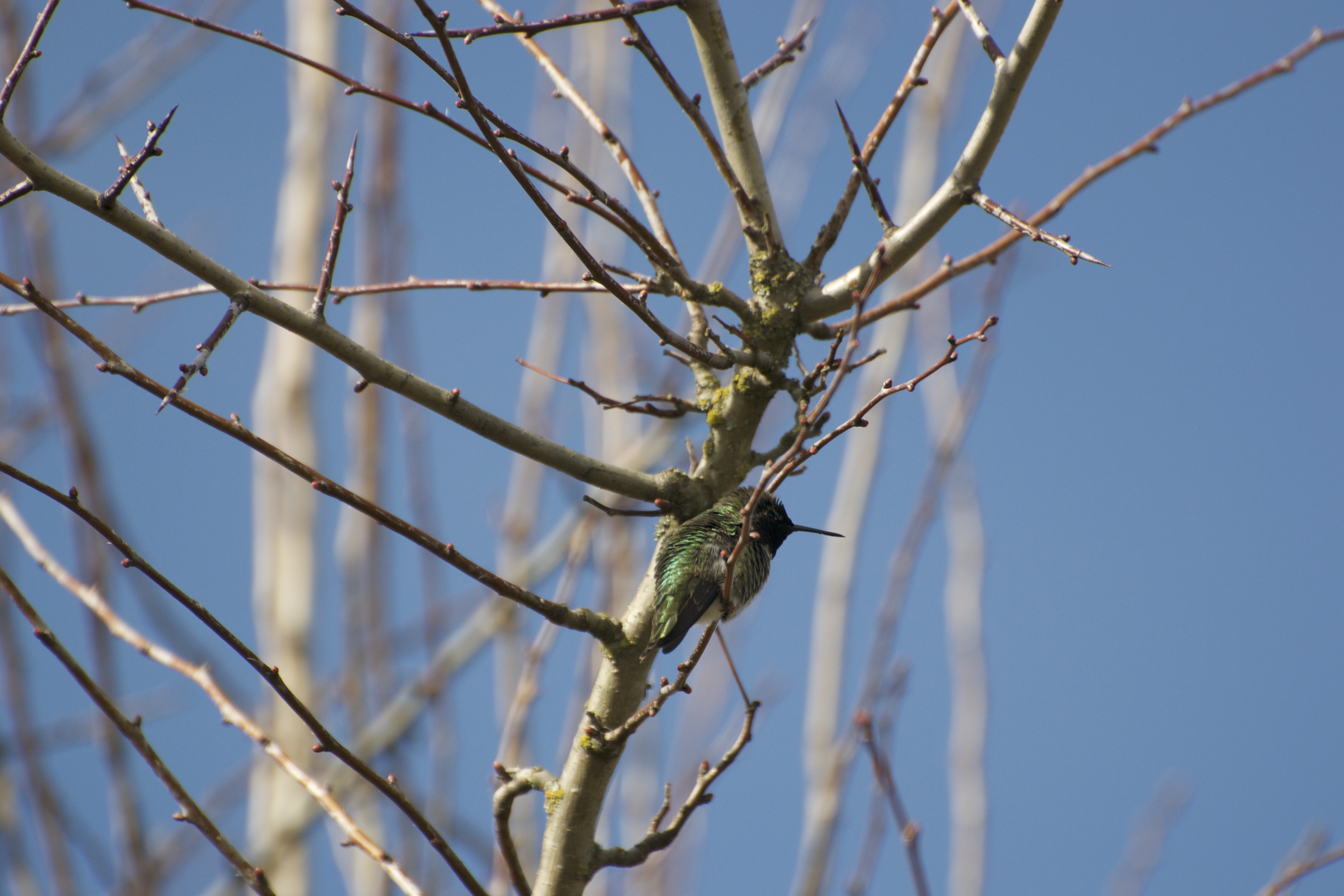
Sunday’s chance encounter with the hummingbird (Kolibri) in these first two photographs, and the many more I found in my archives, was the best possible reassurance that I want for nothing in the beauty-and-awe department.

Hummingbirds are important pollinators; the fluttering of their wings moves loose pollen around until it finds its destination. Their bills are often covered with sticky pollen that gets transferred to the next flower when they move on to take another nectar sip somewhere else. And pollen even sticks to their heads when they move deep into a blossom, brushing again the anther. True friends of any garden.

Here is a clip that shows them drinking:https://www.youtube.com/watch?v=RtUQ_pz5wlo

Below is a poem by Pablo Neruda that paints with words the colors and the joy you feel when near these oscillating creatures.

Ode to the Hummingbird

The hummingbird
in flight
is a water-spark,
an incandescent drip
of American
fire,
the jungle’s
flaming resume,
a heavenly,
precise
rainbow:
the hummingbird is
an arc,
a golden
thread,
a green
bonfire!

Oh
tiny
living
lightning,
when
you hover
in the air,
you are
a body of pollen,
a feather
or hot coal,
I ask you:
What is your substance?
Perhaps during the blind age
of the Deluge,
within fertility’s
mud,
when the rose
crystallized
in an anthracite fist,
and metals matriculated
each one in
a secret gallery
perhaps then
from a wounded reptile
some fragment rolled,
a golden atom,
the last cosmic scale,
a drop of terrestrial fire
took flight,
suspending your splendor,
your iridescent,
swift sapphire.

You doze
on a nut,
fit into a diminutive blossom;
you are an arrow,
a pattern,
a coat-of-arms,
honey’s vibrato, pollen’s ray;
you are so stouthearted–
the falcon
with his black plumage
does not daunt you:
you pirouette,
a light within the light,
air within the air.
Wrapped in your wings,
you penetrate the sheath
of a quivering flower,
not fearing
that her nuptial honey
may take off your head!

From scarlet to dusty gold,
to yellow flames,
to the rare
ashen emerald,
to the orange and black velvet
of our girdle gilded by sunflowers,
to the sketch
like
amber thorns,
your Epiphany,
little supreme being,
you are a miracle,
shimmering
from torrid California
to Patagonia’s whistling,
bitter wind.
You are a sun-seed,
plumed
fire,
a miniature
flag
in flight,
a petal of silenced nations,
a syllable
of buried blood,
a feather
of an ancient heart,
submerged

Music is a sincere hommage to the poet:

Ospreys

The osprey, or more specifically the western osprey (Pandion haliaetus) has many names. It is also known as sea hawk, river hawk, and fish hawk — and is a diurnal, fish-eating bird of prey with a cosmopolitan range. I don’t remember all the details, but some early scientist screwed up his Greek mythology memory bits when naming the bird. Savigny, the ornithologists, remembered something about a Greek king named Pandion and a bird. Never mind that it was his daughters and their awful husband who were turned into birds…. here, I looked it up. You’re welcome.

At least I know the common name – in contrast to one of my favorite poets of all time, Billy Collins….but then again he makes a poem out of it that, just like yesterday’s, so very much values connectivity. Naming. Knowing. Taking in.

The poem I really wanted to think about today, though, is the next one – hey, it’s Friday, you have all weekend to read a double dose.

Here is the bio blip from the poet’s website:

HAI-DANG PHAN is the author of Reenactments: Poems and Translations (Sarabande, 2019). His writing has been recognized by fellowships and scholarships from the National Endowment for the Arts, Bread Loaf Writers’ Conference, and the American Literary Translators Association, and has appeared in Lana Turner, New England Review, The New Yorker, Poetry, and Best American Poetry 2016. Born in Vietnam, he grew up in Wisconsin and currently lives in Iowa City.

Osprey

The Bell Boeing V-22 Osprey is of course an American multi-mission, tiltrotor military aircraft with both vertical takeoff and landing (VTOL), and short takeoff and landing. – Note, it is a military transport aircraft. I thought in this week where the saber rattling towards Iran was drowned out by the concerted din of the legal attacks on abortion, we might pause and think.

Two musical moments: Haydn’s description of an eagle soaring on his strong wings…

and, since my role this week was to catch the birds for you, a true war horse, or should it be war bird….Mozart and I wish you a delightful weekend!

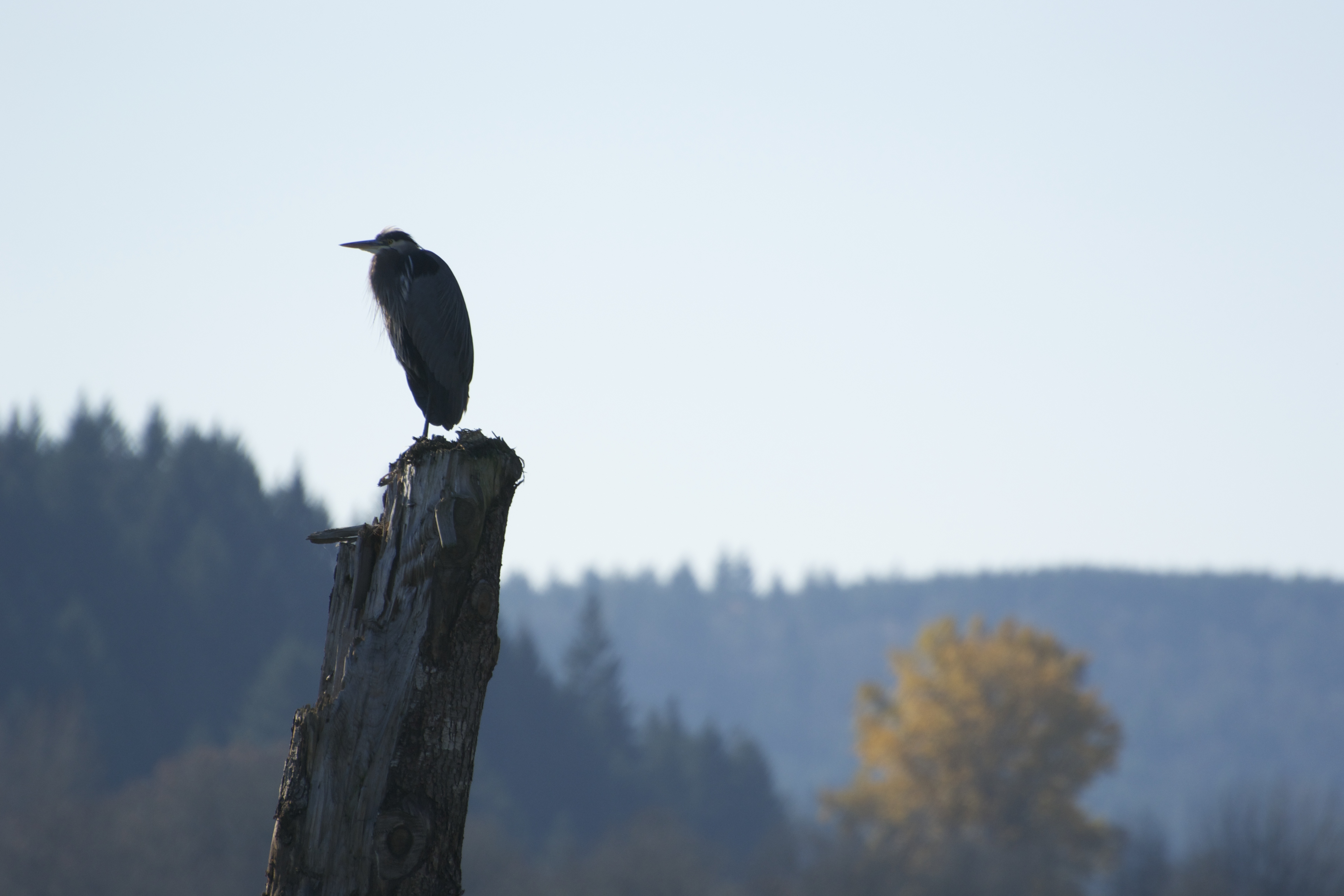
Herons

I have never seen a dying bird. Plenty of dead ones, mind, but never one at the very moment. Small mercies, I used to believe. That was before today’s poem came across my way, opening my eyes to the connection a small act of compassion can establish.

Or perhaps simply an act of seeing. Linda Hogan, the poet I chose for today, a member of the Chikasaw nation, and a volunteer and consultant for wildlife rehabilitation and endangered species programs, reminds us: “Between the human and all the rest / lies only an eyelid.”

(And before you worry, all images today are birds so very much alive.)

Hogan, author of several poetry collections, has published essays for the Nature Conservancy and Sierra Club, her honors and awards include fellowships from the National Endowment for the Arts and the Guggenheim Foundation, the Henry David Thoreau Prize for Nature Writing, a Lannan Literary Award for Poetry, and a Lifetime Achievement Award from the Native Writers Circle of the Americas. Her fiction was listed for the Pulitzer.

If you want to give yourself a gift or simply a lasting distraction from the current abysmal news, check out her volume Rounding the Human Corners. Barbara Kingsolver said:“Linda Hogan’s vision is breathtaking.” Who am I to argue.

The Heron

Linda Hogan

Herons are most elegant, until they open their beak – out comes the screechiest croak. it always makes me laugh. Music, then, shall be something to make us at least smile, if not laugh. I am thinking of Ligeti –

and this fun little Beethoven parody:

Techno-Birds

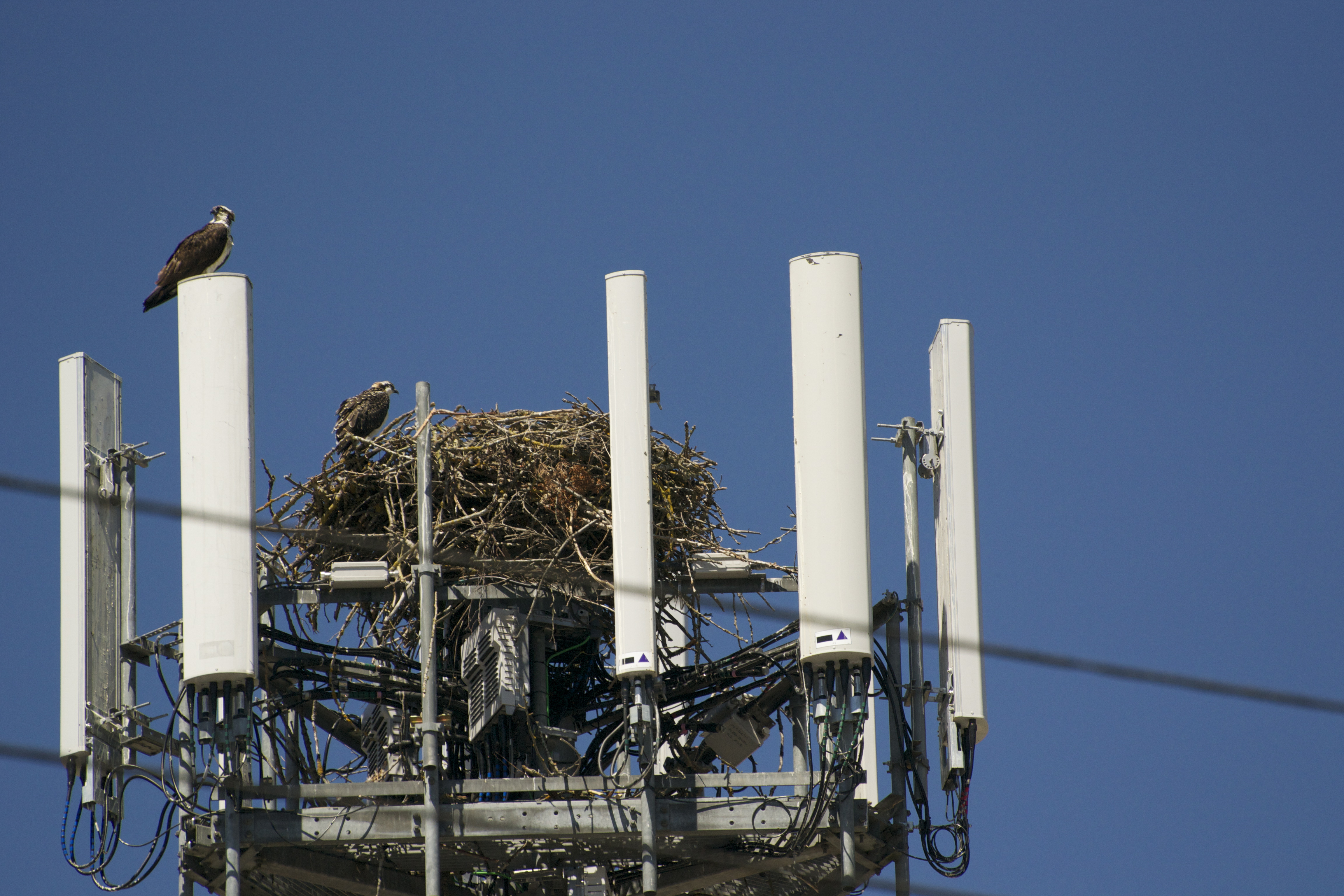
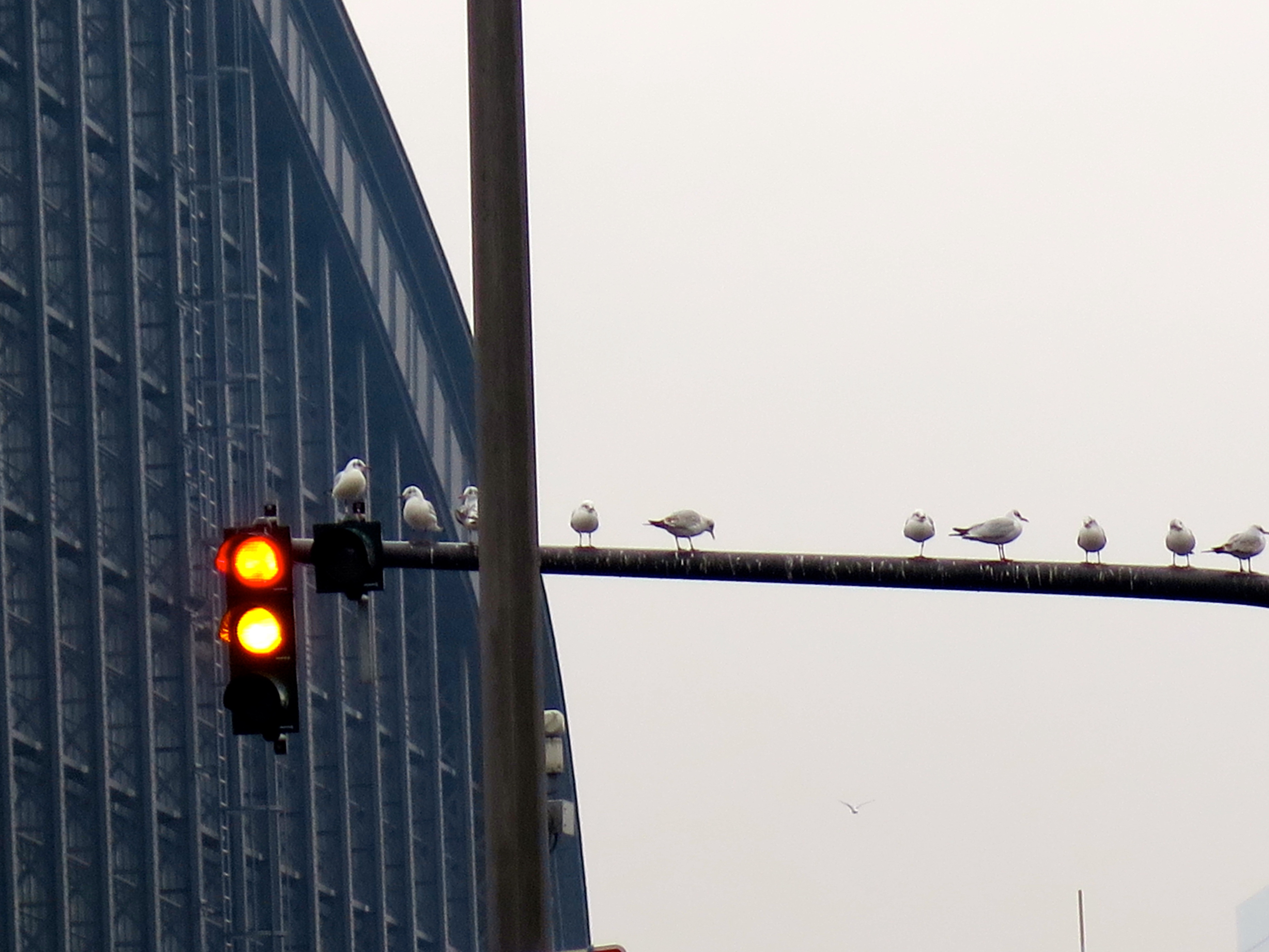
When looking for a poem that would fit with today’s bird images, I came across, just like earlier this week, yet another accomplished Australian poet I had never heard of. The poem is not exactly matching my goal which was to describe birds hanging out on infrastructure rather than trees. But it alludes to the fact that we take some things as common, if not vulgar, and delight in the unfamiliar, when “the truth is that nothing with you is common at all.”

That resonates deeply with my own approach to birds; the passion is not all about imagery of freedom or escape in flight, but also about their tenacity and ability to adapt to and thrive in altered environments. The more common birds excel at this, masters of survival in a world of stone and steel.

Not a Common Urban Bird

by Geoffrey Dutton  (1922 – 1998)

Birds do adapt, most cleverly so, but they might need a helping hand when living in noisy traffic – song birds change their tunes so that they can be heard over the din, but that means the tune loses attractiveness to potential mates….

What about music? Funny you ask. Recent experiments have cleverly exposed common urban birds to music and tried to figure out their preferences. Musical taste seems to vary, with Metallica’s heavy metal attracting more finches than sparrows. However, Debussy ruled, with more birds coming to the feeders set up with Pandorabird than when it played than when it when it was silent. Debussy it shall be! The Preludes, to make my Wednesday morning. Hopefully your’s as well.


That which awaits the photographer in pursuit of nature shots.

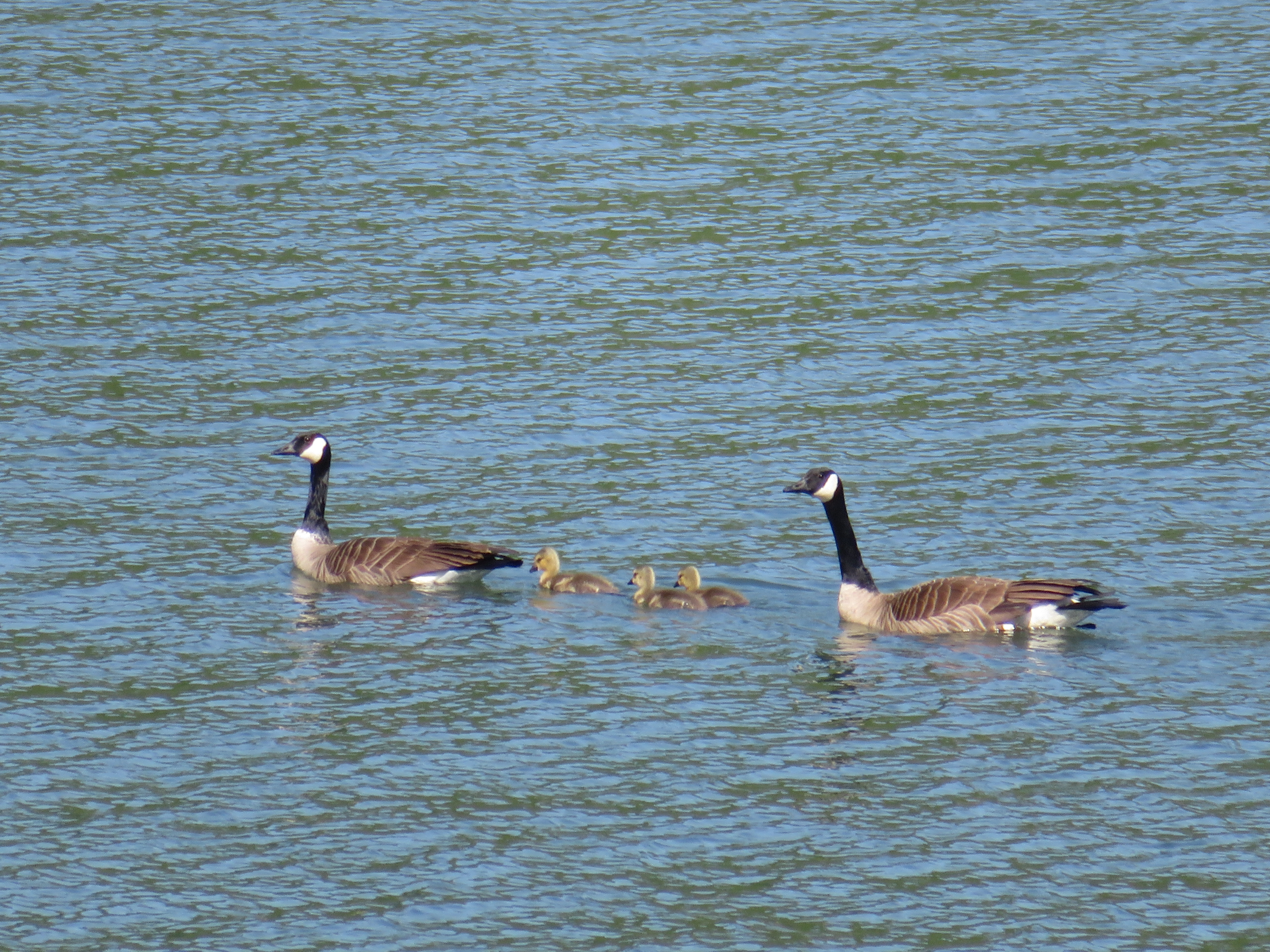
(Prompted by the current prominence of goslings.)

Shit List; Or Omnium-gatherum Of Diversity Into Unity

by A R Ammons

 You'll rejoice at how many kinds of shit there are:
gosling shit (which J.
 Williams said something
was as green as), fish shit (the generality), trout

shit, rainbow trout shit (for the nice), mullet shit,
sand dab shit, casual sloth shit, elephant shit
(awesome as process or payload), wildebeest shit,

horse shit (a favorite), caterpillar shit (so many dark
kinds, neatly pelleted as mint seed), baby rhinoceros
shit, splashy jaybird shit, mockingbird shit

(dive-bombed with the aim of song), robin shit that
oozes white down lawnchairs or down roots under roosts,
chicken shit and chicken mite shit, pelican shit, gannet

shit (wholesome guano), fly shit (periodic), cockatoo
shit, dog shit (past catalog or assimilation),
cricket shit, elk (high plains) shit, and

tiny scribbled little shrew shit, whale shit (what
a sight, deep assumption), mandril shit (blazing
blast off), weasel shit (wiles' waste), gazelle shit,
magpie shit (total protein), tiger shit (too acid
to contemplate), moral eel and manta ray shit, eerie
shark shit, earthworm shit (a soilure), crab shit,

wolf shit upon the germicidal ice, snake shit, giraffe
shit that accelerates, secretary bird shit, turtle
shit suspension invites, remora shit slightly in

advance of the shark shit, hornet shit (difficult to
assess), camel shit that slaps the ghastly dry
siliceous, frog shit, beetle shit, bat shit (the

marmoreal), contemptible cat shit, penguin shit,
hermit crab shit, prairie hen shit, cougar shit, eagle
shit (high totem stuff), buffalo shit (hardly less

lofty), otter shit, beaver shit (from the animal of
alluvial dreams)—a vast ordure is a broken down
cloaca—macaw shit, alligator shit (that floats the Nile

along), louse shit, macaque, koala, and coati shit,
antelope shit, chuck-will's-widow shit, alpaca shit
(very high stuff), gooney bird shit, chigger shit, bull

shit (the classic), caribou shit, rasbora, python, and
razorbill shit, scorpion shit, man shit, laswing
fly larva shit, chipmunk shit, other-worldly wallaby

shit, gopher shit (or broke), platypus shit, aardvark
shit, spider shit, kangaroo and peccary shit, guanaco
shit, dolphin shit, aphid shit, baboon shit (that leopards

induce), albatross shit, red-headed woodpecker (nine
inches long) shit, tern shit, hedgehog shit, panda shit,
seahorse shit, and the shit of the wasteful gallinule.

And here is another gosling, this time playing the Color Etudes by Phillip Ramey, gosling green comes to mind….

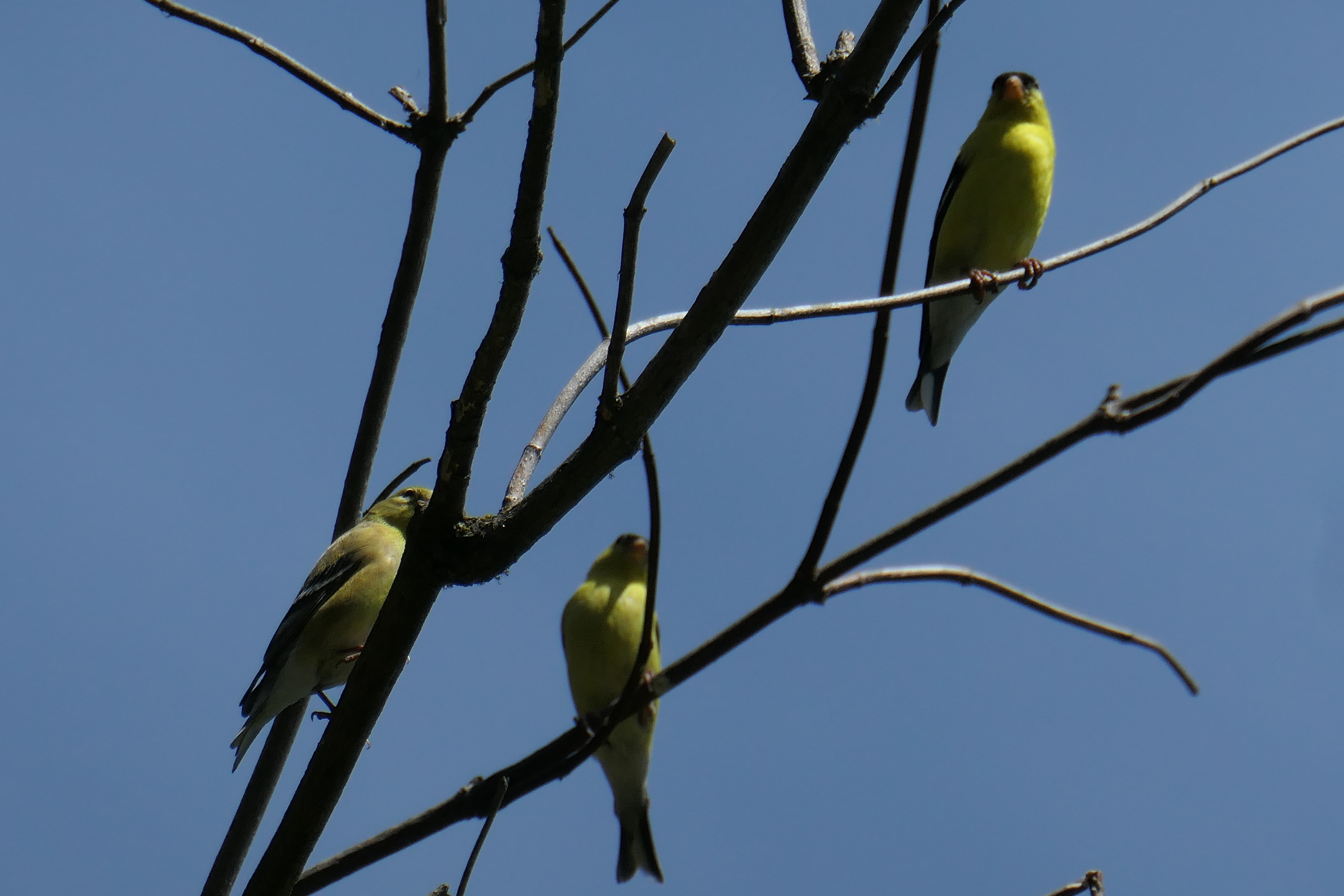
The Goldfinch

When dandelions star the fields
Another alien singer, I,
Nursed upon England’s flowery wealds,
Seeking no tithe of treasured yields,
dropp sudden from a summer sky
To where the spangled clearing spills
Its gold about your timbered hills.


A mite in splendid motley clad,
I mark the field, I know the hour
When choicest morsels may be had;
When blooms are gay, when days are glad,
And thistledown wafts in a shower
To dance and drift and disappear,
I, who was not, am with you here.


I cling beside the thistle head,
I dance about your cattle’s feet,
I revel in the banquet spread
By many a blazing yellow bed,
And feast until I am replete;
Then seek the house roof’s topmost tile
To linger yet a little while.


No ingrate I, no niggard churl 
Tho’ what I take you well may spare 
Ere azure skies have grown to pearl,
With many a grace-note, many a skirl,
I pay gold coin for golden fare,
And profer an abundant fee
In long sweet bursts of melody. 


Clarence Michael James Stanislaus Dennis(7 September 1876 – 22 June 1938 / Auburn, South Australia)

There’s Hope

Perhaps revolutions are not the train ride, but the human race grabbing for the emergency brake. Walter Benjamin

I want to think nothing but optimistic thoughts today, so the pride of place goes to the kids who organized #FridaysforFuture, #climatestrike.


I skipped “school” last Friday as well and went for an extended walk through bird territory, grateful for nature as we can still experience it.

Kestrel
Jay

Another reason for hope: The government of New Zealand is contemplating further and forceful restrictions in their gun laws after the Christchurch mosque massacre last Friday. https://www.vox.com/2019/3/15/18267093/new-zealand-gun-control-laws-christchurch-mosque-shooting

And finally: time travel exists, after all!!!

Well, sort of. In music. Or our understanding of music across time….. listen to Jeremy Denk’s newest album that covers 7 centuries of classical music, from c.1300-c.2000…….

The interview linked to below gives a glimpse into fascinating insights of how music evolved.

https://www.npr.org/sections/deceptivecadence/2019/03/16/703799425/jeremy-denks-musical-odyssey-through-7-centuries-of-music

Harrier Hawk

Red Tail

Here you can listen to one of my favorite Brahms’s intermezzos:

https://www.nonesuch.com/journal/listen-jeremy-denk-brahms-piece-forthcoming-album-c-1300-c-2000-2018-01-08

and a wonderfully annotated rendition of 2 Goldberg variations:

I know, today’s offerings are all over the map, but they all made me feel better. As did that walk on Friday at the Steigerwald Nature Preserve, with photographs to show for….

And birds who tried not to show at all..

Brown Creeper
Hairy Woodpecker

The Sparrow(s)

Sparrows seem to be a popular topic for poetry. From Catullus to Keats, Bill Collins to Charles Bukowski they appear as various symbols – with the added twist of many of these poets citing each other.

My choice for today, though, is a writer I introduced some time before – Paul Laurence Dunbar who was one of the first black poets to rise to national fame in the late 1800s. You’ll remember him from “When the caged bird sings….”

I was reminded this morning that the poem’s message to heed what is important is anything but trite or outdated. Ady Barkan, Yale Law School graduate and a fighter for social justice at the Center for Popular Democracy, is in hospital. I have followed his work for some time, unaware until recently that he is dying from ALS and writing basically with eye movement commands these days. In his early 30s, a few years older than my own sons and already a father.


The message this morning was personal compared to his usual politics: “If you have your health, I urge you to cherish it every day. Say thanks for it, and never take it for granted. Make the best use you can of your brief time on this earth. Do today what will make you proud tomorrow, proud on your deathbed.”

I find myself uttering it often, to myself and others, oh, think of what’s really important, carpe diem, etc. Writing about it today because I MEAN IT, and want to honor people who’ve been in environments of Jim Crow or on their deathbed having the strength to remind us all. Even we, perhaps privileged mortals all, can make significant choices. And we should.

End of sermon.

Here is Janequin’s Bird Song:https://www.youtube.com/watch?time_continue=51&v=x-dkdgzYZbQ

And here is the real thing: https://www.youtube.com/watch?v=wdaE7eaayKM

Photographs are from last Friday’s explosion of sparrows out in the sunshine: White crested, golden crested, house and song sparrows abounded.