Some years back I was invited by the Portland Art Museum to give a talk on the psychology of seeing in the context of its Rothko exhibit. Portland homeboy Rothko, color field Rothko, painter who makes people faint in front of his paintings Rothko. Unbelievably interesting and creative Rothko. Clearly his way with color created strong emotions in many viewers, and not just the elite who “knows art.”

Why might colors influence emotion? Part of the answer may be biological, so that for example colors that might indicate rot or decay might be hard wired into us as things to avoid or things that put us on alert. Part of the answer may involve learning, but it is learning that is inevitable in the natural world like bright sunshine makes bright colors possible but also raises the temperature, more or less guaranteeing that we come to associate those colors with heat and end up talking about warm colors. There are numerous studies showing how people respond emotionally to different colors. It seems that the color of a medicine capsule can influence whether people take their prescriptions meds on a regular basis or take them at all. Likewise, cool and warm colors affect our sensation of temperature and so people reliably set the temperature higher in a room painted blue compared to a room painted yellow. Sports teams are penalized more often when they are wearing black uniforms. And certainly many studies have shown that hair color, eye color and of course skin color influence how we react to people. Learned associations between the forces of light and the forces of darkness carry, unfortunately, over into all kinds of stereotyping.

So, colors do trigger reactions. However, the various color effects are embedded in a cultural context. For example the association of pink for girls and blue for boys is a modern development. A century ago red hues were associated with masculinity and blue with femininity in Europe, something you can see in fashions and surroundings. In western cultures white stands for purity while in Asian cultures it signifies mourning, and it is interesting to notice that these cultural convention are picked up very early in life.
What does all this then imply for Rothko? Some of the emotion effects, especially for the late paintings, are straight forward. He is using dark, somber colors, and I have already suggested that these may be tied to emotions for biological reasons or because of inevitable learning. It will be safe to assume that the darker colors towards the end of his life will be perceived to be sadder (independent of our knowledge about the artist’s own psychological state at that point in time) than the earlier, lighter work. Browns and greys and blacks, as we mentioned, might be associated with decay and danger, not just by learning but by some biological hard wiring
Mostly, though, I believe Rothko, in a sense, under – stimulates the eye. This leads you to respond by adding, wandering, exploring, associating. When you are then struck by the impact of these associations you’re likely to ask yourself: wo/man, where did that come from? And if you have nothing but strong color in front of your eye, it’s plausible that you assume that you must be reacting to the colors themselves. In this way, the emotional reaction is real, but the idea that it is caused by color may just be a mistake.
Color can delight and depress. In vision, however, it has the primary function to help us to detect and discriminate between objects that have survival value. I would therefor be cautious about strong claims of color causing emotional changes by and of themselves. This takes nothing away from the astonishing beauty of these paintings.

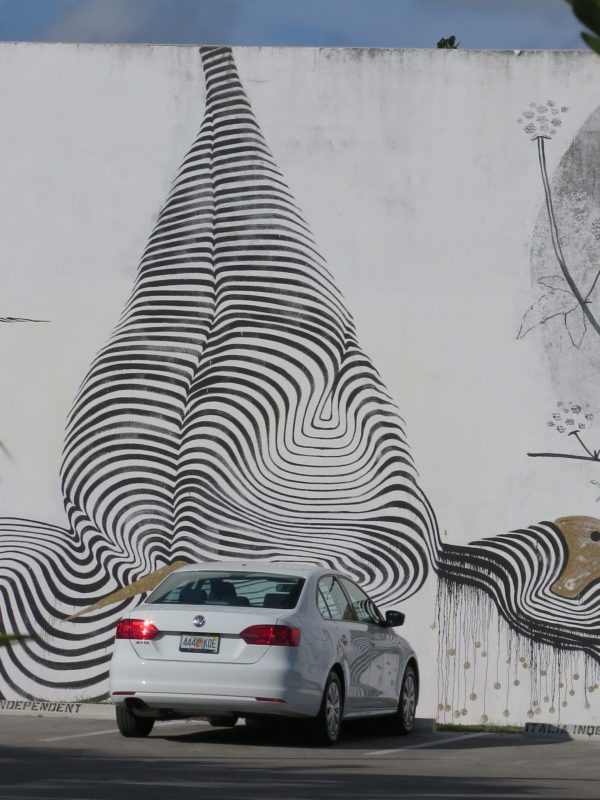

 Futurists were fascinated by tempo




 Photo: Camilo Brau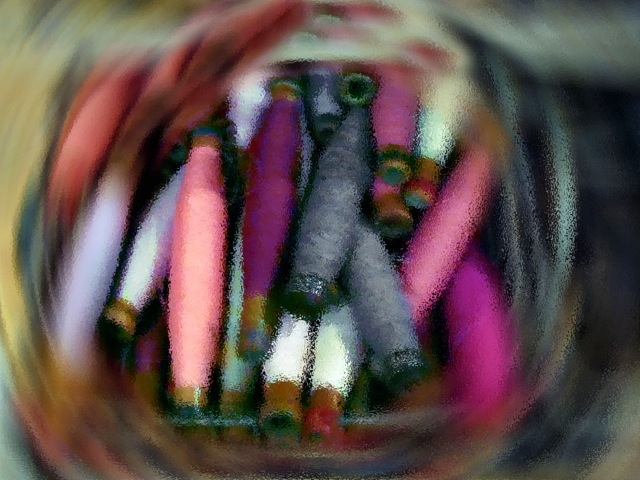

 We know, of course, that people have a tendency to beautify and structure their environments. Yarn bombers are a case in point. They knit and crochet their merry ways across the landscape – sometimes creating beautiful work that really brightens the sidewalks, sometimes annoying public artists because their metal sculptures regularly end up with scarves…. (the oldest of the street knitters being 104 years old.


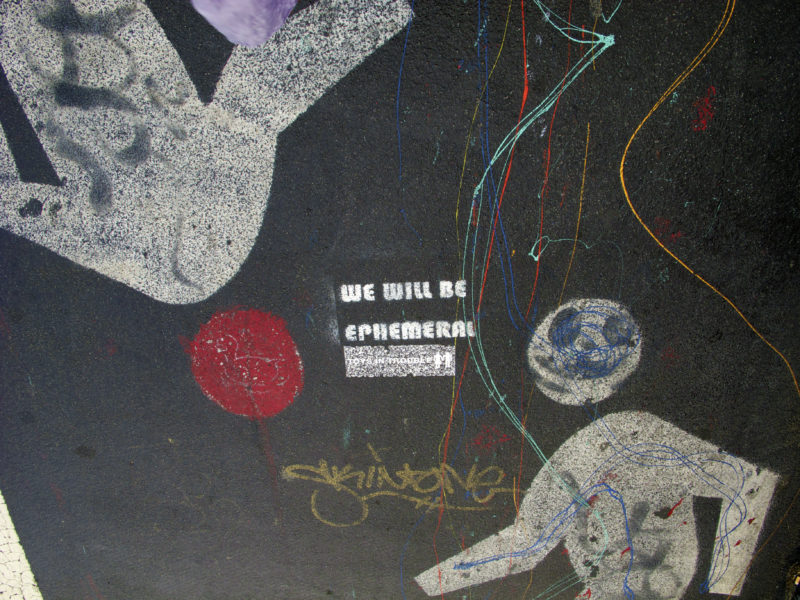

 There are whole empires of these free ports, from Luxembourg to Singapore, allowing art to be un-seen. Why on earth, you might ask? The answer is of course: money. And I am not just talking about hedge funds, derivatives or futures applied to art collection. Rather, art out of view is the perfect way to launder dirty money since there is no transparency.


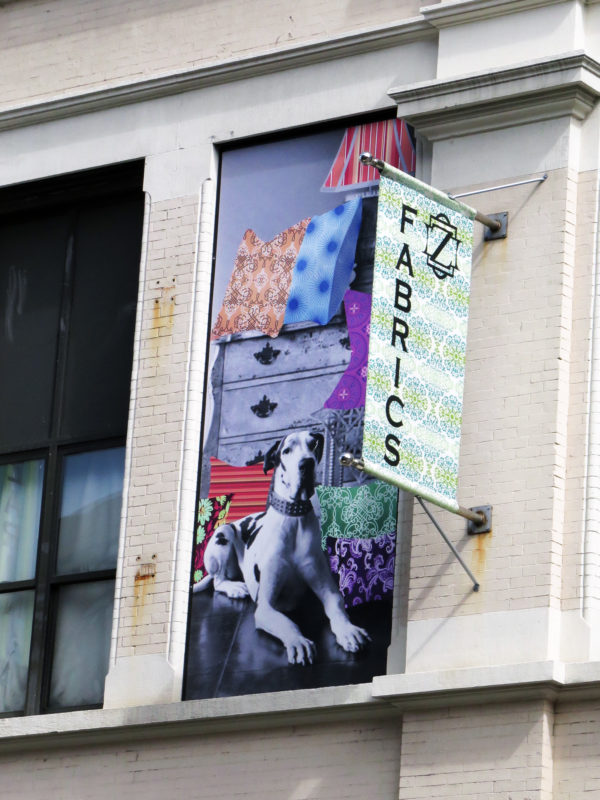


 Look at the materials needed – look at the size of the Reichstag that he wrapped – not likely he walked into the Michaels Crafts Emporium and said give me some 55,000 m2 of silver-grey shiny polyester fabric and 23 km of rope (which is exactly what the used to wrap a winter landscape of trees in Basel, Switzerland.) I have never seen one of these artworks in real life, but admired when I heard him in an interview how he simply refers to the pleasure and joy art can transmit without having to have deeper meaning. They always mention that the materials are recycled after the project is taken down (some criticism has always attacked the size of their endeavors) but I have yet to figure out what sources they use. Definitely not these: This Lower Eastside fabric outlet, there for generations, sold part of its building on Grant St. last year to some bank for $25.6 million – I guess upholstery didn’t pay the rent with Ikea in town….


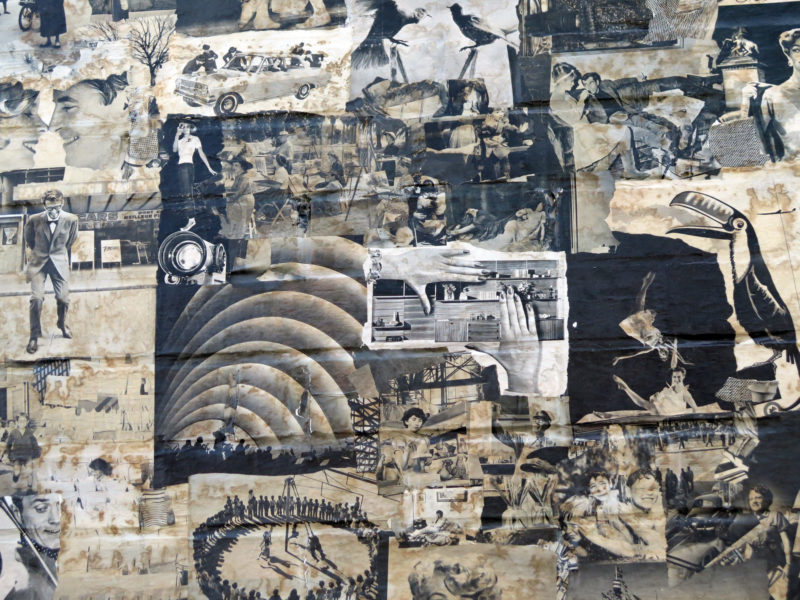

 My pick of all of them is Hannah Höch, one of the pioneers of photomontage, a member of the Dadaist movement (although not recognized, maybe even edged out, until the lat 1960s when her works started to appear regularly in major retrospectives.) Two years ago her works were shown in Great Britain by the Whitechapel Gallery – here is a review of her and her art.