Browsing Category

Nature

Thoughts for the New Year.

· German elections in the state of Saxony Anhalt ·
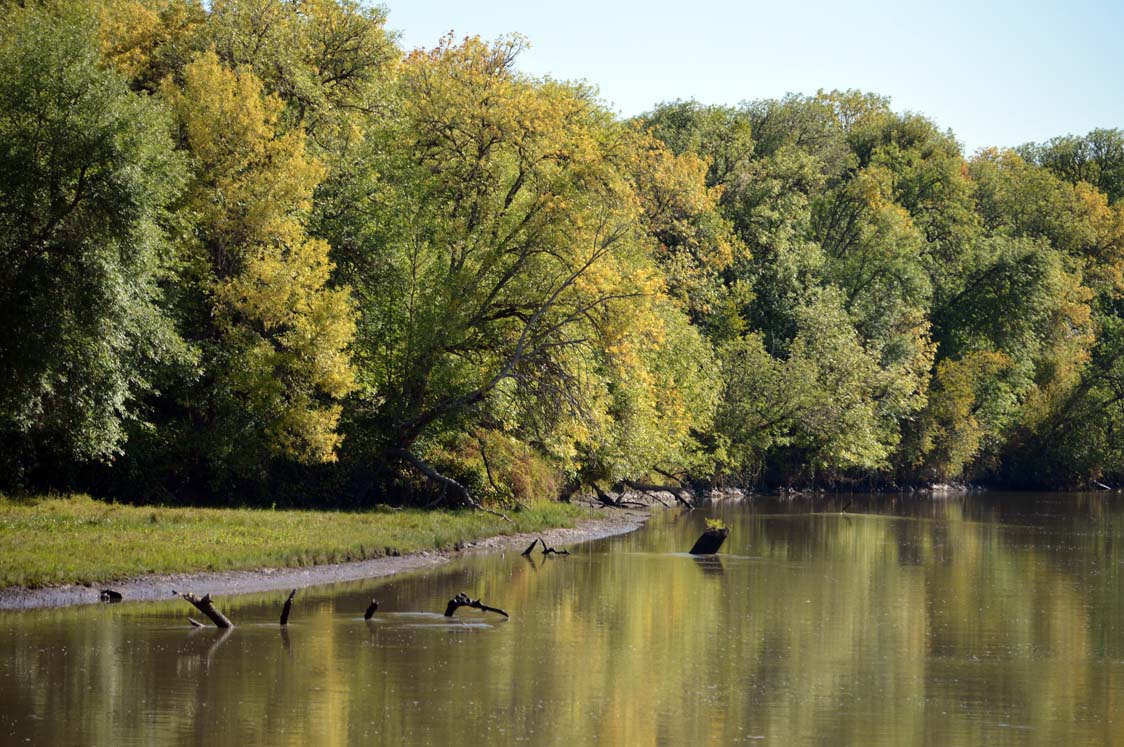
Walk with me. It is still a warm day, but the trees are tinged with yellow.

The path meanders along a small channel, a tributary to the Willamette river.

Occasionally it veers off into the woods,

where trees chose to air out their roots,

or, better still, hug themselves.

The water is quiet, and extremely low.

Eventually I reach what is supposed to be a lake, but now only mud flats after this dry summer. I am thinking about the Jewish New Year that starts for us tomorrow. About the joys that the last year brought, the challenges, the losses, all making my personal life rich and complicated at once. Nothing but gratitude for that. Add to that sorrow for a world at the brink, with wars, natural catastrophes, potential dangers from technologies, anti-science policies, racist policing and vigilante violence all vying for first place in the destruction game.

I spook an osprey, it’s flying away, catching my eye, before I turn to the view up North.

Mount St. Helens is in glorious view, with some pelicans parked in front of it, echoing the white of the snow cap. Hard to square this peaceful view with the violent eruption of this volcano in 1980.  57 people were killed and 200 homes, 47 bridges, 15 miles (24 km) of railways, and 185 miles (298 km) of highway were destroyed. A massive debris avalanche, triggered by a magnitude 5.1 earthquake, caused a lateral eruption. I did not live in Portland then, but know people who to this day tell stories of the ashes covering their gardens, 57 miles to the South.

I can’t help but think about how we know there is danger around, but can’t predict when it becomes lethal. How we remember situations that were unspeakably destructive (particularly if there are still eyewitnesses around to tell the story) and yet we blindly ignore the signs that they are likely on repeat. In fact, through our willful ignorance or indifference make them more likely to occur again.

I am, of course, thinking about the fall of the fire wall against fascism, an event that happened in a German state election 5 days ago, with the help of over half a million people voting for a a party that is extremely right wing, infused with Nazi ideology and personell connections to actual neo-Nazi organizations. An election victory happily praised by the US President, the Vice President and Elon Musk, who has been shaping and guiding the Alternative for Germany (AfD) for several years now. It is a party that preaches hate, pursues the removal of long fought-for rights of many different populations, is willing to undermine the constitution, and showered citizens with promises that are all but impossible to keep. It achieved 44% of the vote and will be able to govern if only three more people jump ship in the five remaining other parties, and join the extremists.

Since around 2010 they built a movement embracing the grievances and siege mentality of East Germans (and now those in the West as well) who felt betrayed by the government, worried about the economy, fearful of crime, at a loss with the speed that technology unfolded, likely to threaten an already precarious status quo. Add to that a sense of betrayal that they believed to be treated as second class citizens by their Western counterparts, who swooped in and took what wasn’t nailed down after the fall of the actual wall.

Never mind the facts: crime rates in Saxony-Anhalt went down by 46% across the last ten years. Unemployment decreased by over 7%. Net income rose by 137%. Life expectancy rose by 5 years, overall. The percentage of non-German in the state is around 7%. Also the facts, for balanced reporting: rents have increased, education is getting worse, mass transportation, particularly the railway, is in a sad state and infrastructure is crumbling. The conservative national government is threatening to reduce many of the welfare state offerings everyone was used to, wants to increase the retirement age and is spending massive amounts on re-armament instead, in view of the belligerent threats of an Eastern neighbor.

As always, when fears grow, and insecurity festers, people who offer simple solutions for complex problems seem to score. They do so particularly if anger and resentment against a current government and an ever widening gap between the rich and everyone else, is not met with open ears, willingness to listen, or, most importantly, alternative proposals that have more realistic ways of implementation and tackle the rich rather than squeezing out more from the middle- and working class. There is a lot of rage around, and it has been ignored.

The AfD swooped in with promises, including visions of decreased rent and increased wages, and neighborhood emptied of “faces that don’t belong.” The party has two wings, an economic one and an ideologically extremist one. The first one takes care of the rich Germans, the other takes care of a German Reich. (The German version, by social critic and author Francesco Garita) is a clever wordplay: Der eine Flügel kümmert sich um reiche Deutsche, der andere um das Deutsche Reich.) Their economic policies align with oligarchs (see their support from Musk or, it is reported, Putin) – they want to increase free market competition, weaken the welfare state and deregulate big business. They discuss a departure from the EU, a return to a national currency, thus endangering the European project as a whole.

Their political wing provides convenient enemies to create in-group/outgroup cohesion and division, respectively, stoking hatred and existing prejudices in the population. Refugees, migrants, queer people, the poor, even women, all serve as scape goats and reminders that the fear of status loss is justified. The party stands for a revival of the hierarchies of the past, particularly for men. Men with German blood – as they publicly proclaim. They promise nationalism instead of justice, revenge instead of integration, authoritarian shortcuts instead of democracy. Importantly, they revive racist concepts of the past, allowing many people to voice them freely, or through permanent dogwhistles, be it agains Jews or Muslims, or Blacks. (It has only been a few years since a synagogue was attacked and two people killed in Halle, the second largest city in Saxony Anhalt. Even after this hate crime the local administration has been complaining about the cost for protecting the synagogue. They will be left on their own under the new regime.)

One of the main AfD promises are acts of “Remigration” – throwing people out of the country regardless of their immigration status. Something in other contexts more familiarly known as ethnic cleansing. Not mentioned: the annual cost of migration is around 50 million Euros. Migrants contribute about 706 million Euros to the economy – 14 times the cost and about 1/6 of the total gross domestic product. The current Chancellor, Merz, the biggest loser of these state elections, now accuses the AfD of unconstitutional moves. I will not get into the details of how much his party has bend to the populist right and normalized their programs, debating them over and over in “civilized settings”, making them socially acceptable, moving the Overton window to the right – or my head will explode.

***

On my walks, I saw egrets lining up, catching some warmth in the sun.

They reminded me of school children, standing in line, waiting to be called up in gym class or some such. Kids, then, shall be an example for a typical AfD program to bring us back to a brown past. (And in case you think associations to Nazis are far fetched – a legal opinion by the Society for Civil Liberties (Gesellschaft Für Freiheitsrechte) sees good chances of a successful AfD ban procedure before the Federal Constitutional Court. The report comes to the “clear conclusion that the AfD is unconstitutional, “showing parallels to national socialistic, racist ideology and programs. (The Society for Civil Liberties is a non-profit association founded in 2015 and based in Berlin. It aims to achieve the preservation and expansion of fundamental and human rights through strategic litigation. The GFF was founded as an association of lawyers and Internet politicians and cooperates with other non-governmental organizations in its lawsuits.)

Kids:

  • The AfD in Saxony Anhalt wants to do away with the general obligation to attend public or accredited private school and allow anyone to homeschool without any supervisory control.
  • Children of immigrants and refugees are to be separated from “German” children into different schools where they are to be “prepared for repatriation.” They want this even for kids who were born in Germany and/or have lived in the country for many years.
  • Kids living with disabilities are no longer to be mainstreamed. They are to be educated in special schools, isolated from the public schools. The quality of that education is of course likely to be different, and smart kids, perhaps wheelchair bound, will not have a chance to unfold their intellectual potential. (This is, by the way, illegal according to United Nation conventions for people with disabilities….)

AfD: we protect your (blond) children (with Hitler Gruss, if necessary, just look at the arms!)

Mt. Adams visible, still on my list of places I have to visit.

Nature tries to divert my visions of “brown” (even though the AfD chose light blue as their trademark color, claiming it symbolizes a new beginning…). Green, green, green nature shouts – and the occasional egret decides to move on, suggesting I’d do the same.

Tiny little asters everywhere. I try to absorb the beauty of it all, calming my nerves so rattled by what’s happening in the world.

Let us not be discouraged, withdraw, shut up – or they have won.

There is still much left for us to cherish on a daily basis, here, now, filling us with strength and determination.

L’Shanah Tovah – Happy New Year 5787

(My first act in the new year shall be to remind you all to deliver your ballots to a collection box, vote early. Just vote and drop it in the box! It would be negligent to entrust them to the post office!!!!)

Music today is an album by Hourloupe, Last Lost Words. I still have a few words left…..
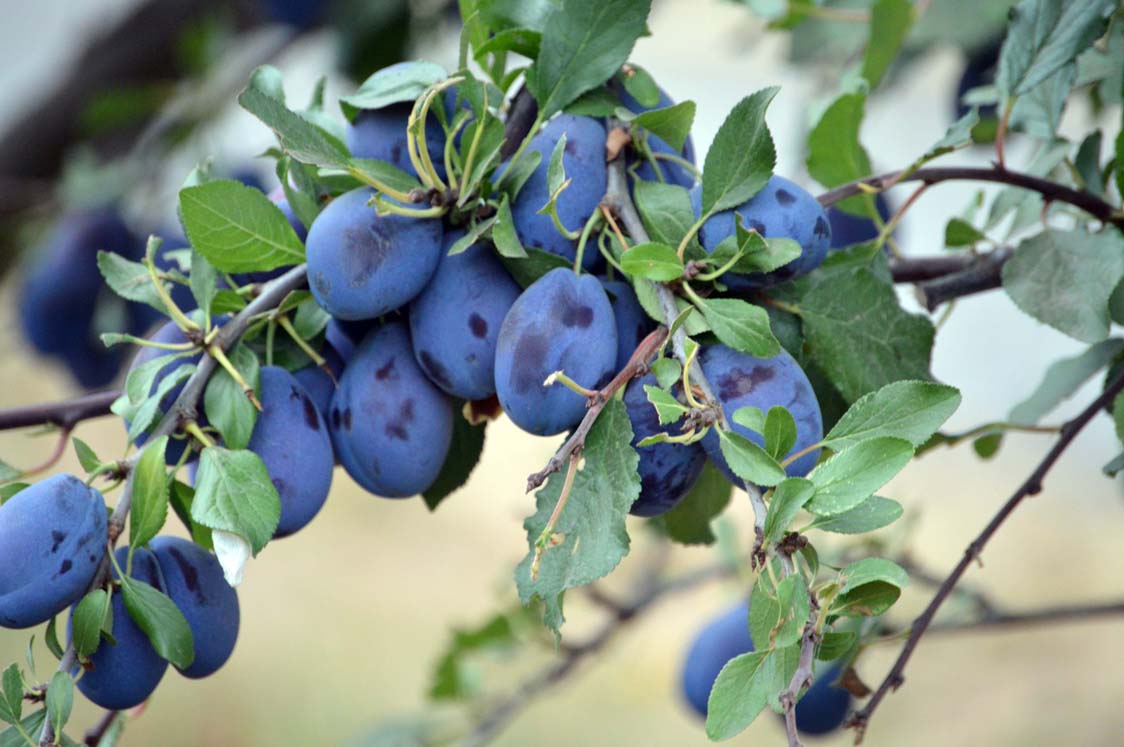
Plums

We went plum picking this week before the rains set in. An afternoon as good as it gets – with a happy three-year old bouncing around the orchard,

a happy baker filling her bags with ripe, juicy fruit,

a happy photographer relishing saturated colors, happy bees and wasps providing constant noise in the background, late summer sounds.

Some of the fruit trees not so happy, alas, the heavy load ripping branches right off the stem. What got flung into the nearby grass looked like late season Easter eggs.

Plums are one of the earliest fruit domesticated by humans, over 2000 years ago in both China and Eastern Europe. They can be dried and thus kept for lean times. Both fresh and dried plums have enormous nutritional value and are helpful for digestion. They are filled with antioxidants which helps combat inflammation in the body and also protects against cancer. They contain quercetin, a type of polyphenol that can improve heart health and brain function related to memory. They are also packed with potassium which helps bone health. A study of postmenopausal women who had prunes in their daily diet found lower rates of bone loss and improved overall bone health. Plums against osteoporosis! They do contain a lot of sugar, but apparently also a chemical that prevents sugar spikes in your blood.

And, of course, their beauty provided models for painter throughout the ages, as you can see below.

Lest you think I have changed and stick to the happy stuff – here are some thoughts that occurred to me after our outing, elicited by an article in Vox that I’ll summarize below.

The urge to eat locally produced food – and what is more local than U-pick farms? – has increased, given the many food-borne illnesses we have witnessed blossoming under the Trump Administration. There isn’t a day where there is not another food recall. Since May, the United States has seen more than 17,000 lab-confirmed cyclosporiasis cases, likely a huge undercount of what is happening in the general population. People have died from listeria infection brought on by cottage cheese, salmonella outbreaks originated in eggs and jalapeños. Frozen blueberries have been contaminated with e-coli, leading to highest warning level recall last week. Alfalfa sprout sickened people, contaminated with salmonella AND e-coli.

There are several factors contributing to these outbreaks, not just the administration’s decision to sharply curtail its ability to monitor for and respond to these outbreaks. Between the FDA and the US Department of Agriculture, which also oversees food safety, and several related agencies, more than 11,000 workers have been lost.  The CDC, which helps respond to outbreaks once they start, has lost about a quarter of its workforce from January 2025 to October 2025. The federal government also shut down several national monitoring programs for foodborne illness in 2025—including for the cyclospora parasite specifically. The state and local agencies that surveil for and respond to food outbreaks have also faced staff cuts because they depend on the federal government for their funding. 

The more general factors for the increase in illnesses we are seeing, are related to climate change, however, and the fact that we rely on globalized food chains. Warming temperatures across the globe increase humidity which helps both salmonella and e coli to thrive. Cyclospora has historically been found in subtropical climates, but now it grows inside the US as well. With warmer temperatures in more northern regions, it is likely to become epidemic here.

In addition, “the sometimes international trip from the farm to the store for a bagged salad kit offers multiple moments for potential contamination, including tainted irrigation water, local wildlife excrement, and poor storage practices, making it possible for dangerous pathogens to take hold before a person even buys their groceries.”

Carefully choose where you get your lettuce from, then, and buy full heads. Better still, get your vitamins with grilled vegetables, with heat putting an end to the offensive buggers. Best: live on prunes! Oh, I wish we could.

Jacob van Hulsdonk Still life with grapes, apricots and plums 17th Century


William Henry Hunt (1790 – 1864) Plums Date unknown by me

HENRY ARCHIBALD MAJOR Plums 1883


Jean-Simeon Chardin Still Life with Plums (1730)

Louise Moillon Still Life with Plums 17th Century

Unknown Early 20th century

Sasja Wagenaar Plums (2022)

Postcard from Provence

Music today is by Dvorak, celebrating natural beauty.

Unbidden Memories.

It’s funny how memory works. Even those of us who have studied and researched the mechanisms of remembering for decades, can be hit over the head by factors that trigger certain memories when we least expect it.

Yesterday was one such occasion. I was out on a walk through the wetlands, dried out and dusty for the most part. Noticing a lot of white.

White thistle down.

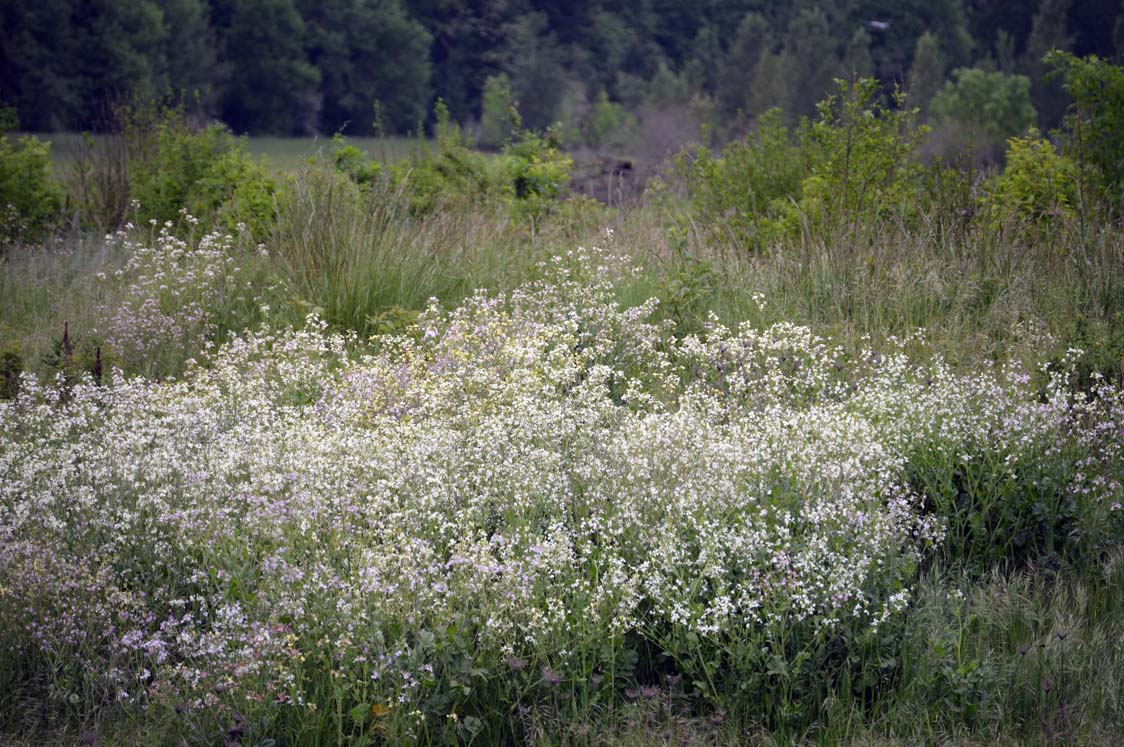
Meadows filled with white Queen Anne’s Lace, wilting with the drought.

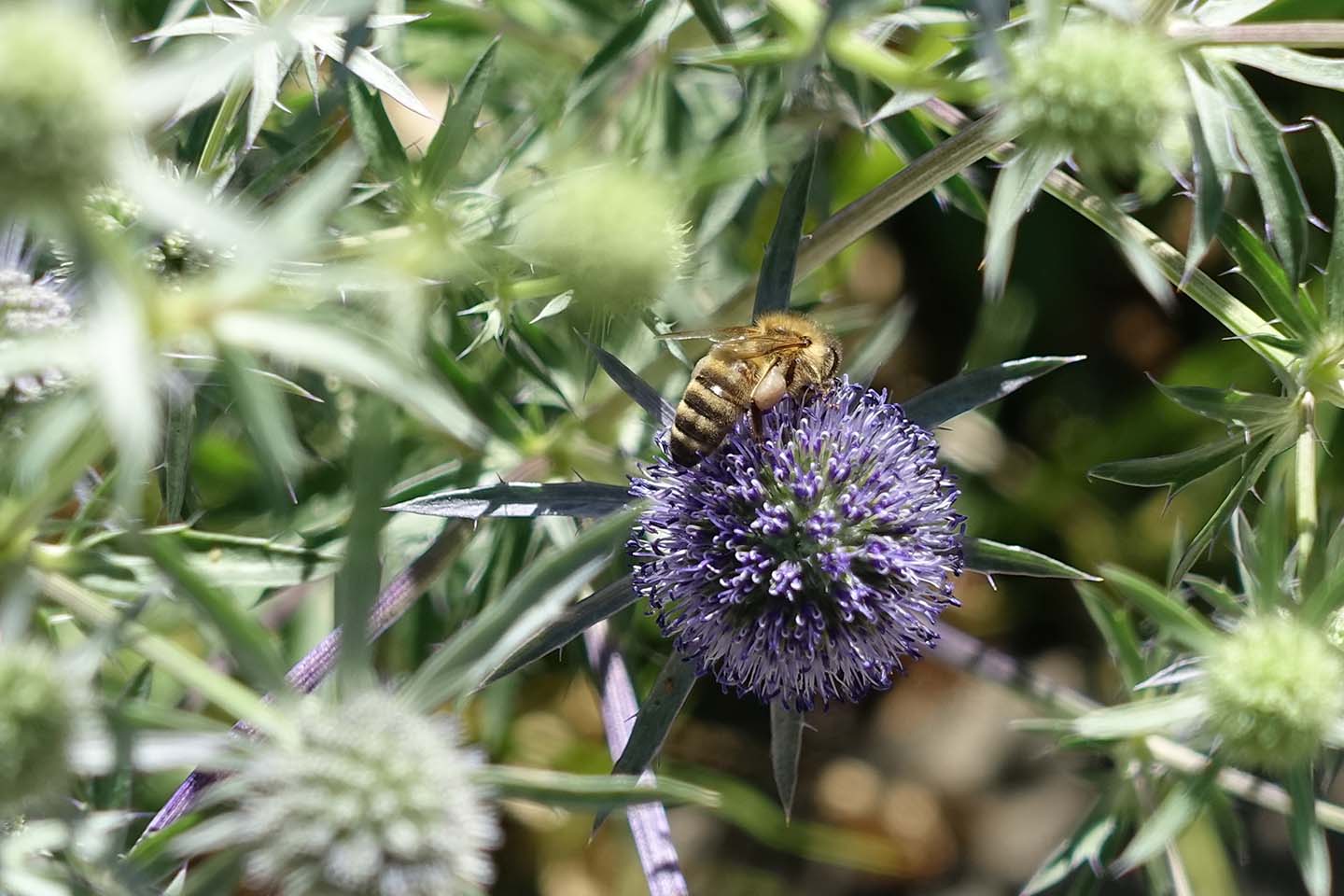
White candle-shaped weeds, rimming the path and attracting the bees.

Horse chamomile,

bindweed,

dandelions.

And, just around the corner, some egrets preening, in the last pond holding some water.

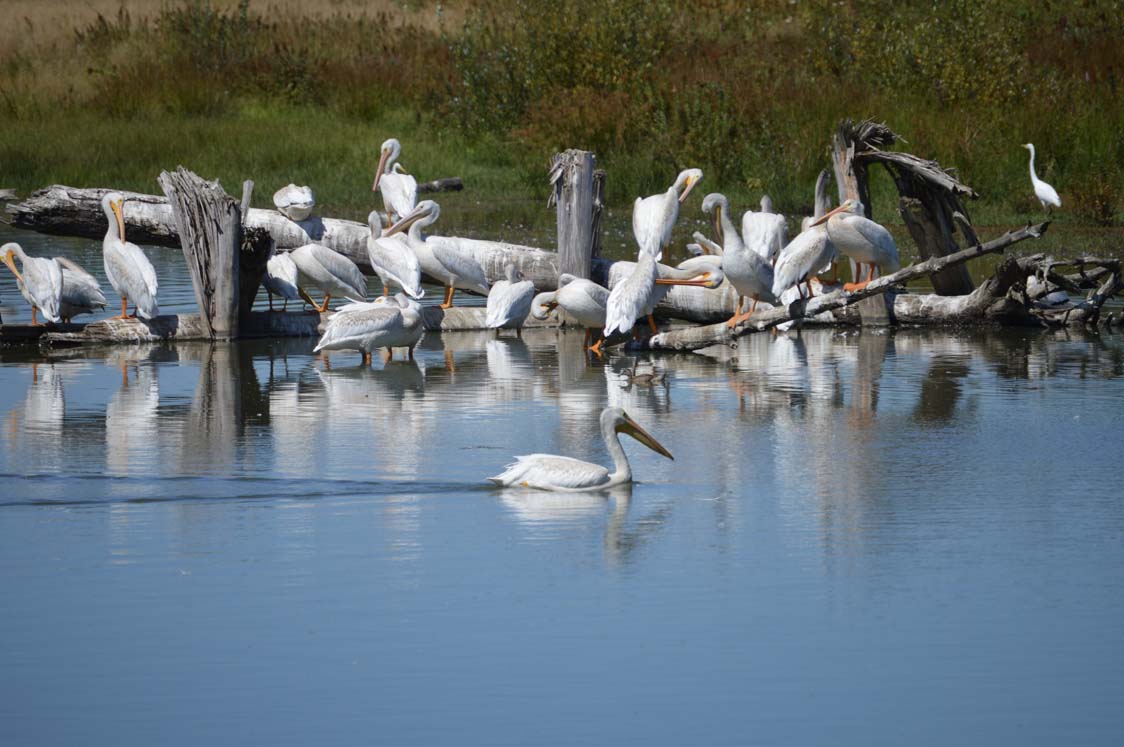
A pond visited by a fleet of pelicans, glaringly white, elegant, and beautiful against the sunlit landscape.

I suddenly remembered hearing about a white dress, made of silk. When I finally arrived in Germany a few days after my mom’s sudden, unexpected death, I was told that she had bought it recently and raved about it. They found it in her closet and put it on her for the coffin. Why did my mother, then in her 50ies, buy a silk dress in November? White, no less? She was never much into clothes (in contrast to her daughters) and usually seen in utilitarian dress that could endure her gardening passion, ready to touch dirt.

Why did a friend of her’s know about purchases, although she, too, had no idea about the reason for this fancy? Why were they told what kind of funeral my mom desired, when I wasn’t? A funeral as unbefitting for a gardener as one can imagine – ashes thrown into the sea. At the time, hot dismay competed with the icy numbness of the sudden grief. The anger of a child (albeit a grown one) of realizing the independence of a mother, vast parts unknowable from now on. And that was before I found instructions in a letter addressed to me, to destroy a cache of letters and papers unread – instructions that I honored.

Seeing white on my walk triggered an emotional memory, but it was grief that led to the specific remembrance of another time of mourning. Grief for my friend who recently died, mourning for a beloved mother, missed since 1983. There were multiple sources – the color, the current feeling – spreading activation to a node that called up an associated memory.

There are a lot of people dear to me who are currently in mourning. I wish I could convey that being triggered by environmental or state-dependent cues will never stop, but the quality of the emotional reaction will. I still miss my mother, 43 years hence, but I now think about that mysterious white dress with pleasure, happy that she was willing to spend on herself, grab some beauty. I think of all the love and connectivity she left me with, rather than fuming about what I wasn’t afforded. I think about the “gift” of her early death in the sense that I learned as a young person that grief will not hurt intensely forever, and so have an easier time now, knowing current pain WILL abate.

White is the color of mourning in multiple cultures; apparently Western aristocracy, Mary Queen of Scots and Queen Victoria among them, adopted it both as mourning dress, and parts of her funeral, respectively. In Eastern religions white symbolizes hope and rebirth.

Yesterday, all I saw was brilliant white, or dainty, translucent white, or the white of strong feathers of birds at rest during migration. Nature. Impervious to feeling itself, but making me feel strongly.

Grateful for memories, but more grateful for being surrounded by brightness in the here and now, reminding me that there is light at the end of the tunnel.

Music today by Ravel.

Why is small never enough?

The weather has made it possible, nay, required, to be out and about lot. Last week I went on several walks, one of which was meant to visit the birds but I encountered an explosion of wildflowers instead.

Nothing particularly special – everything particularly beautiful in its unassuming presence.

Which had me thinking again about how artists portray flowers, from the early botanical sketches that served as tools for learning about the plants of the world and their function,

to the symbolism contained in medieval paintings or Victorian floriography, speculations about the secret meaning of flowers.

You can see it in the pre-raphaelites painters: Lawrence Alma-Tadema, for example, rendered the tragic tale of Emperor Heliogabalus watching his guests suffocate under a shower of rose petals (in the old story they happened to be violets – death by flower, who knew….). The artist chose the species specifically for its association with corruption and death, but the subject, I wager, for the ability to paint something big….

Lawrence Alma-Tadema The Roses of Heliogabalus (1888)

It seems to be never enough to just depict a simple flower as is, in an attempt to convey the sense of joy it inspires, hanging out in the meadows, at the forest borders, in modern times as well.

Photographers choose particular flowers that lend themselves to an emphasis of form, stark contrast, like Imogen Cunningham’s calla lilies or magnolia blossoms, abstracting an essence. If they do photograph less defined flora, they often apply post processing filters to give the image a mysterious hue.

Imogen Cunningham Two calla lilies (1920)

Edward Weston Purple leaved flower

20th/21st century painters go big – man, everyone always goes big these days, abstracting the plants or unifying them to the point of un-recognizability.

Real daisy meadow…

Takashi Murakami Field of Smiling Flowers, 2010

And then there are the installations using actual floral parts, either collected over time, or grown into absurd topiaries…. again, nothing won’t do unless humongous. (I was introduced to this work by an article asking: why did Jeff Koons make a giant puppy? I, too, wonder about that…)

Jeff Koons Giant Puppy (1992 to present )

Even one of my favorite contemporary artists focussed on nature joins the trend (I will write about him and his work one of these days in full).

herman de vries 108 pound rosa damascena at the 2015 Biennale Dutch Pavilion

Don’t get me wrong – there is a meaningful place for large works, no doubt. An important place. But the tendency to use subjects that are small and make them big in either size or accumulation seems to imply that that is the locus of awe – when really it should be felt when you encounter the miniature version indefatigably sprucing up the landscape under natural, often adverse conditions.

I fear that the preoccupation with spectacle really leads to a withering of our ability to detect, appreciate and protect what is small. Just like wildflowers being classified as “weeds” had to make room for more showy varieties, or blossoming meadows were replaced by spectacular lawns, truthful depictions of something unassuming gains no attention when placed next to artificial elevation of a subject.

Give me a tiny aster anytime…. and give me depictions in a format that I can take home, hang on the wall, enjoy every day as a reminder of the reality of beauty in the world, and my role as its steward.

Here is a sampling of what I saw:

Music today echoing some happiness.

The Blog That Wasn’t.

Yesterday, the plan had been to write about various ways to reform the Supreme Court after the disastrous partisan decision making of the last years, usurping legislative power without accountability to the people. There are more, and interesting, suggestions beyond the proposals to enlarge the court or to limit the years of tenure in the wake of eviscerating the Voting Rights Act. But I found it too depressing to think that that the political will is too weak for radical restructuring. It would also require election majorities that are right now uncertain given the election interference and manipulations, by, among others, the very Court we are talking about. I could not stomach it.

Give me some green.

All I wanted to do was walk for so long that fatigue would overtake worried thinking. Walk I did.

Marvel, too. It was just too beautiful. Flowering everywhere.

Romantic vistas.

Water like marbled paper.

Birds not far behind.

Including a bald eagle that landed smack in front of me, checked out what’s for breakfast, and then swooped away to find more optimal hunting grounds.

So, all the content you get today, is pictures. And a reminder to be careful with language when you detect invasive plants on your walks or in your garden. Here is what I read from the Center for Plants and Culture, on of my favorite websites ever. ( Text copied below since I want to walk walk walk again today as well):

“Plants are not inherently invasive. They can become problematic when introduced into ecosystems—particularly when human activity alters those ecosystems in ways that favor spread and impact. Therefore, calling a plant an “invader” doesn’t just misplace the blame—it can also shift attention away from the human conditions that created the problem in the first place.

Music today is appropriately Brahm’s Spring Quintett.

Just when you were feeling fine….

Finally!

Walk with me, back to our old haunts, Oak Island in full spring regalia.

Before you can even appreciate the views, another sense is stimulated: clouds of sweet hawthorn blossom-scent waft across the meadows. So many of those trees in bloom, predominantly white, but a few pink ones sprinkled in here or there.

The oak trees are leafing out, some of the fresh leaves still uncoated by the least amount of dust. They reflect the light, shining golden green.

Colors are intensified by a grayish sky, providing a terrific contrast effect.

Dog roses embrace trees.

Cherries are already setting fruit, but otherwise blossoms everywhere.

Some old apple trees,

and friends,

and myriad wild flowers, Camassia Quamash among them sprinkling the grass with sky blue.

And of course hawthorn everywhere, sometimes veering on pink.

The waters are still, the occasional carp jumping, robin unperturbed by the splashes in the water.

The woods had a fairy tale quality, including rings nourished by cow droppings.

Heart singing. That was Tuesday.

Maybe just stick with the photographs.

________________________________________________________________________________________

I feel so thoroughly gutted by Wednesday’s Supreme Court decision eviscerating what was left of the Voting Rights act, that I don’t have it in me to write much until my rage settles. I will link to a couple of smart pieces, though, that will lay out what we are now facing without too much jargon or getting into the legal nitty gritty.

Here is a gift link to Adam Server in The Atlantic.

Here is Leah Litman, one of the most astute court observers.

Here is the Brennan Center for Justice.

And here is an NYT timeline of the Voting Rights Act.

It didn’t take 24 hours for the fallout to emerge: Mississippi and Alabama announce that they will eliminate their Black majority districts. Louisiana is literally suspending their primaries to draw more racist maps. The legacy of MLK Jr., John Lewis and so many others who fought for and paid a bloody price for the ability to vote and be fairly represented all down the drain courtesy of the Roberts Court. With the most disingenuous rationale, they are ushering in a period of drastic reduction in minority representation in the name of equal protection. Perverse.

I am just floored. Although not surprised.


Music is self explanatory…..
_________________________________________________________________________________________

Some things to bring potential cheer towards the end of the week:

There is a closing reception for the photo exhibition “Lloyd Center Journal”, at the gallery of PLACE, 735 NW 18th Ave at Johnson St. Regular Viewing Hours: M-F, 10-6. If you are in town this Friday, 5/1, you are invited to the Closing Reception from 5:30-7:30 pm, with Artist Talk (Horatio Law at 6pm), and guest speakers Tanya Gossard of Slabtown Tours and Norm Gholston of Architecture Heritage Center (6:15pm) on the history and architecture of Lloyd Center. (Quick reminder: this Friday we are called not to shop or work as a form of protest against what is raining down on this nation.)

On Saturday is the opening reception at the Columbia Gorge Museum for Indelicate, a new show of works around women’s roles in service to a society that wanted them stay at home. Featured are actress, writer and artist Jessalyn Maguire, and Sonia Kasparian, fashion designer and artist from Season 17 of “Project Runway. I have not yet seen the exhibition but look forward to exploring it at a later point.

May 02, 2026, 6:00 PM – 8:00 PM

Columbia Gorge Museum, 990 SW Rock Creek Dr, Stevenson, WA 98648, USA

On the Road home.

1100 kilometers on the road in the car by myself. A lot of time to think, and a lot of occasions to stop, stretch my legs and feel awe for the beauty around me.

At this time of year, central California is a riot of color, before the drab of drought sets in. Blossoming oleander lining the median of the highway, fruit trees in bloom, and every where the brilliance of mustard plants. Their yellow against the blue mountains on the horizon reminded me of the war in Ukraine, with another spring under assault, no end in sight. The impunity of those declaring war, the suffering of those forced into it, betrayed even by former allies.

Fire towers everywhere. Birds were searching for grubs, meadows in yellow and purple, again the color combination forcing me to think eastwards. Enough, I decided, let’s get distracted by some surely apolitical site, an abbey built by and for Cistercian monks. Hah! Leave it to me to find the politics there as well….

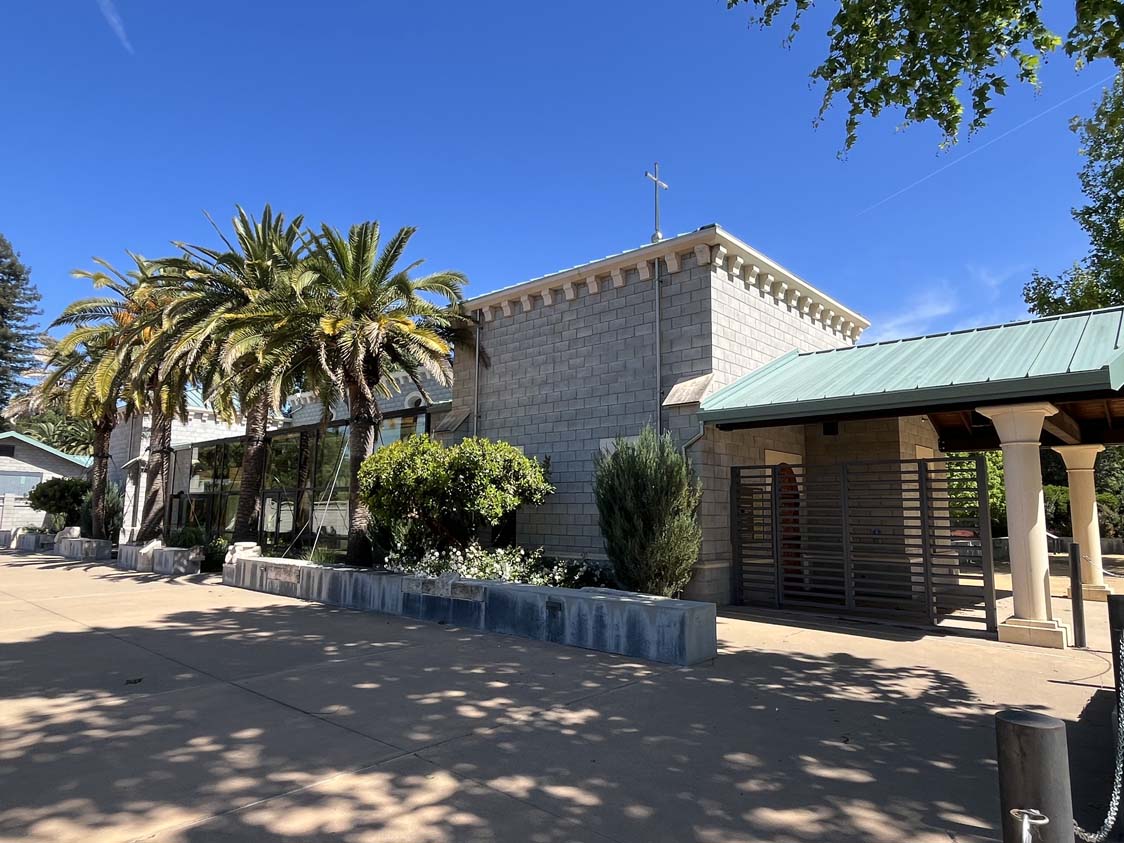
The Abbey of our Lady of New Clairvaux is located in Vina, California. The small hamlet is close to I-5, and attracts thousands of visitors annually mostly because of the New Clairvaux winery operated by the monks. I did not visit the winery, but drove through the vineyards and beautifully planted and maintained grounds up to the church nearby.

The visitor is greeted by a sculpture outside the church doors that signals strong “Take the baby, Joseph, I’m late for my shift!” vibes. Just kidding, it is of course a representation of a savior offered to the world, beautifully rendered. Surprised me, though, since the core tenet of Trappist monks, as I understood it, was to pray in surrounds bereft of ornamentation, stained glass and sculptures included.

It turned out that you can only enter the church between 2:30 pm and 5:00 pm, the only time not devoted to different chapters of prayer service. But seeing it from the outside was worthwhile the detour, once I learned the history of its construction.

In 1955, Father Thomas Davis, abbot of the newly-founded abbey of our Lady of New Clairvaux, noticed piles of stones in San Francisco’s Golden Gate park, which turned out to be the original building blocks of the Cistercian Monastery of Santa Maria De Ovila located in Trillo, Spain. The abbey had been abandoned for over 150 years and at times used as animal shelter. (I’ll get to how they got there in a minute.) After much historical research, documentation and architectural planning, the stones were brought by 19 trucks to Vina and used for restoring the abbey in the 1990s.

About 60% of the stones could be salvaged. A quarry in Texas delivered what more was needed for the building, and to reinforce the structural integrity of the original stones, which were made in 1181, architects used concrete blocks. That also checked the requirement to be earthquake proof. I obviously missed seeing the ancient stones on the inside, given the visiting hours, but some of the remaining ones are incorporated into the landscape outside the building, much to the photographer’s delight. You can read more about the specifics and the general philosophy behind Cistercian architecture here.

How did the original cloister stones get to San Francisco? A tax-evading millionaire, of course…

It turns out, William Randolph Hearst had shipped the stones from Spain to incorporate into his estate in Wyntoon, in the remote Siskiyou mountains in Northern California. He believed these historical elements would sufficiently reflect his wealth and taste for the extraordinary. It cost him $97.000 in 1925 to buy the monastery, shipped to San Francisco after dismantling in 1931. They were given to the city as tax abatement. Who cares about historic artifacts, spiritual ones no less, dumped into the maintenance grounds of a park….

Cue the “loot or buy up foreign artifacts and antiquities” debate? Not today.

The politics I want to circle back to are written up perfectly by Noah Hawley in a terrific essay in The Atlantic: WHAT I LEARNED ABOUT BILLIONAIRES AT JEFF BEZOS’S PRIVATE RETREAT – For the richest men on Earth, everything is free and nothing matters. (I tried to set it up as a gift link – free to read. If it isn’t working, let me know.) It analyzes the historical developments of impunity for the rich. Here is the concluding paragraph to whet your appetite.

“The world has always been run by rich men. The robber barons of the Gilded Age were known for their ruthlessness in the accumulation of wealth—hiring Pinkertons to shoot striking unionists. But they directly engaged with the world around them, using their wealth and power to muscle it into its most profitable form. And although today’s billionaires are clearly manipulating society to maximize their own profit, something else is also happening—a disassociation from the reality of cause and effect, from meaning and history. These men no longer feel the need to change the world in order to succeed, because their success is guaranteed, no matter what happens to the rest of us.”

I am back home now, tired, happy. Spring has arrived in Oregon as well. Soon we’ll walk together through familiar haunts! First I need to sleep for a week or two, though….

Music today is sung my Trappist monks.


The Gall….

Merriam-Webster definitions:

– Nerve/Effrontery// Bile//something bitter to endure//bitterness of spirit : Rancor// an abnormal outgrowth of plant tissue usually due to insect or mite parasites or fungi and sometimes forming an important source of tannin see gall wasp illustration//a skin sore caused by chronic irritation// a cause or state of exasperation.

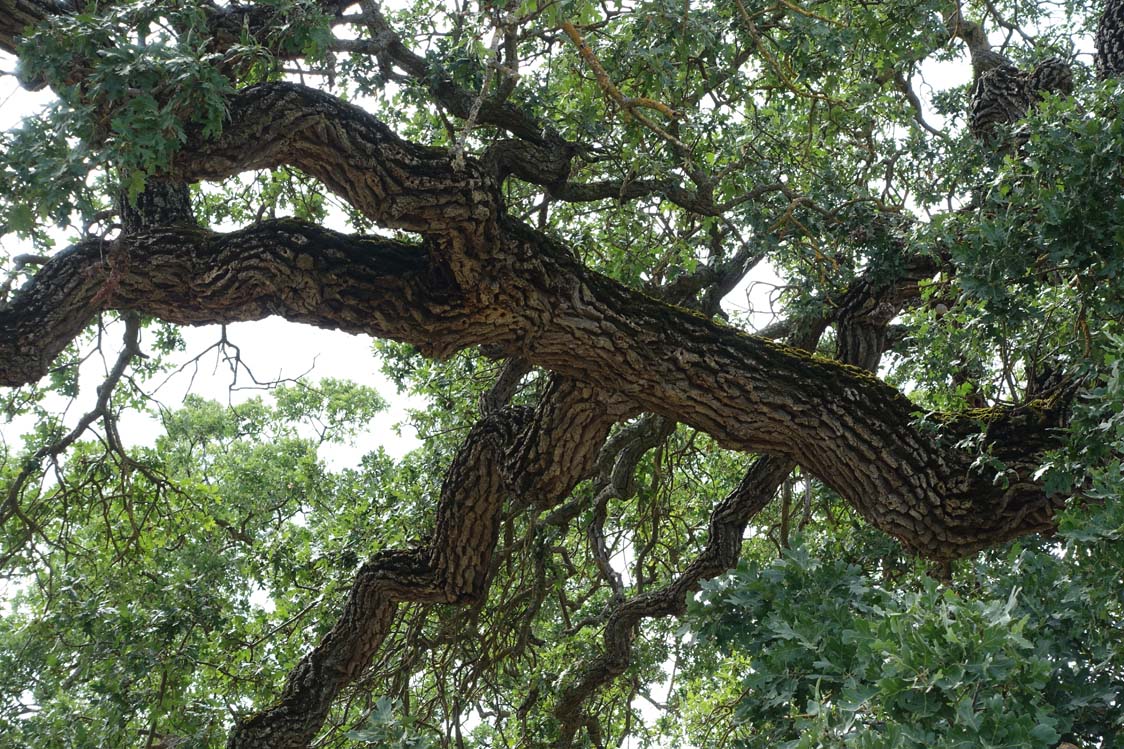
Last weekend a severe rain storm hit the Bay area. I found large numbers of oak galls under the trees during subsequent walks. The Diablo Mountain range is full of healthy oaks, not yet hit by oak wilt, the fungal disease ravaging the eastern parts of the US.

The funny, apple-like appendages you see on oak trees during spring and summer,

and then on the ground later in the season, are actually small temporary homes of wasps.

These tiny wasps use certain chemicals mimicking growth hormone to induce growth on the leaves and branches of oak trees, reminiscent of tumors, but not really harmful. There are many species of these gall wasps (800 in the US alone), and they all produce different kinds of galls, often on the very same tree.

The larvae use the galls for shelter and food, and eventually the fully formed wasps bore holes into the wall through which they emerge. Their reproduction is pretty nifty, too:

“Many species have alternating generations, meaning all of the adults emerging from galls during one time of the year are female-only, while the adults emerging in a different season have both males and females. Most species have females that can reproduce using parthenogenesis when they emerge by themselves. This means that their eggs are essentially clones of themselves. What’s more, some species appear not to have any males at all.” (Ref.)

The galls sustain a large ecosystem of birds and ground mammals, but also had their benefits for humans. People have used them to make indelible ink for more than 1400 years. If you squash the pulp of galls and add iron sulfate ((FeSO4) and mix in a binder, usually gum arabic, you get a grey ink that will eventually darken to a purplish black. Use was widespread, and often specified by law: Great Britain and France specified the content of iron gall ink for all royal and legal records to ensure permanence. The United States Postal Service had its own official recipe that was to be used in all post office branches for the use of their customers. In Germany the use of special blue or black urkunden- oder dokumentenechte Tinte or documentary use permanent inks is required in notariellen Urkunden (Civil law notary legal instruments) (I am told by Wikipedia).

I’d rather think about the beauty of those structures, here on my last day in California. And the poetic response they elicit, with so many subtle meanings of the term added, the bitterness of bile, the gall to spit out endless vitriol…

GALL

Those from Aleppo were bitterest, 
yielding the vividest ink. More permanent
than lampblack or bistre, and at first pale grey,
it darkened, upon exposure, 
to the exact shade of rain-pregnant clouds, 
since somewhere in the prehistory of ink 
is reproduction: a gall-wasp’s nursery, 
deliberate worm at the oak apple’s heart. 
We knew the recipe by heart for centuries:
we unlettered, tongueless, with hair of ash, 
the slattern at the pestle, the bad daughter. 
But all who made marks on parchment or paper
dipped their pens in gall, in vitriol; even 
the mildest of words like mellow fruitfulness,
of supplication like all I endeavour end 
decay equally in time with bare, barren, sterile;
the pages corroding along all their script  
like a trail of ash (there is beauty in this)
as the apple of Sodom, the gall, turned
in the hand from gold into ashes and smoke.

by CAITRÍONA O’REILLY

Here is another “girl’s lament“, a poem by Schiller set in an oak forest, intoned by Schubert.

In America, there are no kings.

At least that’s the assumption. To make sure it stays that way, you might want to add your voice to the chorus. Tomorrow, 3/28, is another day of planned marches and gatherings. You can read up on what it’s all about here, and find a convenient location near you here.

I will be out under sunny California skies, with blooms wherever you look and the occasional bluebird visiting. One might forget for a minute that we are bombarding other countries, spreading death and destruction. Then again, making our voices heard against the policies of the day might be a good reminder of what we stand for and/or fight against.

The next day we can resume our usual daily walk again – oak leaves still in soft green, grasses blossoming.

Bees on ubiquitous lavender in front yards,

and flowering bushes and trees everywhere.

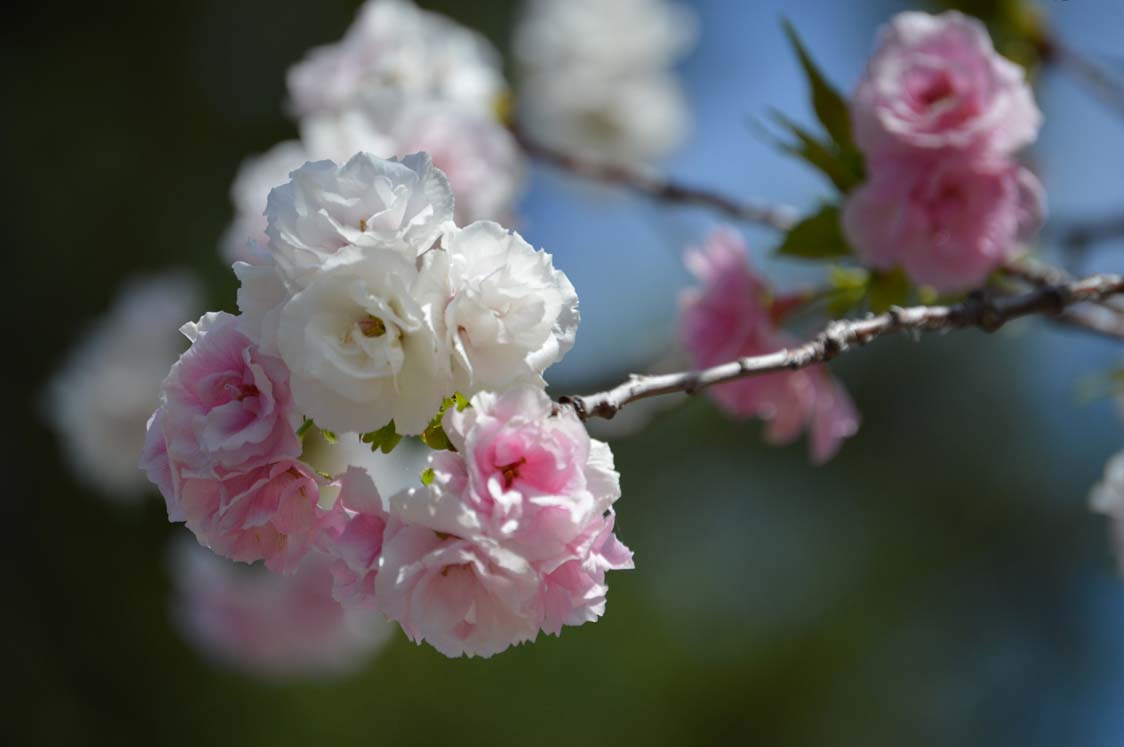
Cherry and plum blossoms almost gone. The early heat wave here contributed to that.

So much beauty. So much to preserve.

Music from a duo new to me.