Browsing Category

Climate Change

Things to be grateful for: Activism

In no particular order I am going to applaud movements carried by young people this year.  Youth has always had a major role in fostering societal change – think the Civil Rights Movement, the Vietnam Protests, the Arab Spring, Tiananmen Square. Movements that try to tackle the big issues of our time, from climate catastrophe, environmental destruction to the danger from the ubiquity of automatic and other weapons are carried by American youth here and now as well.

There is Sunrise –  a movement to stop climate change. These are kids, basically, pursuing a #greennewdeal.

https://www.sunrisemovement.org/who-we-are/

Then there are the Parkland survivors, who just yesterday received the International Kids’ Peace Award presented by Bishop Desmond Tutu for their organizing the March for our Lives to prevent further gun violence. Independent of how effective they are in fighting gun producers and sellers, their efforts to organize the youth vote have been phenomenally successful. Youth vote in early voting alone surge by 188% over the 2014 midterms.

https://thehill.com/blogs/blog-briefing-room/news/417714-desmond-tutu-awards-parkland-survivors-international-childrens

Then there are the many activists (not all of them young, as it turns out) who defend our environment against industrial assault, with leadership from many indigenous people, and with courageous lawyers by their side. I am thinking, as just on example, of the Minnesota Valve turners, a group of people willing to go to prison in order to protest pipelines and all the threats that resource extraction entail for our climate.

https://www.wired.com/story/monkeywrenching-vandals-are-reinventing-climate-activism/

Above is a link to an article that outlines what people have tried to do and what defenses they are trying to use in court regarding their actions: among them the necessity defense, which states that when all legal and political means are exhausted it might be necessary to engage in non-violent illegal action to prevent irreversible harm.

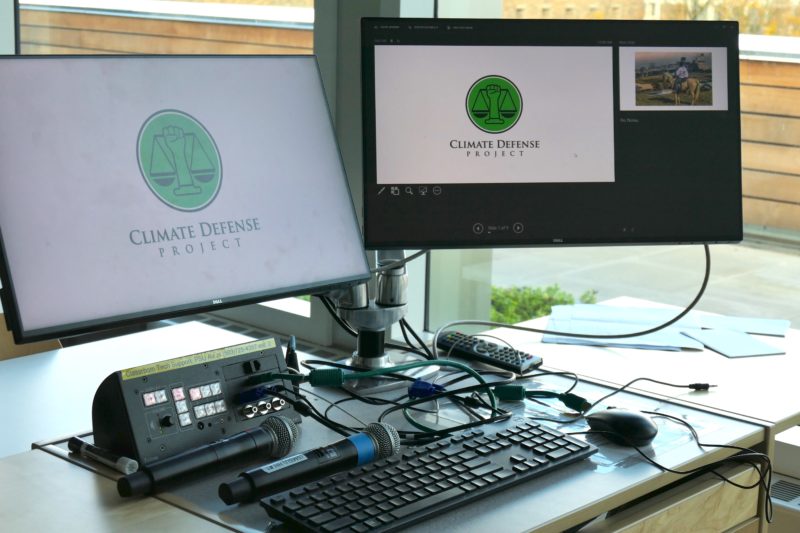
Below is the trailer, close to my heart, to a documentary in the making – Necessity –  that follows some of these activists and the folks from the Climate Defense Project who provide legal support.

To learn more about the film and how it can be supported you can go to the website.

https://www.necessitythemovie.com

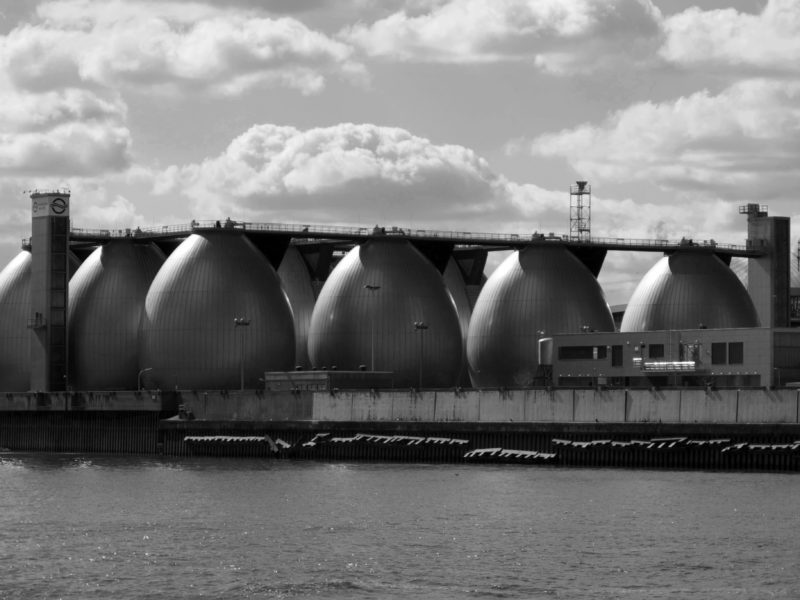
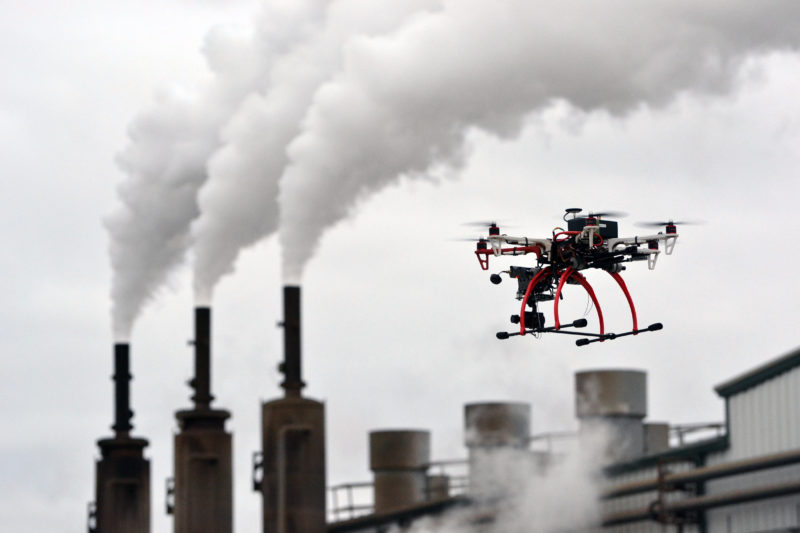
Photographs shown today were taken at various industrial sites and at PSU 2 weeks back when Kelsey Skaggs, mentioned in the article above, gave a talk about the CDP (I did a bit of production photography for the documentary.)

Much gratitude, then, for all the folks out there in the front lines, taking enormous risks and exposing themselves to attacks in order to do what’s right. They instill a sense of hope, plain and simple, which is a lot after what 2018 has provided so far….


Things to be grateful for: Nature

With Thanksgiving coming up, I will devote this week’s musings to things I am grateful for.

As so often, that puts nature in first place, particularly the nature that surrounds me where I live, a place of astounding beauty.


That is true even if – or perhaps particularly if – you can’t see it very well, since in November it is often shrouded in mist.

I now know to call it mist, since I looked up the difference in definition between mist and fog: they both are ‘Obscurity in the surface layers of the atmosphere, which is caused by a suspension of water droplets’. They differ, though, in the range of visibility: By international agreement (particularly for aviation purposes) fog is the name given to resulting visibility less than 1 km, however the term in forecasts for the public generally relates to visibility less than 180 m. Mist simply has a lower density of water droplets and you can look farther than 1000 meters.


And in case you also want to know the meaning of haze, another visual phenomenon: it is a suspension of extremely small, dry particles in the air (not water droplets) which are invisible to the naked eye, but sufficient to give the air an opalescent appearance.

All this, of course, stands in benevolent contrast to the horrors of air pollution and smog created by the fires in California. https://www.nytimes.com/2018/11/16/us/air-quality-california.html

From the article: The precise biological mechanics of how people develop chronic lung problems, while not fully flushed out, lie at the intersection of two seemingly disparate scientific areas, immunology and environmental study.

Immune cells that respond to foreign particles douse the particles with toxins, among other tactics, to destroy them. But an intense event like extremely poor air quality can prompt such a strong immune response that it can throw the body’s delicate network out of balance, particularly in people predisposed to asthma or allergy.A vicious cycle can begin where each time a person experiences even small, related stress — like smoke — the body overreacts, leading to constricted air flow and intensifying the risk of heart attack and stroke for some people.

Researchers say that climate change leads to this kind of ill health through wildfire, but also through prolonged pollen seasons, dust storms and other events that affect air quality.“We’re setting up a tipping point in the immune system that leads to more inflammation and disease,” said Dr. Sharon Chinthrajah, a pulmonologist and allergist at Stanford, speaking of the way climate change has put increased pressure on human defenses. “California,” she added, “is being reset to a new reality.”


Grateful, then, for these election winners to tackle climate change, air and water quality, and persuading others in congress to sign on:

https://insideclimatenews.org/news/12112018/election-congress-climate-change-environment-activists-osasio-cortez-casten-tlaib-escobar-levin


And the swans are grateful that they aren’t turkeys…


Action Request

What can I do?

We can’t end the fossil fuel age without bold government policy  and the active cooperation of business. But “regular people” are anything but powerless.

As a consumer, you can make a difference by reducing  your carbon footprint. As a citizen, you can use your voice inside and outside the voting booth. For instance, citizens are pressing cities, universities, and pension funds to publicly declare themselves fossil-free and divest from the industry.

The number of energy cooperatives founded by people who’ve decided to take matters into their own hands is rising fast. And worldwide citizen mobilization around the Paris climate conference in December 2015 helped get the ambitious target of 1.5°C into the agreement. 

https://newrepublic.com/article/139132/towards-working-class-environmentalism

So, before the sun sets on it all, we need to get going!

And here is the link to the full article that I excerpted this week https://thecorrespondent.com/10180/climate-change-101-our-future-on-a-warming-planet/1121927620-88ea965d

The justice system to the rescue

dsc_0147-copyHow lawyers and judges are helping curb climate change

Citizens and activist groups have begun taking governments to court to force them to take action against climate change. After all, contributing to global warming – or doing too little to limit it – means contributing to the violation of human rights, like the right to food and a safe environment.

The most successful case so far has been the environmental organization Urgenda’s lawsuit against the Dutch state in 2015. The judge ruled the government was doing too little to prevent hazardous climate change and had to step up its efforts to cut emissions to protect citizens.

dsc_0213-copy

In the U.S., similar cases have been filed against various states on behalf of children, and others are under way in Belgium and elsewhere. The common refrain in these complaints: it’s not fair to wreck the climate in a few generations for all those to come.

https://thecorrespondent.com/5462/climate-change-is-unjust-can-the-courts-do-something-about-that/601961558-50c6bc58

https://www.ourchildrenstrust.org/state-legal-actions/  Here in the US! The last hope against Pruitt and cronies.

dsc_0788-copy


And this from today’s NYT: http://www.nytimes.com/2016/12/09/opinion/trump-and-pruitt-will-make-america-gasp-again.html?&moduleDetail=section-news-2&action=click&contentCollection=Opinion&region=Footer&module=MoreInSection&version=WhatsNext&contentID=WhatsNext&pgtype=article

Wind Power

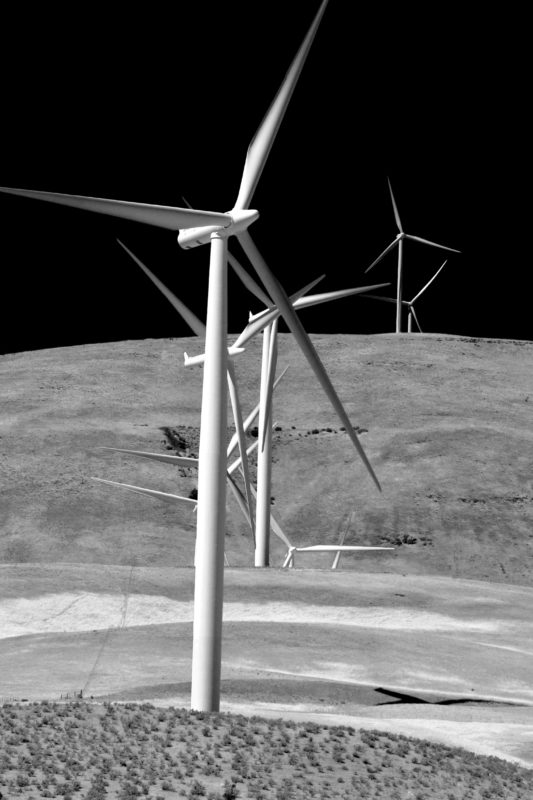
dsc_0123-copy

The silent exit of fossil fuels

More and more major investors, pension funds, and private and central banks are realizing that investments in the fossil fuel industry  could become worthless later this century. Little by little, they’re exerting their influence to steer companies toward sustainability or turning their backs on them altogether.

dsc_0190-copy

Owners of coal-fired power plants and builders of mines have taken a hit on the stock market in recent years, partly due to competition from solar and wind energy. And the oil and gas industry is having a hard time too, in part because of low oil prices.

dsc_0124-copy

Demand for fossil fuels won’t disappear overnight, but if the energy transition accelerates, some analysts say demand for oil and gas will peak a lot sooner than the industry expects, leading to large-scale capital destruction.

https://thecorrespondent.com/5433/this-financial-analyst-is-certain-fossil-fuel-companies-are-past-their-prime/598765497-c93ad272

dsc_0129-copy

Can you tell I like photographing these giant creatures????

Transitions

dsc_0056-copy

The epic tale of the global energy transition

(Hm, not sure that “epic” is the right adjective – more likely to align with wishful thinking, but then again, enthusiasm helps the good fight…)

dsc_0691-copy


In December 2015 in Paris, all the world’s countries agreed to bring greenhouse gas emissions down  to net zero in the second half of this century. The end of the fossil fuel era is in sight: solar and wind power is becoming competitive with fossil fuel energy in more and more countries.

Right now, though, sun and wind combined still generate less than 2% of energy used around the world. For example, we still use unthinkable amounts of oil to get around and natural gas to heat our homes.

If we want to keep the world safe to live in, we must stop producing emissions and considerably reduce  current greenhouse gas levels.Renewable energy growth alone won’t limit climate change.


dsc_0007-copy

The good news is, cheaper clean tech is opening up new options for governments, which are planning to do things like ban the sale of gasoline-powered cars. So the global energy transition is starting to become an epic story.

Good news here as well:http://www.nytimes.com/2016/12/06/technology/google-says-it-will-run-entirely-on-renewable-energy-in-2017.html?module=WatchingPortal&region=c-column-middle-span-region&pgType=Homepage&action=click&mediaId=thumb_square&state=standard&contentPlacement=1&version=internal&contentCollection=www.nytimes.com&contentId=http%3A%2F%2Fwww.nytimes.com%2F2016%2F12%2F06%2Ftechnology%2Fgoogle-says-it-will-run-entirely-on-renewable-energy-in-2017.html&eventName=Watching-article-click

Time to move?

lower-manhattan-copy

New York

What are the consequences of climate change?

Higher temperatures are already triggering more droughts and storms, causing failed harvests, and driving people from their homes. These problems will continue to worsen and affect more people as the mercury keeps rising.

Since 10% of the world’s population lives in low-lying coastal areas and three-quarters of major cities are by the sea, rising sea levels are one of the greatest hazards of climate change.

Before the last ice age, about 120,000 years ago, the temperature on earth was 1° Celsius higher than it is today, and sea levels were 5 to 9 meters higher. The rising waters to come will threaten cities such as London, Shanghai, Rio de Janeiro, New York, and Amsterdam.

img_7308-9-copy-copy

Miami

The numerous other effects to look forward to include a shortage of fresh water, searing heat, and increasingly destructive forest fires. Warming has far-reaching effects on biodiversity and marine life, too.

schipho-amsl-copy

Amsterdam

(The images are from my show some years back at Blackfish Gallery.  Free Fall focussed on airplane disasters in the context of human political or religious hate and/ or technological hubris.)

And here is an alternative voice: http://www.wsj.com/articles/my-unhappy-life-as-a-climate-heretic-1480723518

The Weather


img_9654-copy

Now we know that there is no longer such a thing as “facts.”

http://www.rawstory.com/2016/12/trump-booster-scottie-nell-hughes-gets-blasted-on-npr-after-saying-theres-no-such-thing-as-facts/

dsc_0510In case you need some facts, regardless, if still willing to talk to your republican relatives over the Christmas goose or the Hannukah latkes, and I will provide some on climate change this week. They are taken – directly –  from a 101 climate change primer by Jelmer Mommers, a Dutch climate expert. I will link to the entire article by the end of the week.

Why should I worry about rising temperatures?

Industrial livestock farming, deforestation, and fossil fuel use have released unprecedented amounts of greenhouse gases into the atmosphere. It’s been tens of millions of years since there was this much CO2 out there, and levels have never increased as fast as they did in 2015.

(As readers of prior blogs know, I have argued in favor of industrial livestock farming, when discussing this terrific documentary:http://milkmenmovie.com; but only with the relevant caveats about re-use of energy in form of manure-converting power plants and other complex issues.)

img_9411-copy

Some 97% of climate scientists agree that greenhouse gases emitted by human beings are having a dominant influence on the climate.

dsc_0603

When records shatter in rapid succession, you know it’s time to worry. 2016 is on the way to being the hottest year ever. The last record year was 2015, which unseated the previous one, 2014. And the records are being broken by ever-greater margins.

img_9658-copy