Abstract Art is dead. Long live Abstract Art!
· Paintings of Lee Musgrave ·
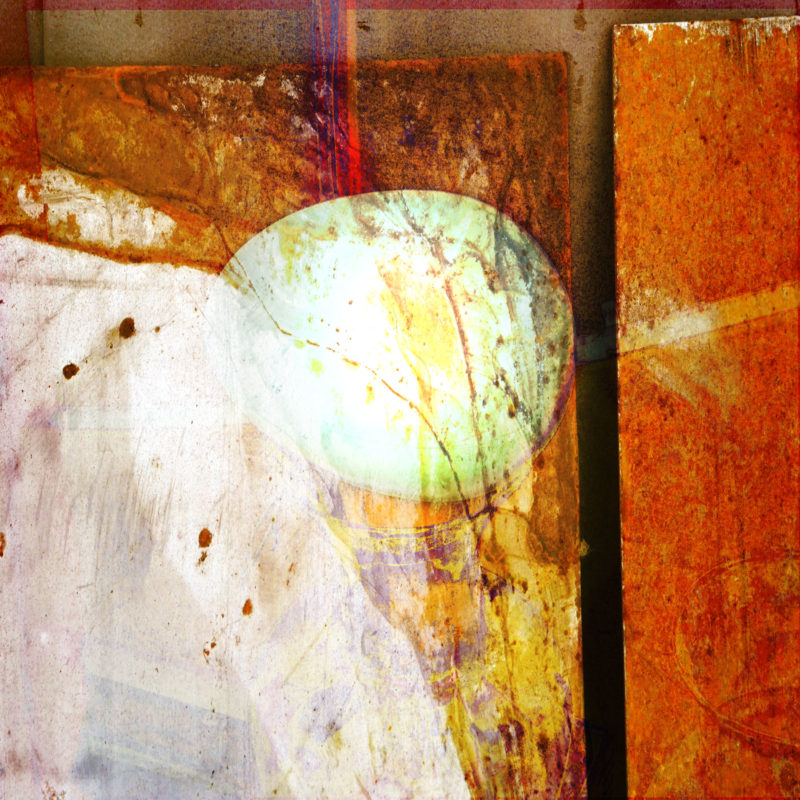

In 1940 the New Republic published an article written by Wyndham Lewis, a painter himself, with the title The End of Abstract Art. https://newrepublic.com/article/80125/the-end-abstract-art This witty, sometimes pompous, obituary was clearly premature. If you look at the catalogues of modern art museums in this country and around the world 76 years later, you find the art form dominates the field. Countless journal articles explore its theoretical underpinnings, trying to predict a trajectory.
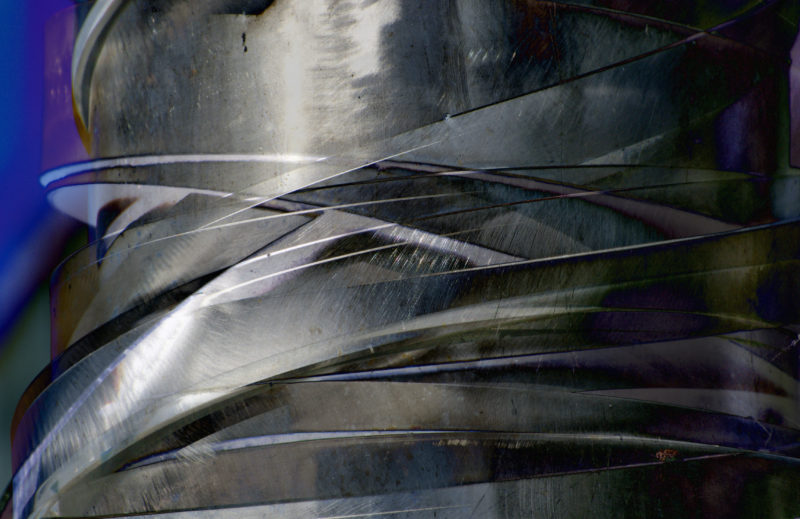
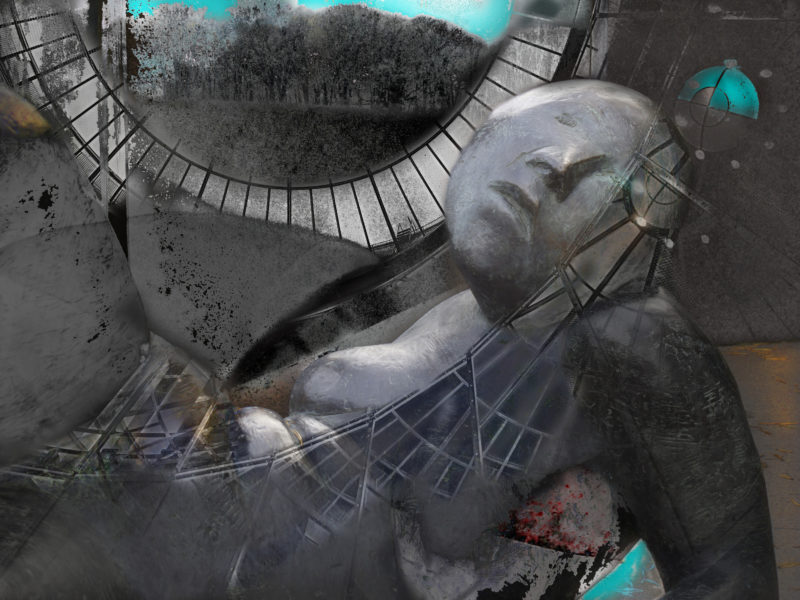
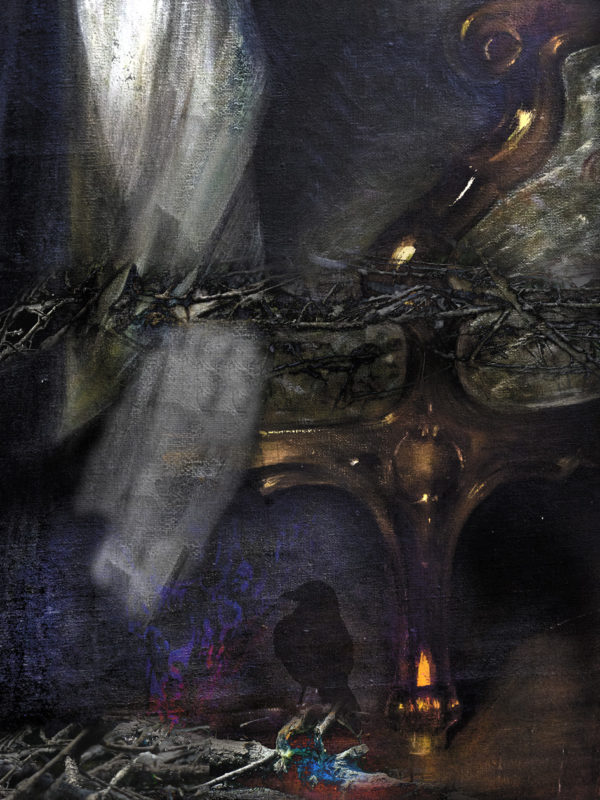
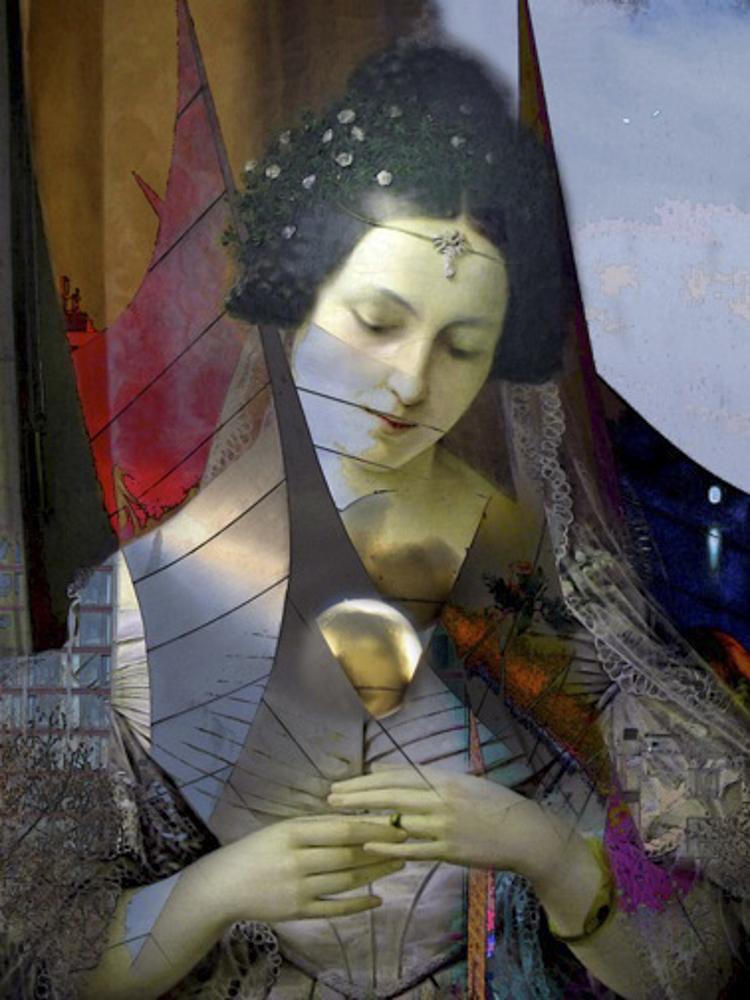
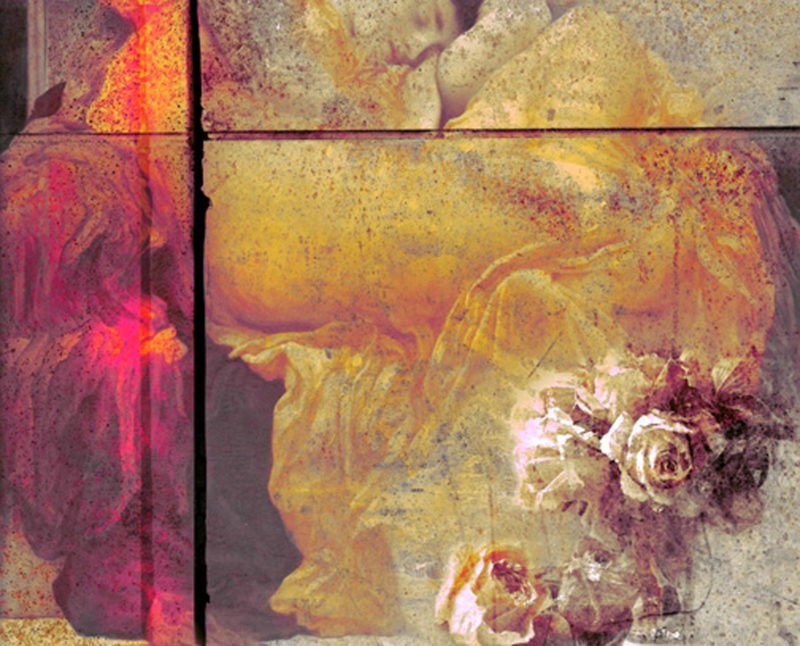
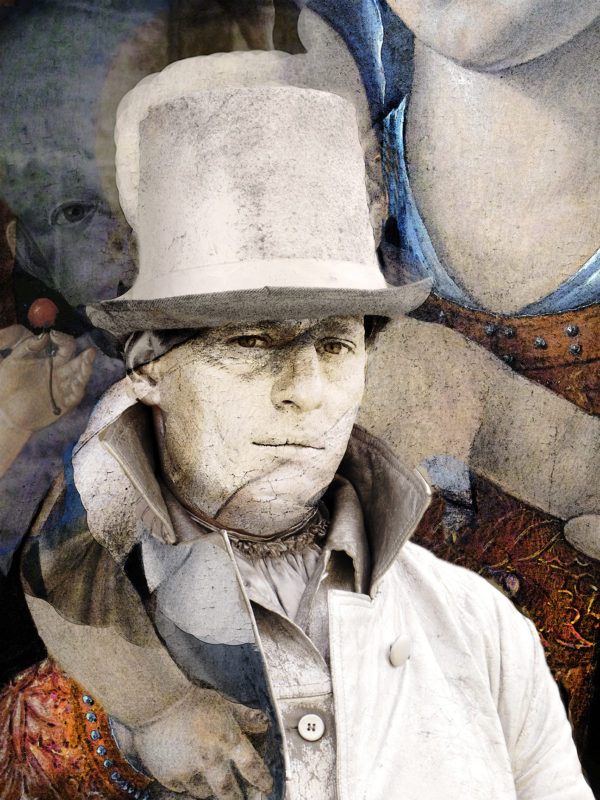
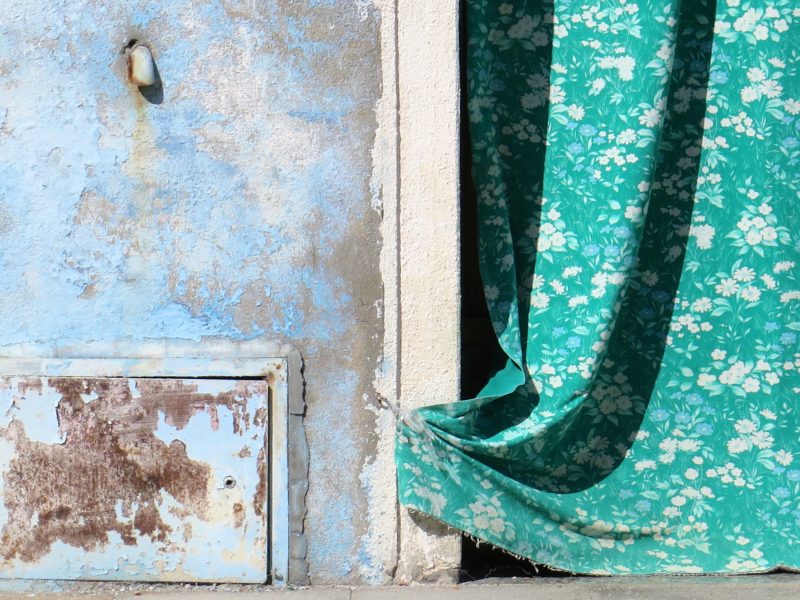
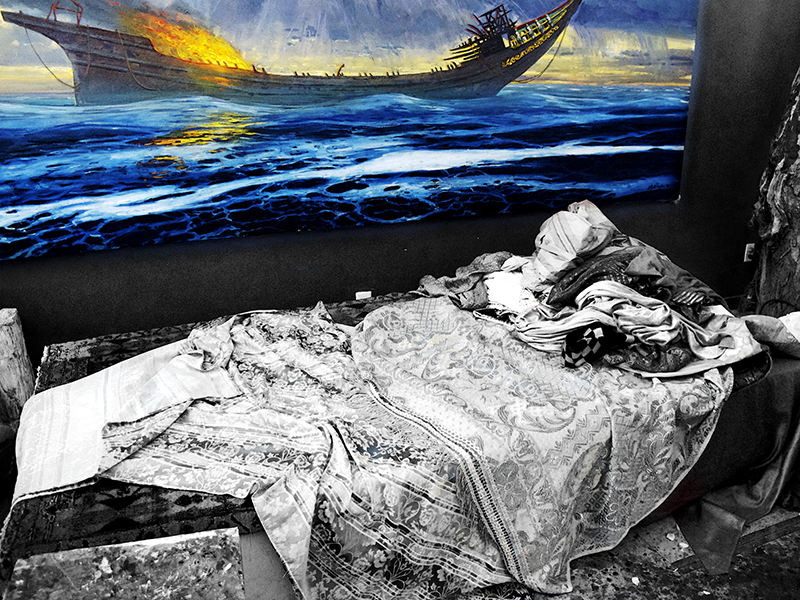
Closer to home, you find serious artists engaged in its application. Lucinda Parker, Whitney Nye, Terrel James and Gwen Davidson are among them. (Note, all women!) I chose to showcase Lee Musgrave. I like his work and know him as a fellow photographer who walks the same landscapes as I do. I thought it would be interesting to compare photographs of some subjects with his painterly extractions around the same matter. My current take on it is that painting beats photograph every single time. A photograph is of course the pinnacle of representation – the capture of something at a given moment of time. Depending on how much of a thing you photograph it can be more or less abstract, but really it is of a thing, a documentation. Lee’s abstract painting, on the other hand, draws out some essence, value added by the application of craft, the creation of imagined juxtapositions. Judge for yourself. (Note, I took all these photos long before I even met Lee, planning to use them as building blocks for montages.)


And here is the match for the lead montage – egg above meet chick below! At least that’s what I see in this painting with the little chicken feet, superimposing reference once again.