Two for One
· A Stroll and a Hike ·
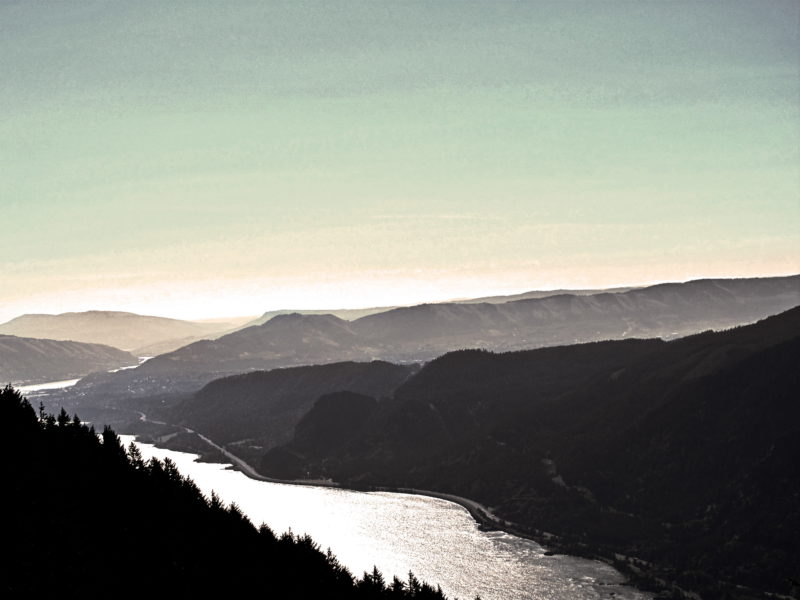
When you cross the bridge from Hood River into Washington State and take a right on Hwy 14 you will eventually come to the Old Highway 8 that veers off to the left. A few miles further you have a choice: take a delightful little stroll on paved paths – Catherine Creek – overlooking the Columbia river.
Here is the river at different times of day: 

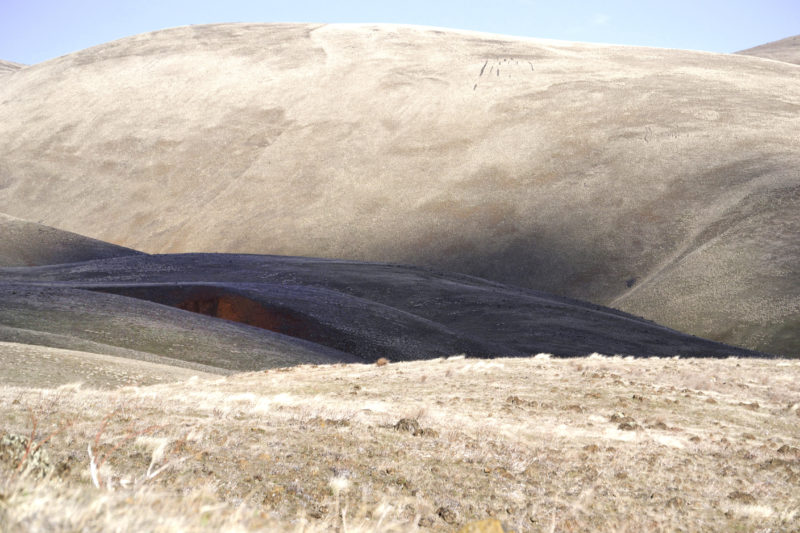
Or get ready for a serious hike up Coyote Wall, through a constantly changing landscape, flat boulders, Aspens stands, pine forests, the occasional remnant of structures for collecting and branding cattle.

 Steep, slippery, with chances of rattlesnakes in the summer and chances of being shot in the fall…. it’s all worth it to get a sense of the might of the river snaking through the Gorge.
No kidding, by the way, about the “being shot” part – it was typical for me to read the warning sign about wearing orange vests to be visible in deer hunting season AFTER I returned to the car. Never thought that public hiking paths could fall within hunting grounds. No harm, no foul, I guess. I do admit, though, that it is not particularly wise to hike there alone. I will keep that in mind, and a SPOT locator in my pocket that can call 911 from anywhere with satellite GPS. Floppy ears might not be so lucky….


In the late spring a profusion of wildflowers can be found in these places (and many others in the Gorge.) So today’s book recommendation offers a variety of sources to get you hooked on some serious beauty in our region. The compilation was done by the native plants society/WA chapter.



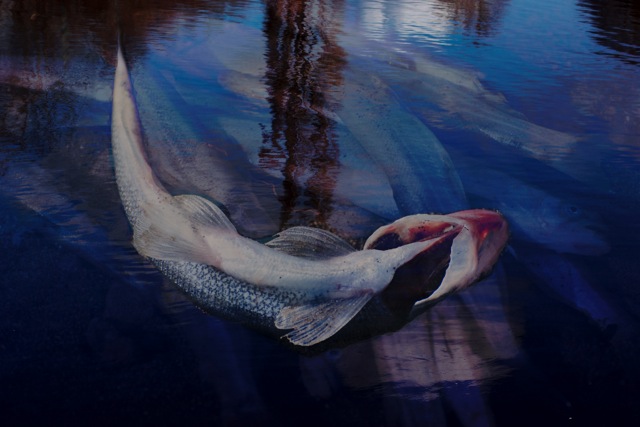
 We begin with the Klickitat river, which flows into the Columbia at Lyle, WA. There is a 9 mile trail following the stream, with beautiful vistas, and enough width to allow you to avoid the rampant poison ivy on each side. Native Americans have restored the salmon population, and when I hiked there some government agency was trying to get cables with antennas across the river to help count the fish.
  I saw salmon fishing with nets – it requires unbelievable strength and agility to hoist those huge fish out of the water, on platforms or the rocks; the law now requires safety lines for the fishermen, since too many lost their lives on the slippery granite. And here is the perfect book to learn tribal history from:





 Remember the old Mark Twain adage “Water, taken in moderation, has never hurt anyone?” That’s no longer funny when considering how many people in the world experience water shortages, or are forced to migrate because there is no longer enough water to sustain human dwellings.


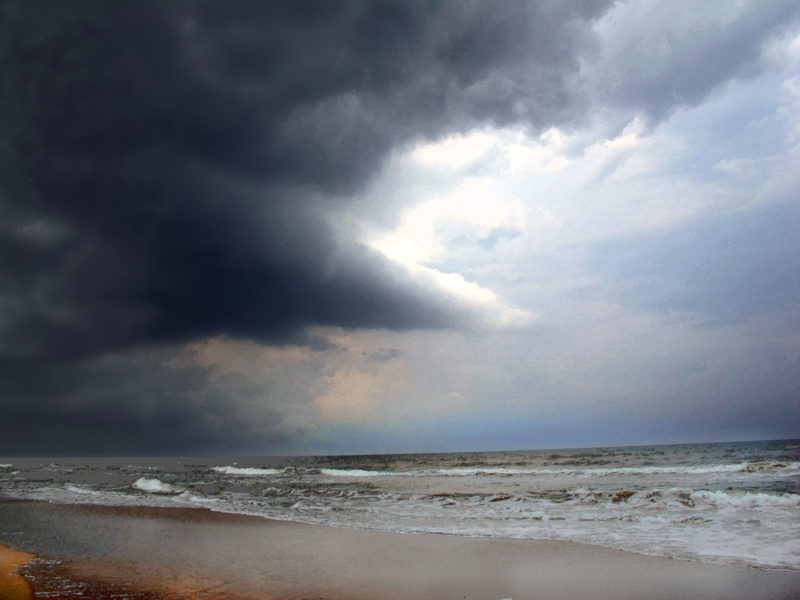


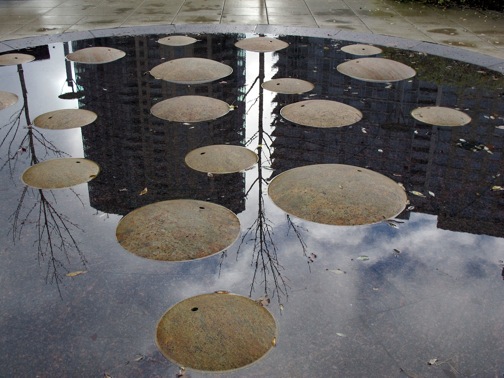


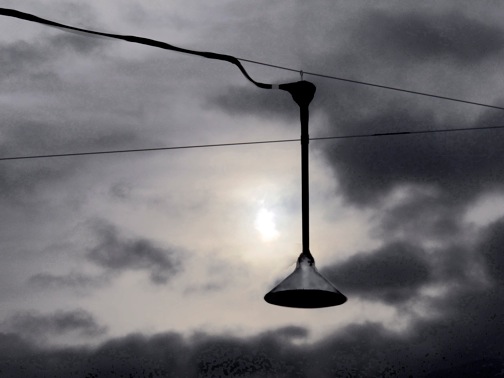


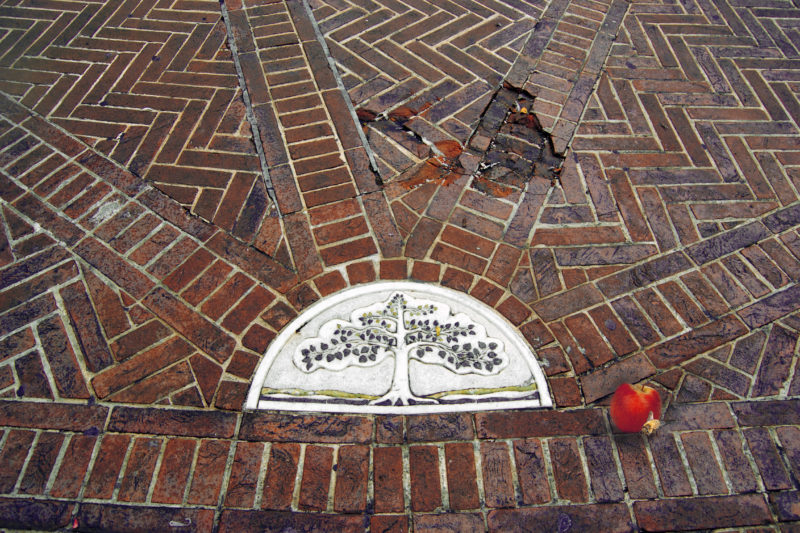

 Interspersed are some montages from previous years all sent on Rosh Hashanah.
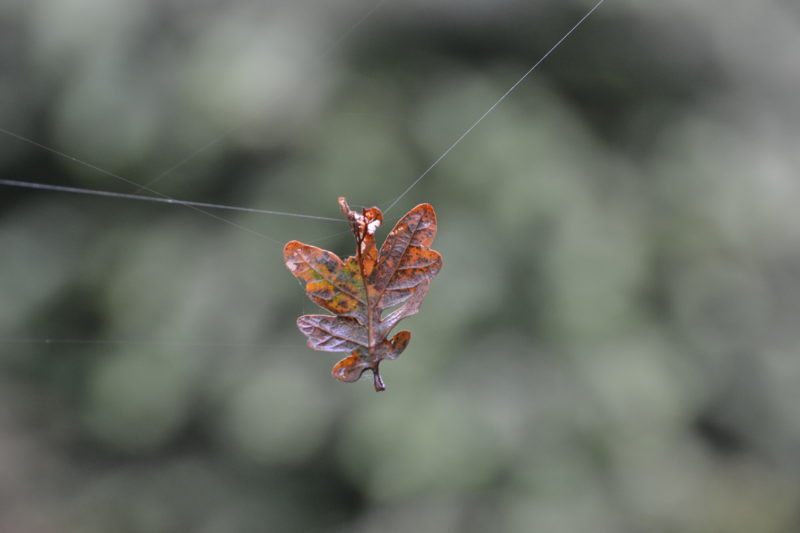


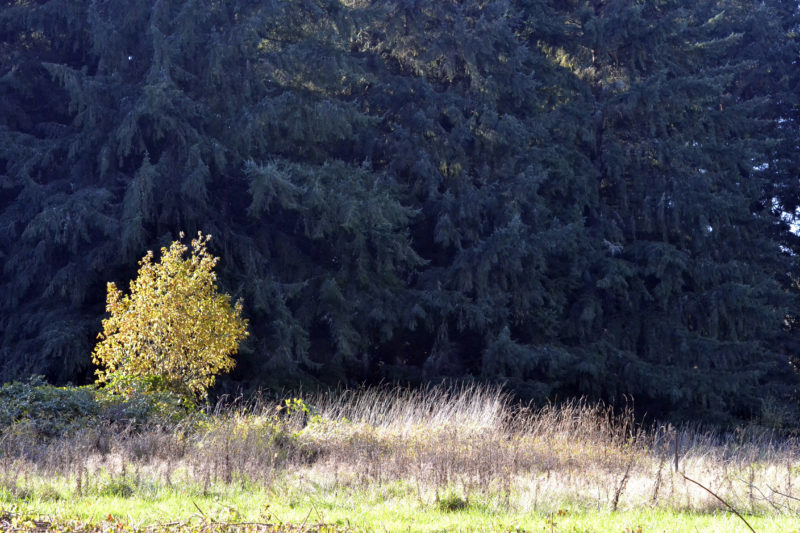
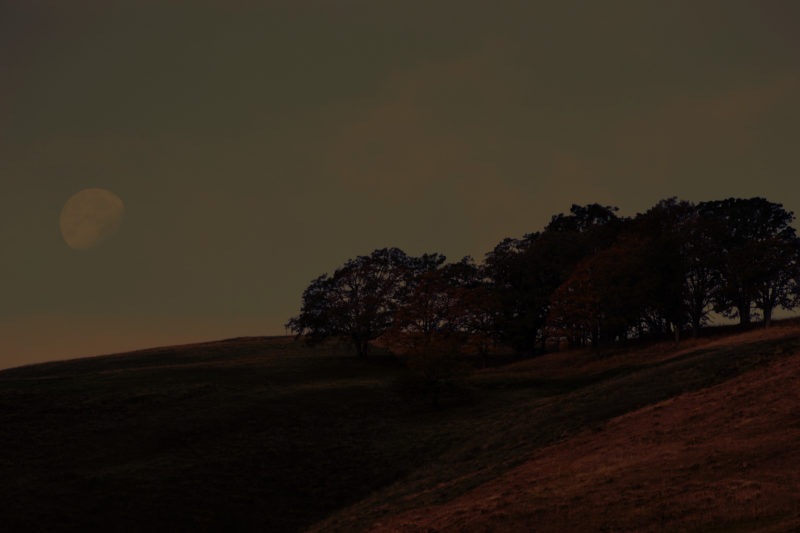
 Actually less into the woods and more into trees: I find them most spectacular in the fall, when the light is reflected by rather than absorbed into their more brightly colored leaves. Here is a poems that points to something important:


 Where are the politics, you ask? Far from me to disappoint you:
