Browsing Category

Nature

The Bigger Picture

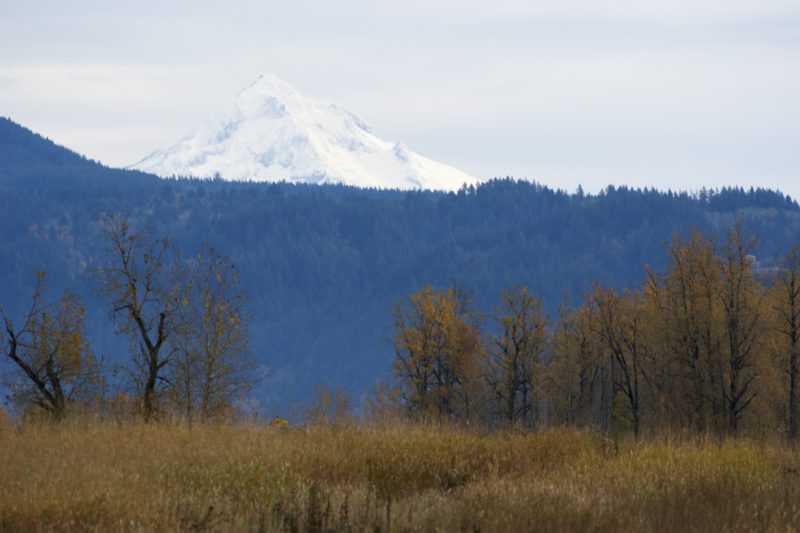
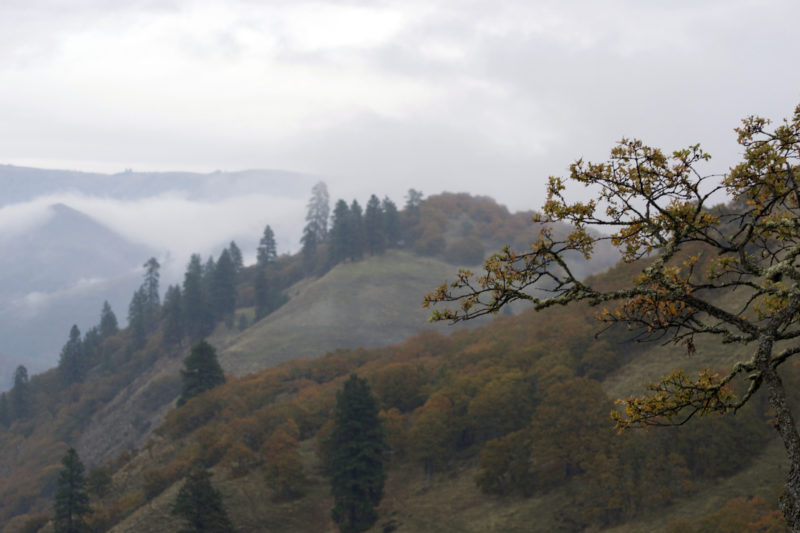
I’ve concentrated on detail for most of the week, so today I thought we’d look at landscapes to get the bigger picture. The photographs were taken in the Gorge in 2016 before the fires of this year, in the coast range and recently on Sauvie Island, now familiar to my faithful readers!

I picked the poem The Silent Heavens by Victorian poet Richard Watson Dixon shortly after the news of yet another mass shooting, this time in Texas. It reflects a sense of loss, not just of youth, of faith, of lives, but of the ability to connect; to connect in order to find answers. In secular terms perhaps even answers that could be pragmatically turned into political action.


For a long and insightful analysis that places the poem and the poet in their historical context as well go here:

https://www.theguardian.com/books/booksblog/2017/sep/25/poem-of-the-week-the-silent-heavens-by-richard-watson-dixon


I explore nature to escape thinking, more often than not. The part of me that “sees” the world, in ever lasting gratitude for the beauty around us, is mostly able to shut out the part of me that “thinks” about the world. Until it isn’t.


Taking pictures along the Columbia river, for example, makes my heart beat faster, first in awe, and then in anger, because I remember this: http://www.miamiherald.com/news/politics-government/national-politics/article181771226.html

It brings back the theme of the poem, translated into our modern, secular realm – the lack of humanity when we ignore the faces of the dispossessed.


Captured, of course, by Mahler im Lied der Erde, at his best: https://www.youtube.com/watch?v=PeghTtEcreM


Root Vegetables

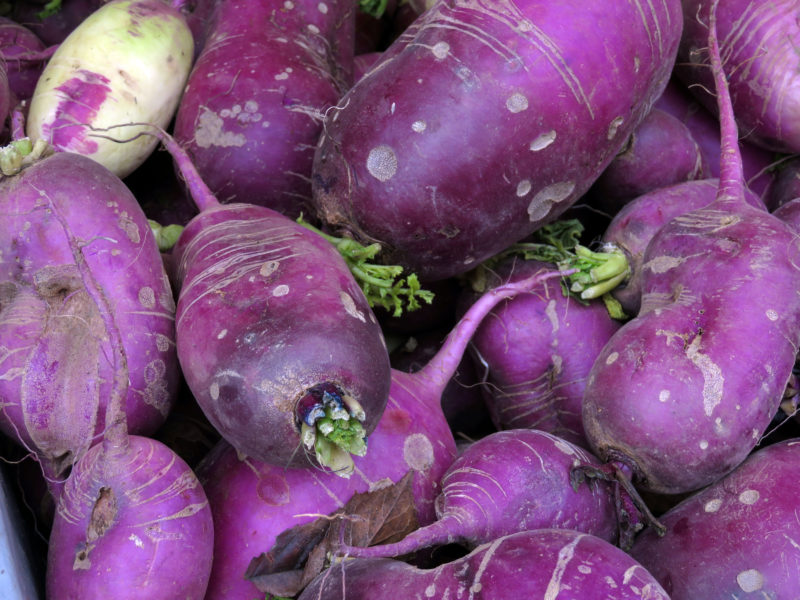
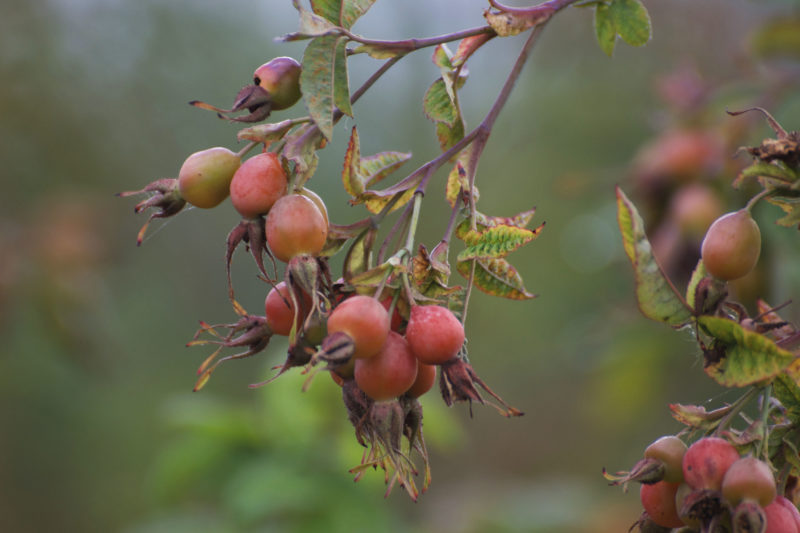
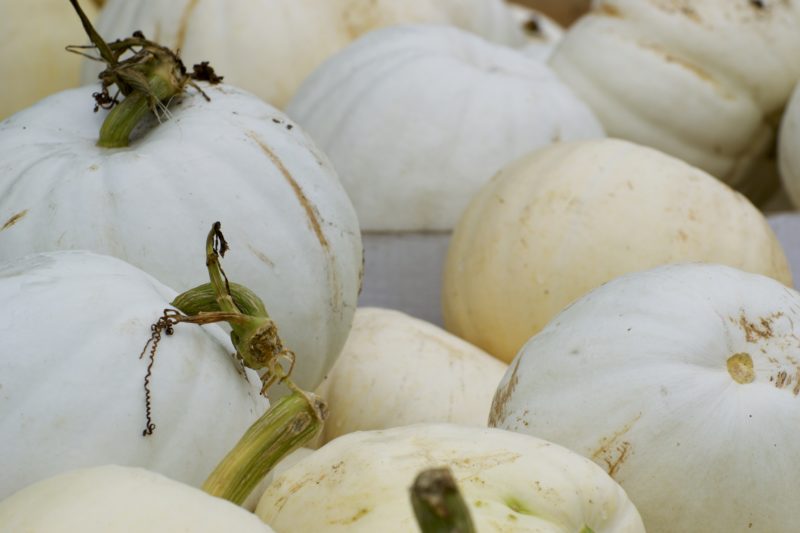
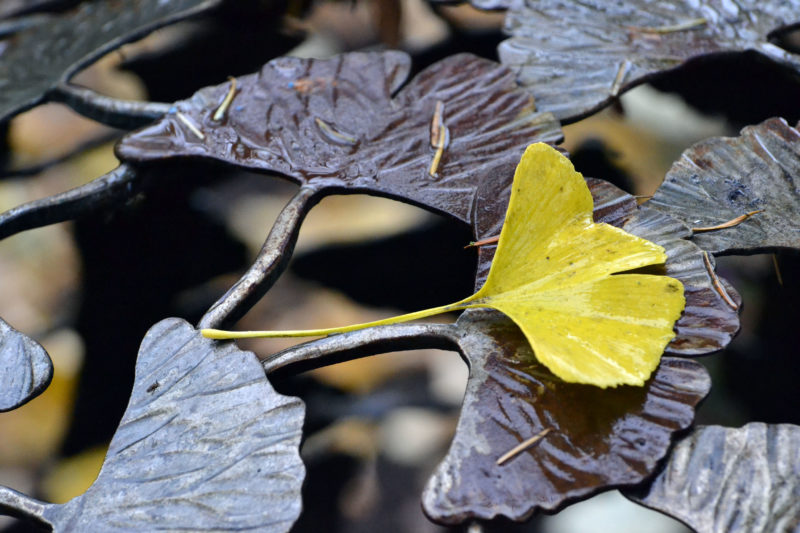
We had yellow leaves, white pumpkins and red rose hips this week. Time to expand the palette. Root vegetables (and other fall crop) will lend their saturated colors, providing opportunity to go the farmer’s market to photograph and to share a poem that spoke to me for years.

If you ever need a thoughtful gift for a friend struck with serious illness I recommend Tisha Turk’s small volume of poetry Coming out Alive. Turk teaches at the University of Minnesota with a research focus on popular videography; a life threatening illness in 2003 produced her first volume of poems; they tell stories.

https://www.library.wisc.edu/parallelpress/pp-catalog/poetry-series/2003-2/getting-out-alive/

Some are directly related to issues of how to cope with illness, some are indirectly related to themes of how to survive any number of psychological or physical impairments. They are pragmatic, hopeful, sometimes wise.  (I realize that just like I prefer paintings that tell stories I also tend towards narrative poetry. I wonder what’s that all about.)

In any case, here’s to root vegetables. And toughness. And shared pain. To those who listen.


And here comes the fun part:

Go make that soup!!!

Autumn Rose Hips

Rose Hips also known as Apothecary Rose, Cynorhodon, Cynorhodons, Cynosbatos, Dog Rose, Dog Rose Hips, Églantier, Fruit de l’Églantier, Gulab, Heps, Hip, Hip Fruit, Hip Sweet, Hipberry, Hop Fruit, Persian Rose, Phool Gulab, Pink Rose, Poire d’oiseaux, Rosa alba, Rosa centifolia, Rosa damascena, Rosa de castillo, Rosa gallica, Rosa Mosqueta, Rosa provincialis, Rosa canina, Rosa lutetiana, Rosa pomifera, Rosa rugosa, Rosa villosa, Satapatri, Rosae pseudofructus cum semen, Rosehip, Rosehips, Rose des Apothicaires, Rose de Provins, Rose Rouge de Lancaster, Rosier de Provence, Satapatrika, Shatpari, Wild Boar Fruit are THE best thing to make jam with.

Or so I thought when arriving in a small bed&breakfast in some remote part of Southern Argentina, after months of being deprived of sugar, an essential, perhaps the essential staple of my diet…. I might have told the story before, but I could not stop eating that jam, generously supplied at the breakfast table, by the spoonful.  (These days I favor currant jam, not easily found here, and a special sour treat when done right.)

Rose Hips are visually enticing, providing such saturated color in fall, red to black splashes in the fading landscape. High in Vitamin C they are also recommended to be taken as a supplement (although as it turns out, when you process them and dry them yourself, almost all the Vitamin C disappears.)

Here is the deal, though: just because rose hip supplements are “natural” it does not mean they don’t have possible interactions with other medications or certain ailments. The assumption that things that are plant-based are safe is one of my pet peeves.

Just a few pointers, before you mega dose on natural Vitamin C in this cold season: Rose Hips increase how much estrogen your body absorbs; if at risk for cancer you don’t want to up the amount of estrogen floating around. Rose Hips interact with aluminum, (found in most antacids) increasing the amount the body stores. If you are on lithium, Rose Hips interfere with getting rid of the drug, leading to side effects. If you are on Coumadin, which is used to slow blood clotting, Rose Hips decrease the effectiveness of the drug. If you are diabetic they interfere with blood sugar regulation. And last but not least there are some data that point to the possibility of developing kidney stones if you eat large amounts of the Vitamin C in Rose Hips.

I guess it’s better to stick to the visual beauty and leave them as food for the birds…. and listen to folk songs about them https://www.youtube.com/watch?v=ETQTDMP17Ks

Or read poems about them that are deliciously subversive.

This young poet, by the way, is a force to be reckoned with. My kind of approach to nature…..

http://sorlil.wixsite.com/mmccready


And here is a vibrant red matching the vibrant wins of the Democrats in last night’s election – what  a ray of hope.


Pumpkins

I had not known that pumpkins come in colors other than orange. The white ones are particularly photogenic, not sure if they are equally suited for soup compared to the ones more familiar to me. I like pumpkin soup, and do not like pumpkin pie – riddle me that. Then again, pumpkin bread is a constant fall companion as my ever increasing hip volume can testify.

The poem I chose for today mentions pumpkin bread – as a kind, if futile, gesture towards someone struck by tragedy. I was caught by the poem as a “matter of fact, don’t really spell it out, let the insight hit a moment later” – piece of writing.

The music matches the mood.


Let me counterbalance the sadness with some of the most exuberant art currently on the scene:

https://www.dma.org/kusama

Yayoi Kusama is something else altogether, whether she applies her polka dots to pumpkins or anything else. The woman is creativity incarnate. I’m drooling over her energy…. https://www.nytimes.com/2017/11/03/arts/design/yayoi-kusama-david-zwirner-festival-of-life-review.html


Better get back drooling over the pumpkin bread….


Herbst

Some thoughts on autumn this week.

Yellow thoughts. 

Leaf thoughts. Soon to be falling, dropping, gliding, twirling, rustling and all around in motion – thoughts. Or hanging in suspension thoughts.

Here is Autumn, a Rilke poem in the original German, read by one of my favorites, Otto Sanders, speaking to the matter of falling leaves. (Rilke’s poem An Autumn Day is probably better known, but honestly borders on clichee for those of us who had to recite it during all of their childhood school years….)

I am attaching a couple of translations which go to show how hard it is to capture poetry in a different language. None of them comes close to the original which has a sense of futility and hope rolled all in one.

Photograph are from the last weeks in and around Portland.

Prelude to fall is behind us – we are in it; but here is a beautiful musical reminder of how it felt…..

Singing Sands

Sometimes I read something about people I have never heard of before and I spontaneously think: wouldn’t it be cool to meet that person? This was certainly true when I encountered the article below, describing Lotte Geeven, a Dutch artist who is passionate about making a concert out of samples of singing sand collected from around the world. The idea alone is ingenious – focussing an audience’s attention on sound that is natural by source (and rare) but now delivered in manufactured fashion – however she plans to do that.

The preparation for such an undertaking involves figuring out where these sands can be found, how people can be approached to send them, and of course how to re-create the sound once the sand is in your possession.

If you click on the short video embedded in the article you can see the process first hand – how she writes to strangers, how they respond, how so much depends on simple kindness and willingness to do the unusual for the sake of art.

https://www.smithsonianmag.com/smart-news/artist-crowdsourcing-sand-around-world-recreate-sound-singing-deserts-180966966/

For the mechanically inclined, here are some sketches of her “instruments.”

 https://hyperallergic.com/394661/lotte-geeven-sand-machines/

Here is a sound sample from our own “backyard,” sand dunes in Death Valley who sing during the summer (at 118 degrees…)

Here they are in Liwa (UAE) close to Saudi Arabia

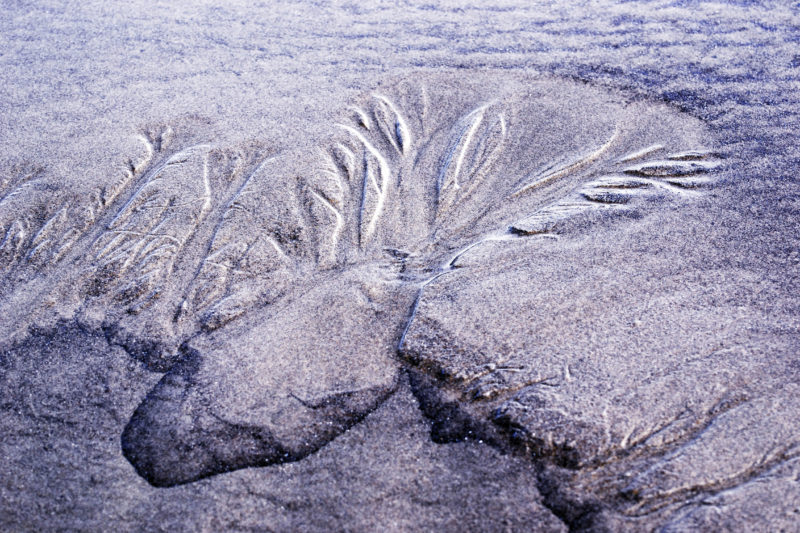
You can find them in China, Mongolia, Scotland (apparently…) and you can find stand-ins at the beach and the Portland Zoo.

The sands there don’t sing, but I needed photographs for this blog so the elephants’ play ground came in handy. When I went there last week to take these pictures I happened to be in time for the elephant training/feeding session. Thus you get a bonus picture of an elephant’s mouth in all its pink detail….

Maybe singing elephants are next.

She doesn’t think so…. 

Fall Birds

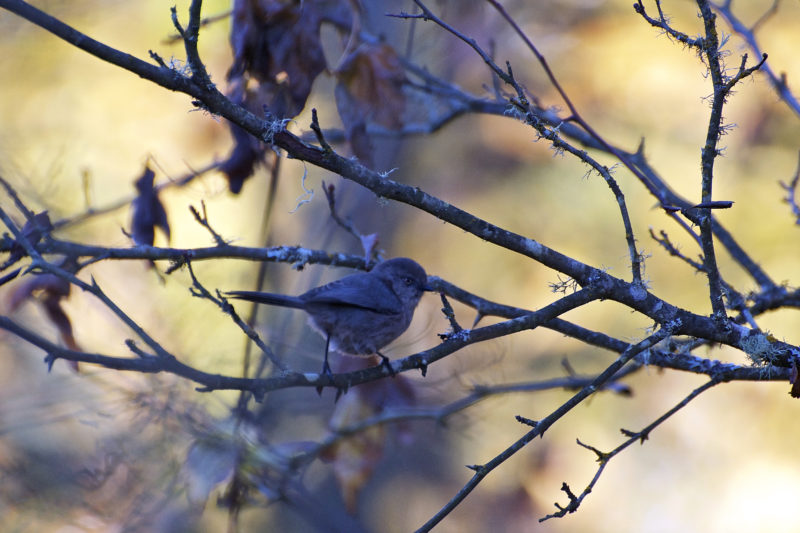
Yesterday I posted photographs of painted birds – today I feel inclined to share the real thing. I can never decide which season is the best for photographing birds – so I probably will talk about them for every single one, starting with fall. In fall you have the color of the leaves and berries that spectacularly offsets the shape of the birds.

The light is relatively low at the times they are feeding allowing for better shots.

Some trees are almost bare already from the summer drought or have few leaves left after the onset of the rain, allowing for good viewing.


There is much we can do to help them through the winter – or, as the case may be, we should do little in terms of cleaning up the yards…..http://www.audubon.org/news/to-help-birds-winter-go-easy-fall-yard-work

There is, alas, less we can do for the migrating birds, which are now arriving or gathering in large groups to take flight towards warmer climes. They are killed by the millions from hitting TV and radio towers, and up to one billion birds die each year from flying into windows in urban areas.

The link below describes an interesting study that also looks at the consequences of light – mostly urban, industrial-strength light, that disorients birds enough to loose their migrating paths. On my walks I frequently see signs in neighborhood backyards calling for lights out in the city. I now understand why.

Here are some of the migrating birds you can see in these October/November weeks – geese, cranes, swans, red-winged blackbirds,pintail ducks and snowy egrets.


http://www.audubon.org/news/9-awesome-facts-about-bird-migration

When I walk the fields surrounded by their calls I feel a mix of extreme gratitude to be so close to nature, and equally strong longing that I could just take off with them. There is something so unbound, so untethered about the whole migration, never mind that it is a dangerous travel, and really preprogrammed into your genes, not exactly “free.”

A Woman ahead of the Times

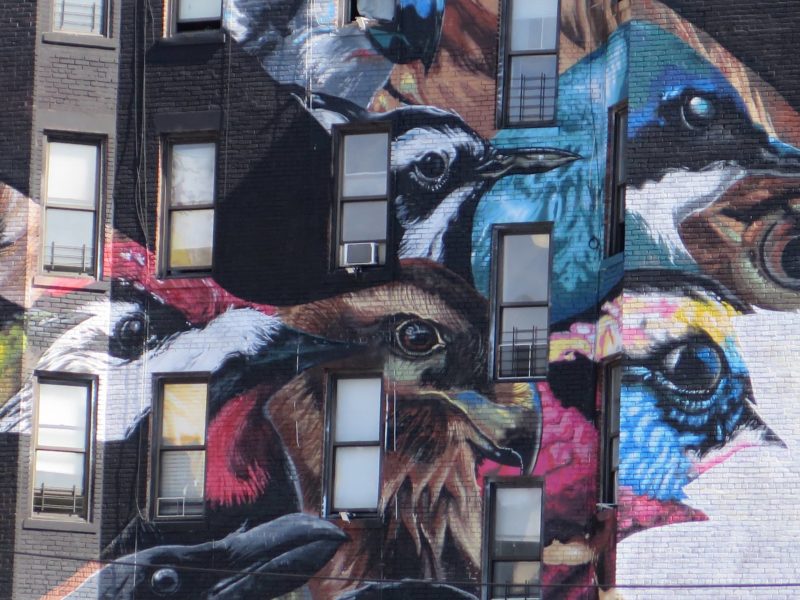
This surgery shortened week is devoted to cheerful passions and preoccupations. For me, birds belong in the former category, graffiti in the latter.

So when I saw this article in last week’s NYT I had to grin – been there, done that, as today’s photographs will confirm. Here is the link to the NYT, click on the picture.

The article is about a fabulous project: painting and spray painting the hundreds of bird illustration by John James Audubon, a pioneering ornithologist, onto surfaces where they can be admired daily. The bird murals are spread across Harlem and Washington Heights, and number so far between 70 and 80 (of an intended 314…) – many more than when I visited in March 2016 trying to scout them out without a serious map.

Audubon was an extraordinary man. His life reads like an adventure novel written by someone like Jules Verne, Daphne du Maurier or Alexandre Dumas, tropical islands, slave mistresses and nursemaids, escape from the Napoleonic Wars, travel with Native American tribes, changing names and nationality, included. He traveled more in his time, on horseback and sailboats across the continents and between them, than most people I know in our own century. He was into birds from the get go and throughout his life which had twists and turns he pursued knowledge about them and painted them all. Reading about him, even on Wikipedia, makes you dizzy. https://en.wikipedia.org/wiki/John_James_Audubon

The National Audubon Society was founded in honor of this adventurer, naturalist and artist in 1896, with President Roosevelt creating the first national wildlife refuge in 1903. Here is an overview of the history – (including the bit of proper Boston ladies trying to get women to boycott wearing hats with feathers as to protect the birds….)

http://www.audubon.org/about/history-audubon-and-waterbird-conservation

And the next link gives up-to-date info on the Audubon Mural Project.  http://www.audubon.org/amp

Just have to get back to NY, don’t I?


Bright Spots

The Pacific Northwest light is once again dark grey and streaked with rain. Sheets of rain, really. Needs to be counterbalanced and with what better topic than the history of the sunflower – which I knew nothing about but had to explore since I have such a cache of cool pictures of this plant. You take your cheer, where you can get it, right?

And what did I learn? Helianthus Annuus sure likes to travel.

The plant was cultivated since 3000 BC by Native Americans in New Mexico, perhaps even earlier than corn. Seeds and oil were used for food and body painting, stalks for building and other plant parts for medicinal purposes.

In the 15oos  some Spanish colonialist took it back to Europe, with the English recording a patent in the 1700s for squeezing the oil. Seeds moved to Russia and under Peter the Great commercial production began – with the blessings of the Orthodox Church which exempted sunflower oil from the list of forbidden oily foods during lent. By the 19th century over 2 million acres in Russia were devoted to sunflowers with much scientific breeding for increasing yield, disease resistance and quality of the oil.

Of course,if you had it with placid sunflower fields you could always turn to St. Petersburg, the city built on bones. You didn’t expect me to be silent on czarist politics, did you? Just saying….

https://www.theguardian.com/books/2017/aug/13/st-petersburg-three-centuries-murderous-desire-jonathan-miles-review

The return trip to the US happened in the late 1800s, seeds brought over by waves of Russian immigrants. During our own time European demand of the product was so big that over 5 million acres were planted in the US for export, so the seeds traveled eastwards again. They even went upwards: into space in 2012 to be planted at the space station.

Source for all of these tidbits is the link below:

http://mentalfloss.com/article/68726/10-glorious-facts-about-sunflowers

It even taught me that you can use the head as a scrubbing pad……..

Enjoy the brightness, the sturdiness, the heliotropic model for moving with the light during this storm plagued weekend!


Sauvies Island, again

Regular readers are familiar with my obsession with Sauvies Island. It is one of my favorite spots to photograph, or, more importantly, to be. I regularly visit to air out my soul.

Since this week’s blog is devoted to recent encounters, I will report on last Thursday’s meeting with unfettered joy – a sunny Rosh Hashana stroll on Sauvie. I went there to walk and contemplate, so the photographs are incidental; in any case Portland has an uncrowned king of Sauvies Island photography, Ron Cronin.  Check out his work – the variety of landscapes and seasons he captures are unparalleled ( and that is saying a lot in a town that is teeming with talented and devoted nature photographers. http://www.augengallery.com/Artists/cronin.html

Here is one of Ron’s images that someone smart at the art museum added to the collection.

PAM has diverse paintings of Sauvie as well: I can think of Charles McKim’s 1920 landscape painting Sauvie Island

Sauvie Island

and Percy Manser’s Fall Trees near Water, 1928.  

Henk Pander has done multiple water colors over the years there, of which this is one of my favorites.

The funny thing is, I could lead you to the exact views represented by these paintings if you give me a day and pack your rain gear…. little has changed in almost 100 years. Somehow that contributes to the sense of being in some totally authentic landscape, something not marred and something shared with other artists.

I walked the Oaks Island trail last week, a 5 k round that will close by the end of the month until late April, to protect migrating birds and nesting waterfowl. The puppy thought he had landed in paradise, chasing those swallows and eventually flushing out a gaggle of geese – unclear who was more startled, the birds or the bird dog.

The grass was golden, the waters calm, and the trees washed free of the accumulated dust after the recent rains. The red-winged blackbirds gorged on the occasional drifts of wild seeded sunflowers and the herons did not disturb the peace with their squawking voices.

And here they were: the sandhill cranes announced themselves from afar with their cries, then flew by in formation, returning from wherever they travel to for a winter’s rest. My favorite birds this time of year.

“Sandhill Cranes give loud, rattling bugle calls, each lasting a couple of seconds and often strung together. They can be heard up to 2.5 miles away and are given on the ground as well as in flight, when the flock may be very high and hard to see. They also give moans, hisses, gooselike honks, and snoring sounds. Chicks give trills and purrs.” I think the Cornell Lab of Ornithology got positively poetic in their choice of adjectives…. if you push the sound button on the lower end of the attached link, you get to hear them.

https://www.allaboutbirds.org/guide/sandhill_crane/sounds

I was trilling and purring for the rest of the week – that is until the German election results came in….