Browsing Category

Nature

Back by popular demand: Nature!

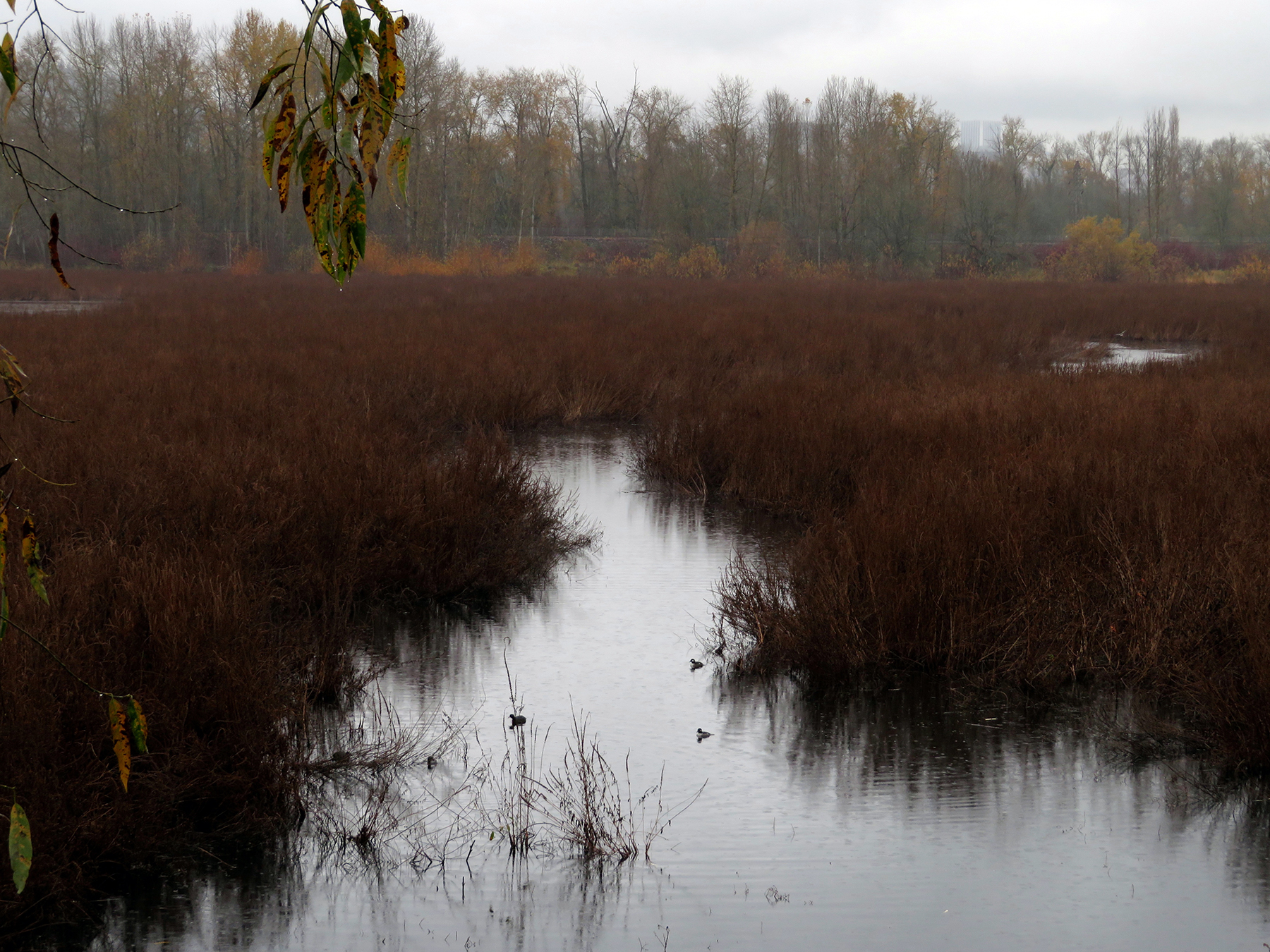
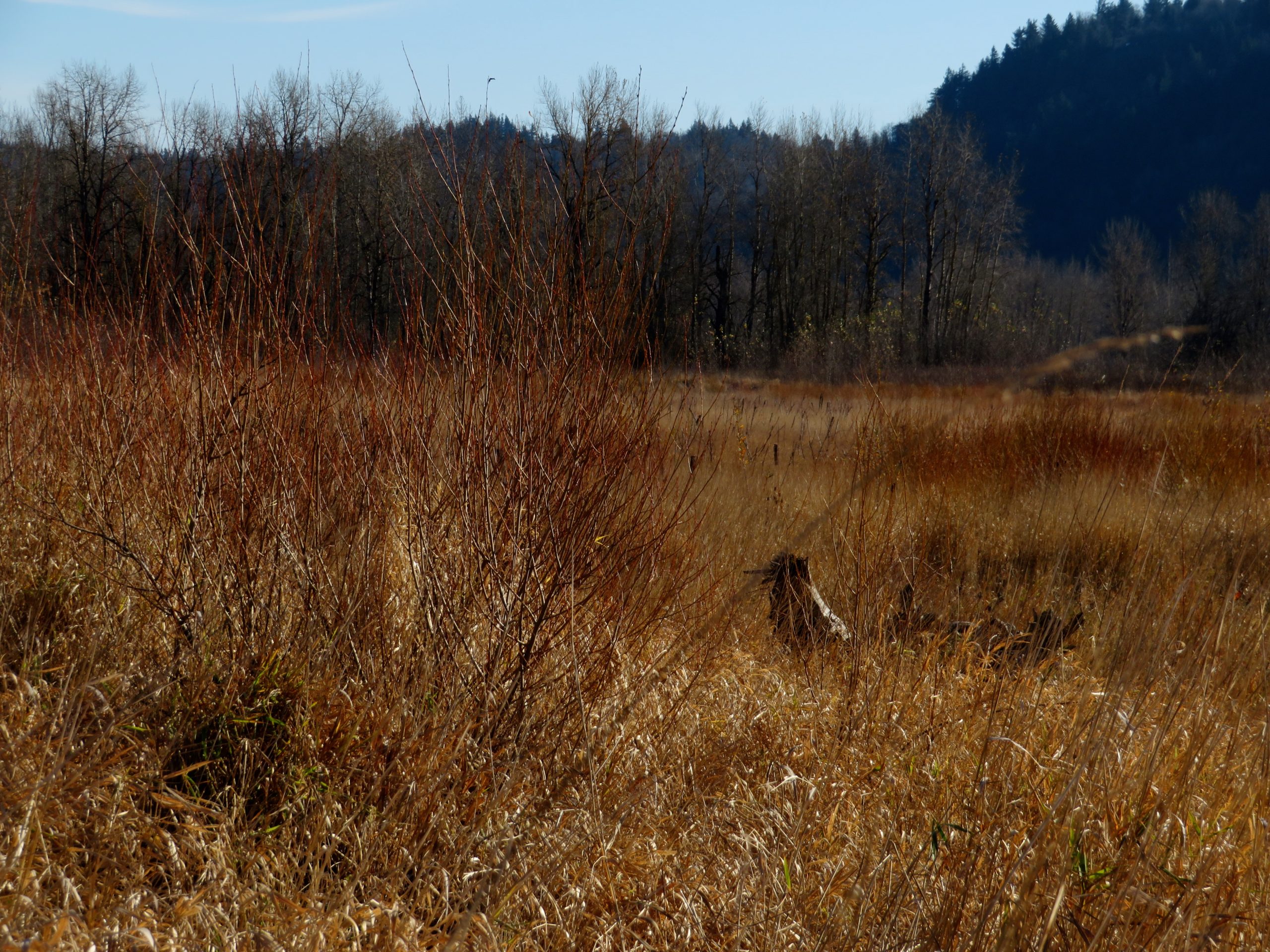
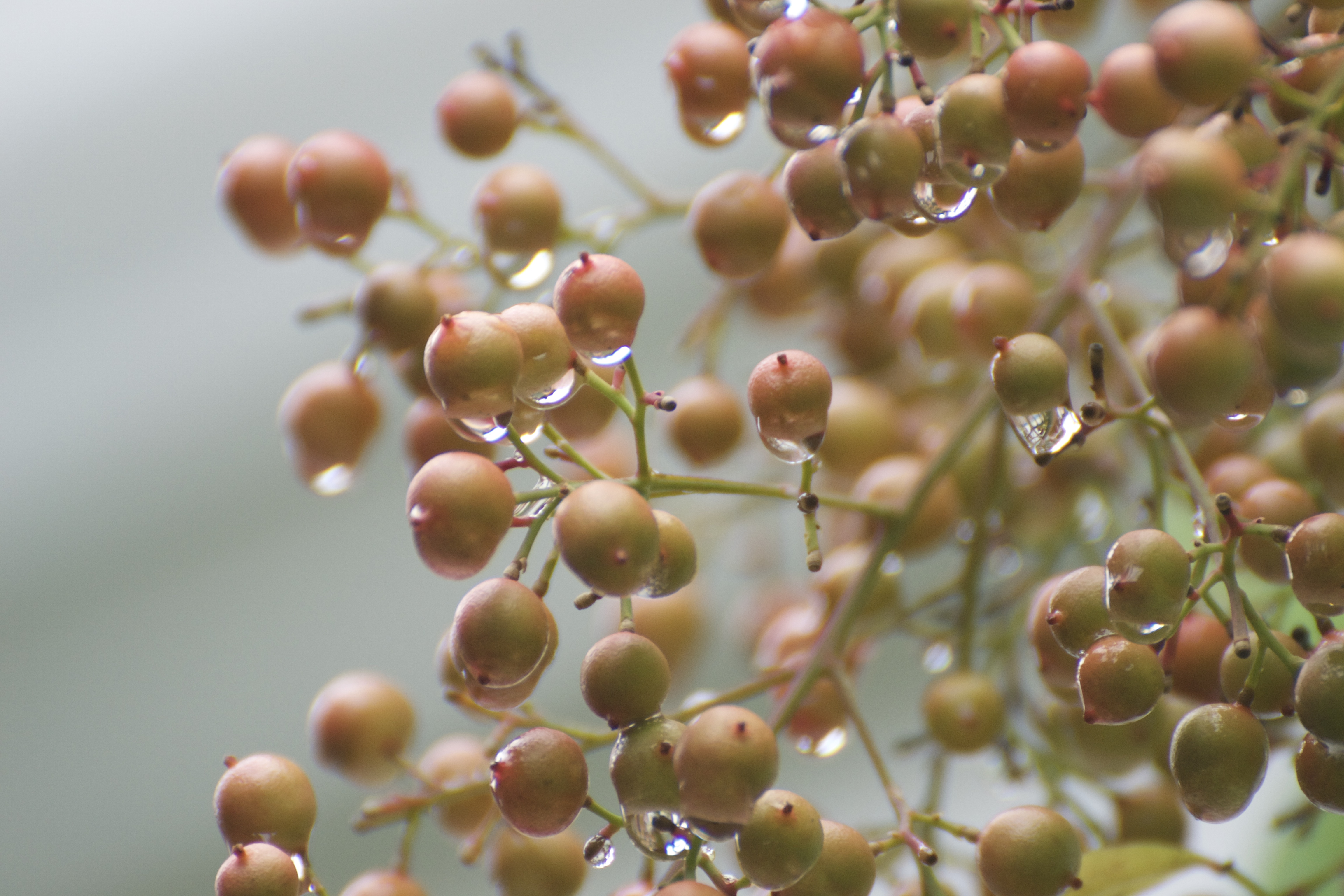
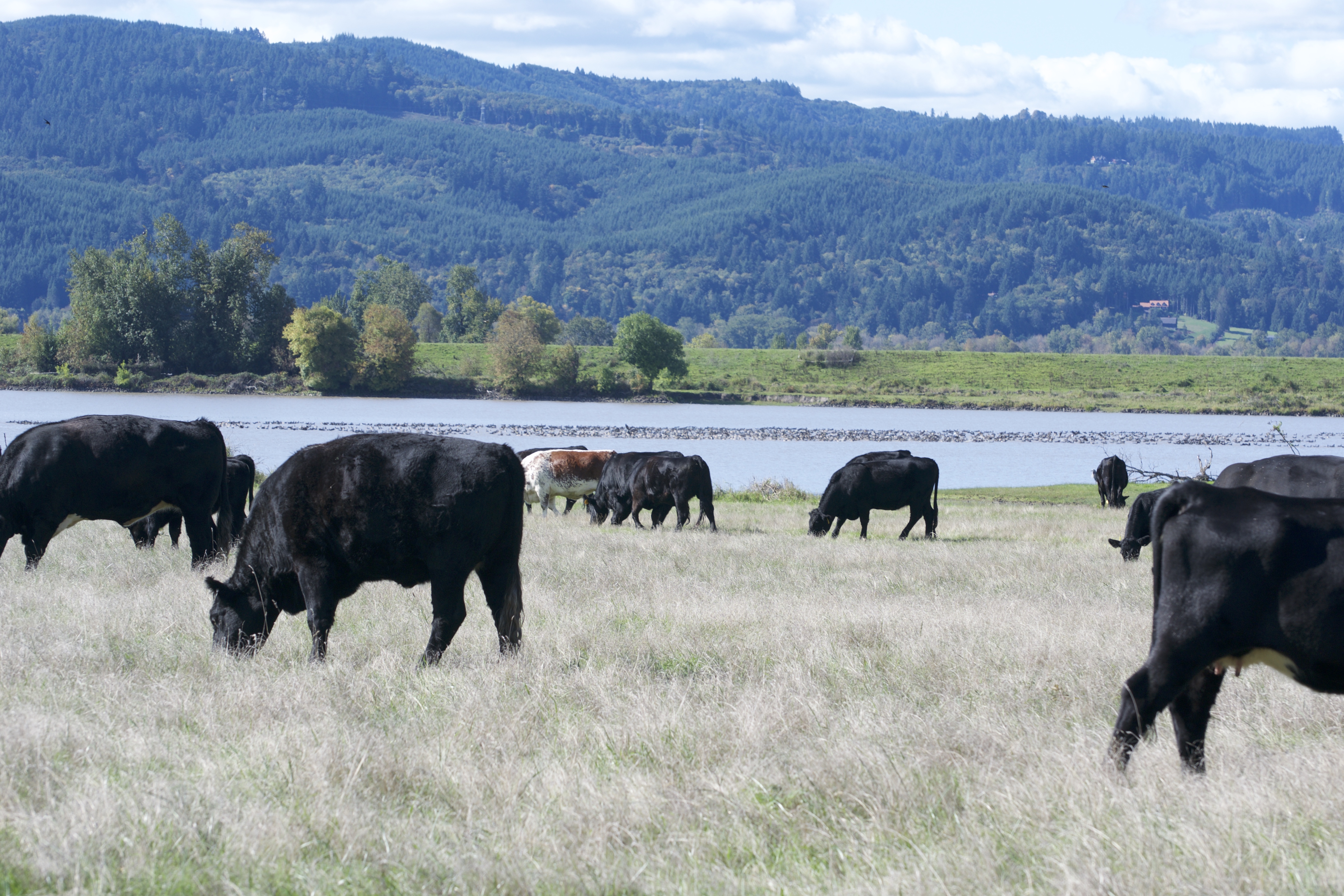
Time to regroup and visit my regular landscapes where fall has made such a sudden entrance.

My first foray into nature this week was inspired by having my body and my mind fed by two beloved friends: a mushroom soup to die for, last month, and a book recommendation last week, added to the mile-high pile of books to read: Long Litt Woon’s The Way through the Woods – on Mushrooms and Mourning.

It is a widow’s description of working through her bereavement after the sudden and untimely death of her husband by becoming an authority on mushrooms; I cannot wait to read the book which received rave reviews – the anthropologist is said to be able to explore both the world of mushrooms (a somewhat random subject matter that helped focus attention) and the emotional travels through recovering from grief with passions and humor in equal parts.

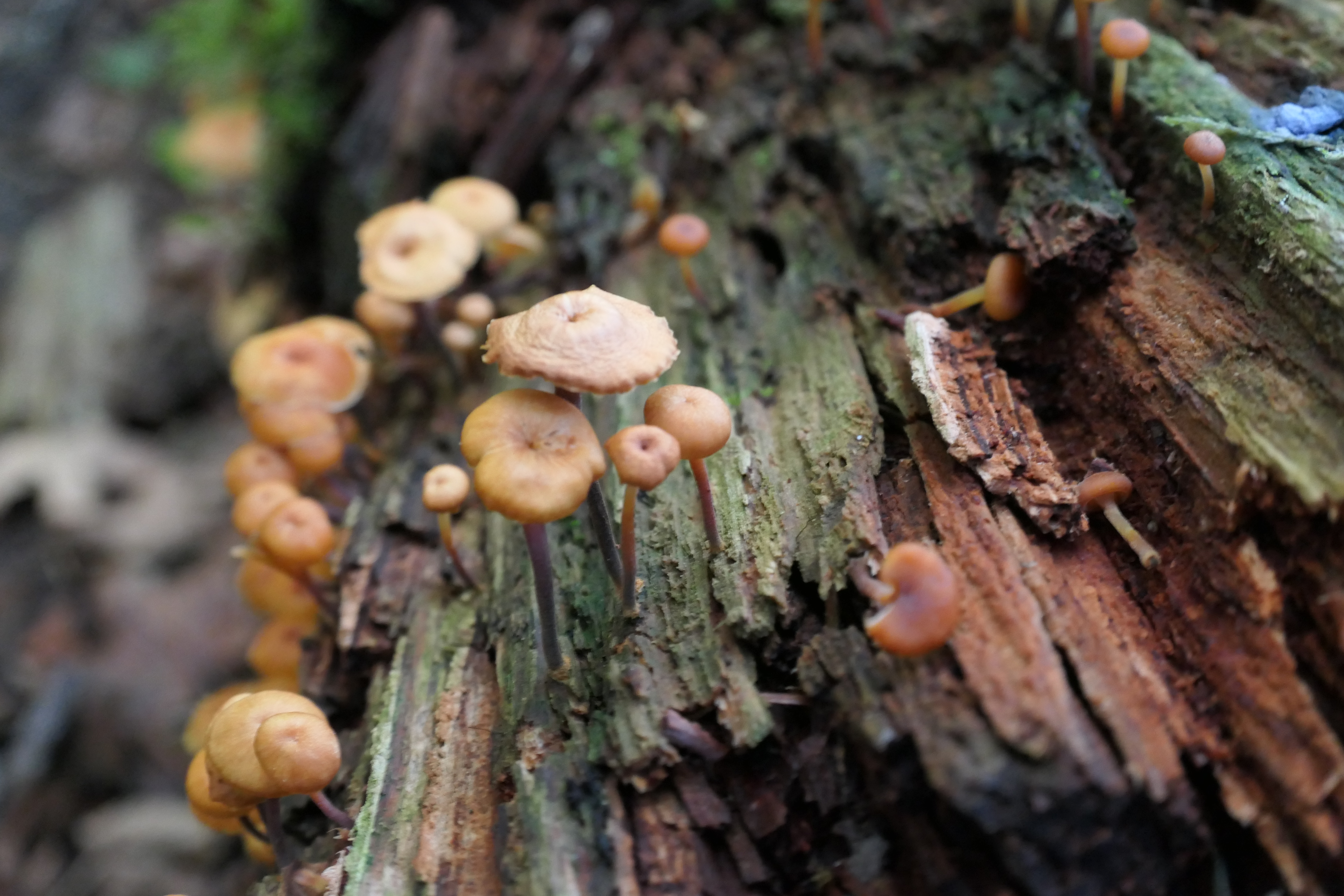
Perfect timing, too, given that mushrooms are sprouting everywhere right now, with the dampness acting as catalyst to their emergence. All the photographs (some with iPhone, some with camera) were taken in the woods in an approximate one mile radius from my house within the last 8 days. Jealous yet?

And time for some amusement as well! It arrived when I went on a hunt for the appropriate music. The first thing that came up when typing in music for mushrooms was an article titled Science says this playlist is a must listen when tripping on mushrooms. Rest assured, that is not the activity I had in mind.

“Science” turns out to be one researcher who specializes in psilocybin experimentation and therapy. Psychologist Bill Richards, Ph.D., a researcher at Roland Griffiths’s lab at Johns Hopkins University and an expert in the field of hallucinogens claims to have the perfect playlist for those using (magic) mushrooms outside of mushroom soup or other culinary apparitions.

And I quote:

“…the order of songs is vital in crafting the right atmosphere, specifically during the “onset, peak, and post-peak phases”. The onset music should “supportive, unfolding, forward-moving”, like H.R. Reynolds’ arrangement of “O Magnum Mysterium”and Edward Elgar’s “Nimrod”. But once the peak sets in, things need to slow down a bit.

“At a trip’s peak, music becomes a mirror of transcendental forms of consciousness that may not even be registered in unitive awareness, but is present if needed—like a net below a trapeze artist,” Richards says. This cocktail includes multiple inclusions from classical luminaries like Brahms, Bach, Beethoven, and Mozart, along with a few dashes from other composers from a variety of cultures.

As the trip’s effects begin to wear off, the playlist can enter a more free-form state, tagging in tracks that are more familiar and sources of positivity and inspiration to the consumer. Interestingly enough, it’s also at this very end that lyrics really make their first appearance, and there’s good reason for their absence.”

Brahms as a net below a trapeze tripper? Beethoven, the security blanket? Bach, catcher of the fall? Okayyyyy….. And where are the Russian composers, their cuisine so dependent on all things fungal? No slavic mycelium dreams?

Well, let’s listen to Russian folk music instead which, if you’re tripping, might make you trip over your own feet: https://www.youtube.com/watch?v=SZcmI8FXW38

Let’s hope the scientific research on magic mushrooms is not an echo of the musical recommendations. It is certainly sprouting in the most unexpected places – just like mushrooms – lately in Jamaica, where a Canadian start-up is trying to study everything from the genetics of magic mushrooms to how best to extract their psychedelic compounds. These goals have both scientific and financial value. And there is sure competition around: Johns Hopkins just received a multi-million dollar donation to fund psychedelic research. Part of the research is devoted to figure out if psilocybin works as a treatment for a panoply of disorders and conditions: anorexia, opioid addiction, Alzheimer’s, chronic Lyme disease, post-traumatic stress disorder, and alcohol addiction.

I will, however, not be a participant in studies at the new Center for Psychedelic and Consciousness Research……I like my brain the way it is. A champion of champignons, at times morose like a morel, inclined to trifle with truffles, a brain as mucilaginous as a mushroom cap!

Collecting wonder

“Give it a rest,” screamed my shoulder this weekend,”after a day of photographing art you should put the camera down. Nature can wait!”

I couldn’t – the wondrous landscape around me begged to be documented, for the 100th time that I’ve walked these hillsides. And also, there is always Ibuprofen…

The essay attached all the way below points to something that we should keep in mind, though: finding succor in the beauty of our surrounds should not be reserved for the awe-inspiring vistas. We should also attend to things that are small, or familiar, or habitually by-passed.

Poore’s essay riffs off Annie Dillard’s question: How blind are we? How resistant to wonder have we made ourselves, and how unaccommodating of the universe’s gifts? As Dillard phrases it: “Who gets excited by a mere penny?”

She goes on to distinguish between environmental conservation’s focus on wilderness, prized environments in distant regions, instead of applying efforts to protect what we have in our neighborhoods, on a small scale. Your garden, my yard, this little city park. The need for being astute observers rather than starry-eyed adventurers, as she puts it.

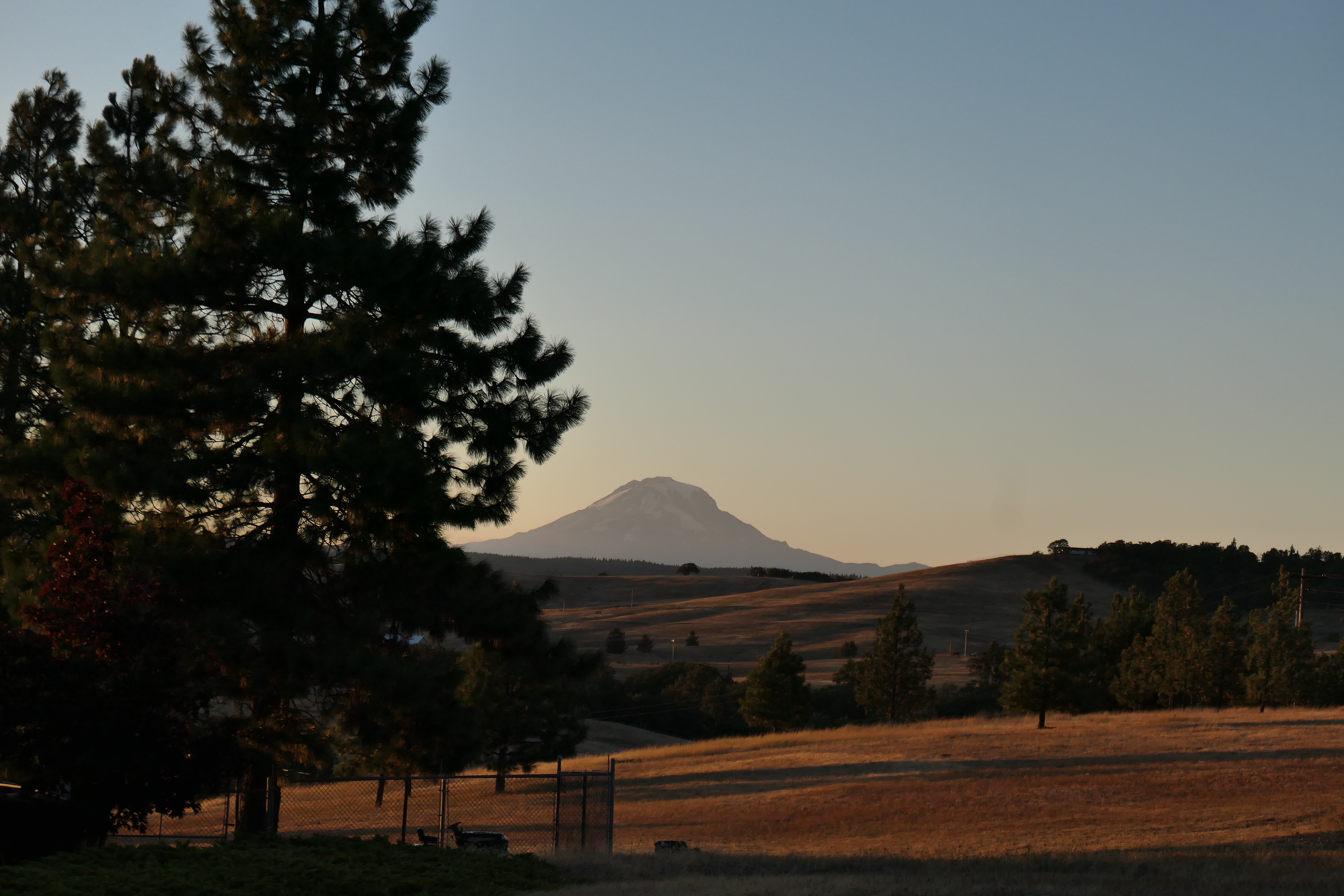
The Columbia Gorge in today’s photographs is, of course, full of grandeur, as are the views of Mt. Adams at sunset – all experienced on Saturday. But as you know, if you’ve followed my stories, I can get just as enthusiastic about the bees in my garden, or the little birds in Eastern Oregon.

From my Denizens of Climate Change series, (2017)

I truly believe it will make us better environmental stewards.

In the end, I dropped the camera after all – the sight of this mouse-catcher who appeared out of nowhere in the middle of the meadow made me laugh so hard I could not longer photograph. Shoulder was happy.

Music today is a 1943 orchestral concerto by Bela Bartok, who stayed pretty close to the ground as well, incorporating quotidian folk tunes.

Be still my Brain

In desperate need for some calming vibes I went for a long walk along the Columbia river on Sunday. Want to join me to listen to what nature had to offer, again? And again? And again?

A leaden, quiet sky. Brain starts calming.

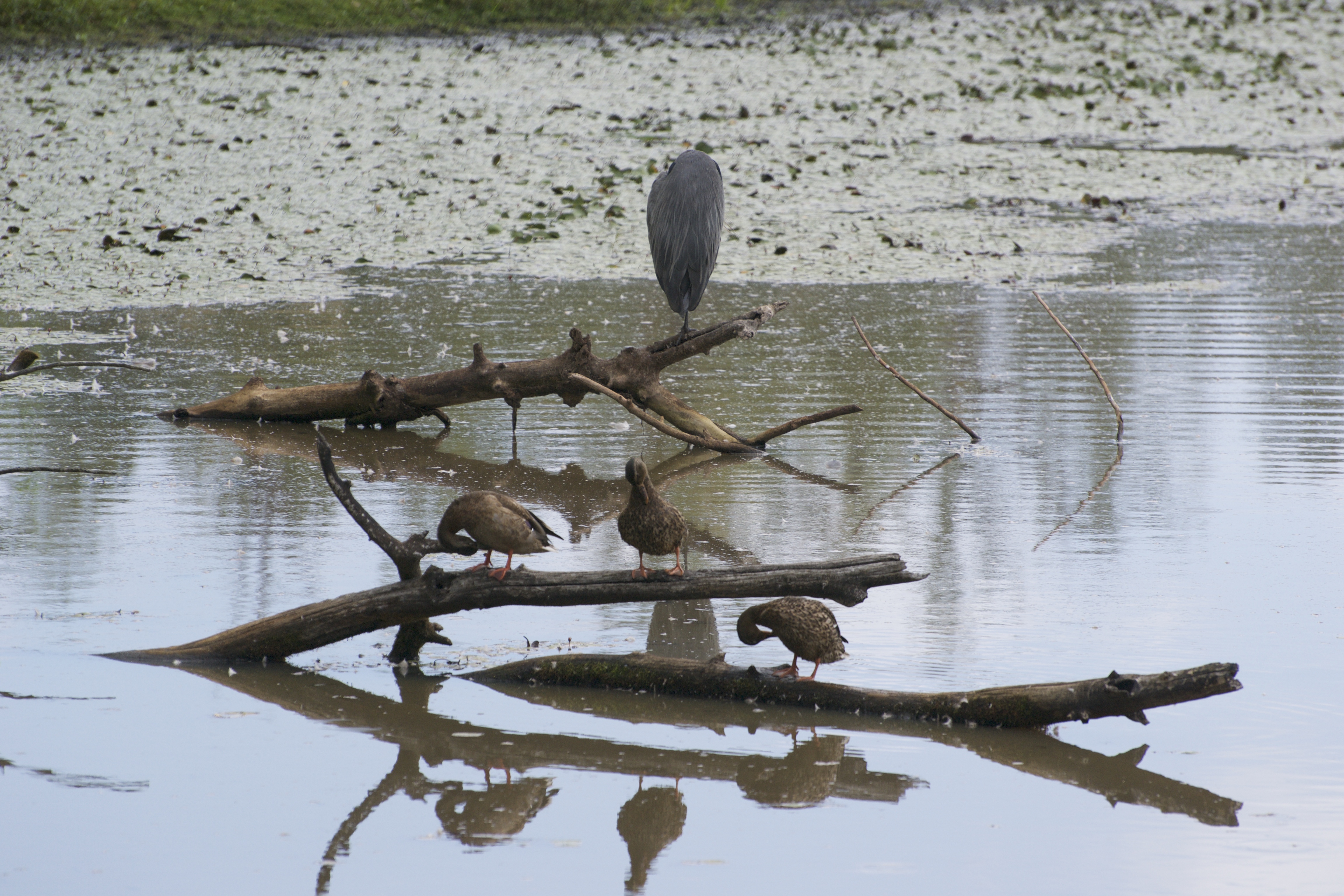
Shshhhh, said the heron, or I’ll stick out my tongue.

Shshhhh, said the nutria, need to get going…

Shshhhh, said the frogs, we are preparing for a concert

Shshhhh, said the thistles, we are listening to the wind

Shshhhh, said the shrub jay, I’m trying to focus on the berries

Shshhhh said the Kestrel, you’ll scare away the bugs

Shshhhhh said the grasshopers, we’re trying to hide

Shshhhhh said the butterfly, you don’ talk with your mouth full

Buzzzzzz said the bumblebee. There went my brain again…….

And here is a musical nature walk:

Enhancements

We used to call it a walk in the woods. Not exercising, just going out into nature. These days many refer to it as forest bathing. HUH?

The name might have changed, but the experience has not. If you attend closely to what the environment has to offer you develop a sense of connectedness to that environment.

The New York Botanical Garden, some years back, used a related approach, celebrating its 50 acre Old Growth Garden. They asked someone from the Poetry Society of America to engage those walking in the woods with real “seeing.” Poem Forest was the result.

Strategically placed lines from 2.500 years of poetry were to be read aloud, at locations that corresponded physically or conceptually to the poetry. You can find the images with the poetry lines in the article linked above. A simple way of slowing down and seeing. Maybe I should do something like this in Tryon Creek Park, the old growth paradise close to my house!

I was reminded of all this when I discovered a wooded corner of the Lewis&Clark campus yesterday, filled with little art pieces presumably left over from the students’ classes last year or during the summer. It made you stop and look, thinking about the intersection of art and nature. Gift of the day.

Here is yours: one of the best choirs in the world:

Lilies galore

Out and about in Washington County, I saw signs at the side of the road advertising a Lilyflowerfest – “the only one West of the Mississippi River!”

It didn’t take a minute to turn my car around to explore what that could possibly entail. Off I was to Parry’s Tree Farm and Nursery, located at 45627 Northwest David Hill Road in Forest Grove. Well, let’s say outside of Forest Grove, into the hills, and eventually down a gravel road. When you’ve come that far, you don’t balk at the out-of-nowhere entrance fee either, small as it is at $3.

I also think balking would not have been physically possible, even if you wanted to, given the sensory overload that occupied all of your mental and physical processing gear within seconds.

The small farm devoted two areas sheltered by netting to the display and sale of over 20.000 garden tested day lilies, oriental lilies, asiatic lilies, tiger lilies, orienpet lilies and more.

It was a riot of color. It was also an abundance of fragrance, even though not all of the varieties shown do smell. And your ears were, shall we say, assaulted by elevator music of the harp and bells kind, loud enough to interfere with thinking.

What thought was still manifest was one of the “hope I don’t laugh out loud” kind at the pleasure of both the truly wonderful display of flowers and the incongruous side-line decorations – lovingly dressed-up scarecrow types that were plopped among the floral displays. And geraniums (!) surrounding the farmer on his tractor…

Nothing but pleasure, really, including the fact that a hummingbird photobombed my photography amongst the flowers.

Here are the scientific facts about the Lilium.

I can’t grow lilies in my woodland garden which lacks sun. They would also be too showy for the rest of the flowers that congregate in small spots devoted to a cottage garden. But they surely impress with the intensity of all of their parts, from stamen size to smell to saturation of hues – a photographer’s delight.

Music today introduces Ignace Lilien – yes, the German plural of the flower’s name. A renaissance man, composer, pianist, chemical engineer and all round art aficionado, he survived the Holocaust in Holland with fake papers. I chose his song cycle – 4 songs of beggars – because of the affinity to the “lilies in the field” meme so often cited in the Bible. But I am also adding a Sonata Modern Times just because it is so up-lifting.

Dragonflies

And now for something utterly different, simply because of my chance to sit still and photograph a few dragonflies recently – and my sense that it’s been way too long since we looked at nature….

Here are some facts:

(All taken from this article here, which had a nice summary of the topic.)

1 ) Dragonflies were some of the first winged insects to evolve, some 300 million years ago. Modern dragonflies have wingspans of only two to five inches, but fossil dragonflies have been found with wingspans of up to two feet.

2 ) Some scientists theorize that high oxygen levels during the Paleozoic era allowed dragonflies to grow to monster size.

3 ) There are more than 5,000 known species of dragonflies, all of which (along with damselflies) belong to the order Odonata, which means “toothed one” in Greek and refers to the dragonfly’s serrated teeth.

4 ) In their larval stage, which can last up to two years, dragonflies are aquatic and eat just about anything—tadpoles, mosquitoes, fish, other insect larvae and even each other.

5 ) At the end of its larval stage, the dragonfly crawls out of the water, then its exoskeleton cracks open and releases the insect’s abdomen, which had been packed in like a telescope. Its four wings come out, and they dry and harden over the next several hours to days.

6 ) Dragonflies are expert fliers. They can fly straight up and down, hover like a helicopter and even mate mid-air. If they can’t fly, they’ll starve because they only eat prey they catch while flying.

7 ) Dragonflies catch their insect prey by grabbing it with their feet. They’re so efficient in their hunting that, in one Harvard University study, the dragonflies caught 90 to 95 percent of the prey released into their enclosure.

8 ) The flight of the dragonfly is so special that it has inspired engineers who dream of making robots that fly like dragonflies.

9 ) Some adult dragonflies live for only a few weeks while others live up to a year.

10 ) Nearly all of the dragonfly’s head is eye, so they have incredible vision that encompasses almost every angle except right behind them.

11 ) Dragonflies, which eat insects as adults, are a great control on the mosquito population. A single dragonfly can eat 30 to hundreds of mosquitoes per day.

12 ) Hundreds of dragonflies of different species will gather in swarms, either for feeding or migration. Little is known about this behavior, but the Dragonfly Swarm Project is collecting reports on swarms to better understand the behavior. (Report a swarm here.)

13 ) Scientists have tracked migratory dragonflies by attaching tiny transmitters to wings with a combination of eyelash adhesive and superglue. They found that green darners from New Jersey traveled only every third day and an average of 7.5 miles per day (though one dragonfly traveled 100 miles in a single day).

Bonus for nature lovers: here is one of the earliest film makers exploring the secrets of nature, dragonflies included:

https://www.atlasobscura.com/articles/f-percy-smith-nature-films

Music is two very different pieces with Dragonfly titles. Why not.

https://www.youtube.com/watch?time_continue=15&v=8aJrH3wKYvs

https://www.youtube.com/watch?v=EPUHs9cjhOs


RISD adventures

A few weeks ago I went to the museum of the Rhode Island School of Design in Providence, RI. I had never been to the state before and the city was appealing – I can only imagine how it looks even more attractive when all the college and art students are back in town.

RISD is, I think all agree, one of the best art schools in the country. The current exhibit of select members of the 2019 graduating class delivered proof of that.

The show was fresh, irreverent, thought provoking and testament to a lot of technical skill in addition to a lot of creative ideas. Works with and on paper, glass, installations, fabric arts with some phenomenal weaving, painting, and photography – all convinced. Here are some samples. (I was bad, I did not record titles and names, put it down to jet lag. Here is an overview.)

For me the most impressive work (and that name I noted) was a wall of large photographs hung in a floor to ceiling grid, all 15 seemingly depicting the same head and neck, photographed from the back. Only on closer inspection did you realize slight variations, like, for example, a different necklace, or the absence of the necklace. More minute variations revealed themselves only if you kept staring and comparing and evaluating.

Stephen Foster Azimuth 2019

Note it is the head of a Black person. The back of the head of a Black person. The fact that we don’t easily recognize people cross-racially (Whites are horrible at correctly identifying Blacks, and vice versa, and true for other cross racial identification as well) is brought home in spades. It is conveyed by the fact that we have to look really hard to proclaim they “Don’t look all alike to me.” The real-life implication are of course most painfully felt in the legal system, where mistaken identifications lead to verdicts that incarcerate innocent people.

We also, ironically, feel free or even compelled to look at the back of a head, we are in a museum after all and searching for meaning or understanding of the installation, when in real life we do not look, sometimes actively avoid looking. Staring at a person is not socially acceptable and staring at a person of a different race can be misinterpreted and lead to tension. “Made you do it!,” I could almost hear the artist muttering in the wings…

The face is never revealed, another representation of the chasm of not knowing between viewer and subject, the mostly White museum patron and the Black model. Why should he look at us when we don’t look at him?

The name Azimuth is also in no way explained. I hope it is an art history joke (it would be exceedingly clever) referring to two artists who for a short while in the 1960s published an art review called Azimuth and ran a gallery called Azimut. For these two, Piero Manzoni and Enrico Castellani, White was central to their art, in color and materials. 4 years ago an exhibit at the Peggy Guggenheim Collection in Venice revived the work. (Details here.)

In any case, I had a blast being challenged by this work. The photographer is surely a young man we do want to keep an eye on – his ships will come in.

Weaving by one of Foster’s class mates.

Music today shall be by offspring of the city of Providence: a Roomful of Blues

Fraught Freight

With the oil boom in North Dakota and the extraction of Canadian tar sands, shipment of crude through the states of Washington and Oregon has increased by 250% since only a decade or so ago. Last year Oregon alone saw 19.000 of those tankers on mile-long oil trains pass through, and much of it ends up in Portland at a terminal owned by Zenith Energy. Here the crude is unloaded into massive storage tanks and later pumped onto ships bound for refineries and factories. (An informative article about the problems with this can be found here.)

View of Mt. Hood

The Columbia River Gorge is the key route for oil transport moving through the Pacific Northwest. You have as many as 18 oil trains a week – and no one is fully prepared for action against toxic inhalation hazards or worse, catastrophic accidents, particularly since the oil moving through WA and Oregon is unusually volatile. The railroad companies responsible for the trains have had accidents elsewhere, in North Dakota and Alabama, and of course we got our first warning with what happened in Mosier, OR in 2016, when a Union Pacific oil train derailed, catching fire and spilling a small amount of oil into the river during salmon migration.

View of Mt. Adams

I thought it was time to remind ourselves of all this when I heard that the house legislature passed a spill planning bill (House Bill 2209) on Monday. The bill had been delayed for years by corporate money in politics while other West Coast states have long taken action. It now allows the state to levy two fees to fund plans for spills.

What happens to amateur identification with a sieve as brain – best guess: buckwheats and desert parsley

For an oil bill it is still pretty watered down:

“The bill requires railroads to prove they carry enough insurance to pay to clean up a worst-case spill in Oregon. It defines a worst-case spill as 15 percent of a train’s load — far less than spilled in the worst spill to date.”

But at least it contains no secrecy provision:

A few months after the tanker cars overturned in Mosier, Union Pacific wrote a check for $5,000 to then-Rep. Mark Johnson, R-Hood River. When oil spill legislation came up in 2017, Johnson introduced an amendment Union Pacific wanted: to keep any spill plan secret. That bill died after The Oregonian/OregonLive and Oregon Public Broadcasting reported on the unique secrecy provision.

Lupines
Rock Penstemons
Small Sunflower
Windflower

————————

Here is once again the trailer to the documentary film I am involved with as a set photographer about the dangers of crude oil extraction and transportation, and the ways progressives are trying to tackle the issues in court.

Indian Paintbrush
Pink Phlox
Mariposa Lily
Campion and Larkspur

And to drive the point home to what is at stake if explosions start fires, photographs today are from a gorgeous hike near the Columbia River on Sunday, up to the Monte Carlo ridge. (Alternative routes can be found here.)

And in our irony department, here is a beautiful set of songs by Woody Guthrie commissioned by the Bonneville Dam administration for PR….

Urban Urchins

A like for wide-open, grassy spaces near water. A preference for, yes, blueberries. Fidelity for life, with a mate chosen to match your own size, more or less. “Gang”broods, where several young ones of different families cluster together guarded by one or two adults. And, last but not least, an increasing affinity for life in urban spaces.

Geese, of course.

I met them yesterday in downtown Portland, resting on the sidewalk, until it was time to go foraging on the lawns of the Esplanade. They like grassy areas to be as open as possible so that they have an unobstructed view of predators while munching on the grass which they can miraculously digest.

The product of that digestion, alas, is one of the nuisances of the increasing goose populations in cities: 3 pounds of poop per goose per day. Shall we say it adds up…..

Aggressive, territorial behavior when it comes to nesting season can be another problem. Most dangerous, though, is the possibility that these geese create traffic accidents, including the potential for colliding with airplanes with catastrophic consequences.

Why are they around? Turns out not for the food – foraging in cities is less productive than in the fields or other less built-up places.

It is for safety. 2.6 million geese are “harvested” by hunters annually in North America, as the Cornell Lab of Ornithology put it so delicately. That’s out of a population of approx. 4.2 million. Obviously they’ve heard the news that they won’t be shot dead in cities. Or not at that rate, anyways. It also keeps them warmer – survival rate for geese in Northern cities is 100% compared to their counterparts roaming the wild in winter – 48% do not make it. (Birds for the study cited above, by the way were lured with Honey Nut Cheerios to be tagged for observation – I guess their all time favorite blueberries were too expensive….)

Man, the little ones are cute though, particularly when they unblinkingly stare back at you practically walking across your feet:

As were their human urchin counterparts, busily trying not to let go of the rope……

Music today is one of my all time favorite renditions of the Children’s Corner by Pascal Rogé, in honor of the young one’s facing a life in an ever more dangerous world.

May we learn to share space and protect each other.