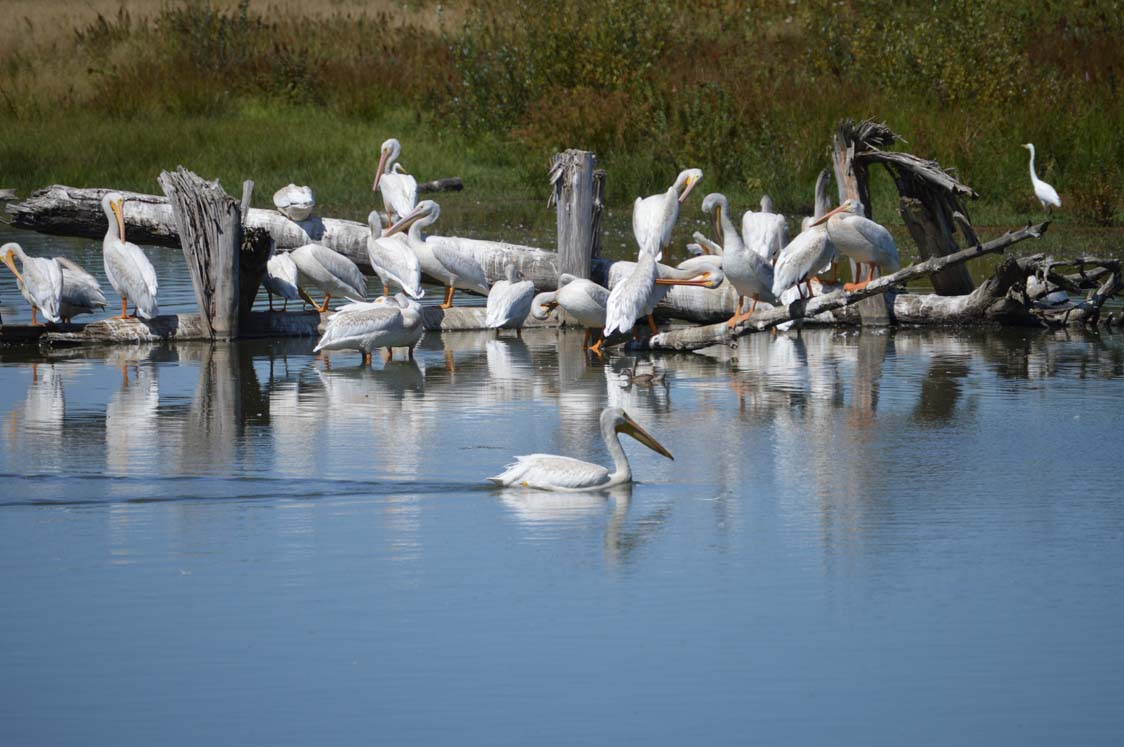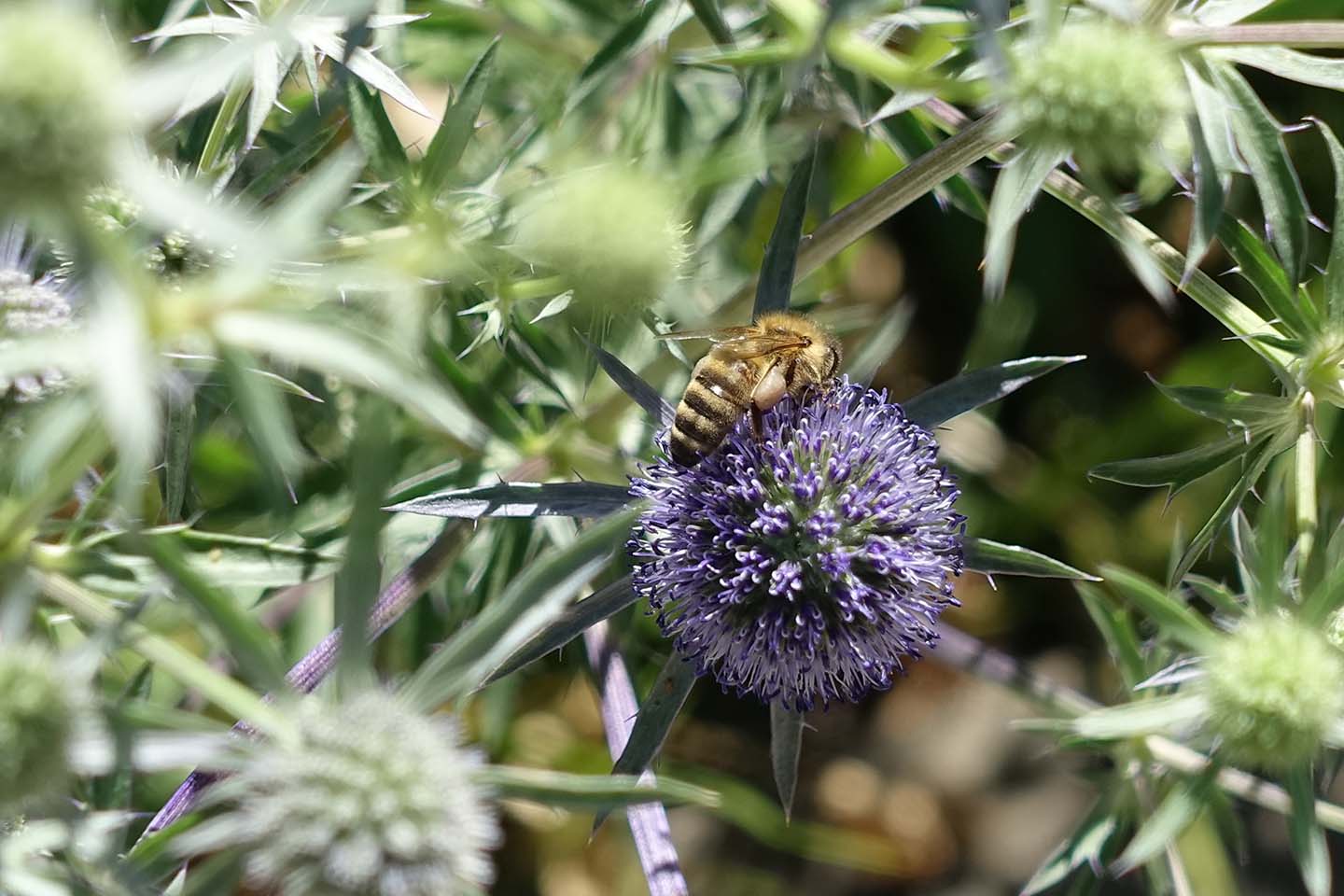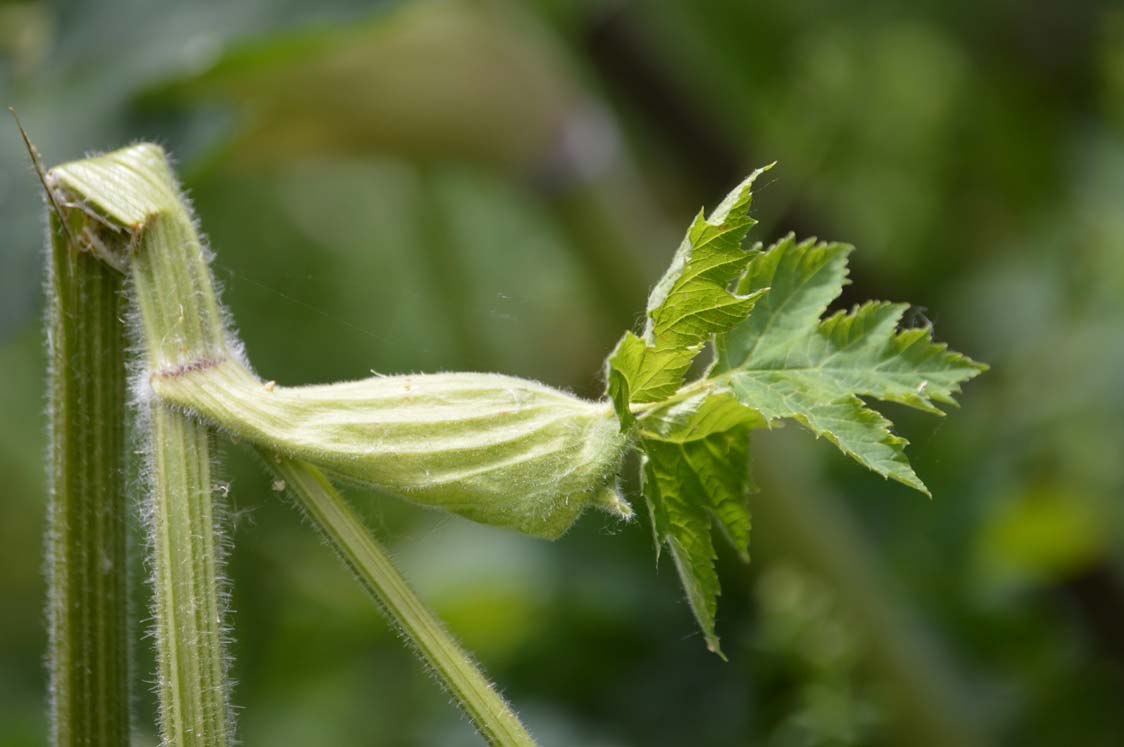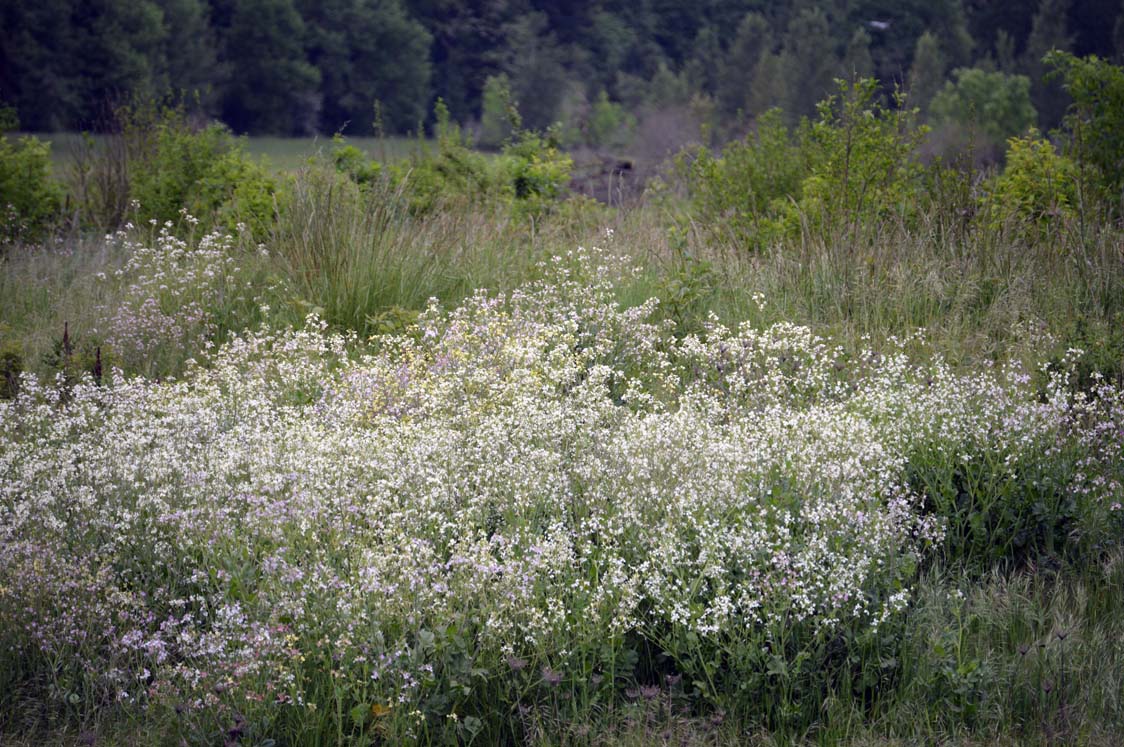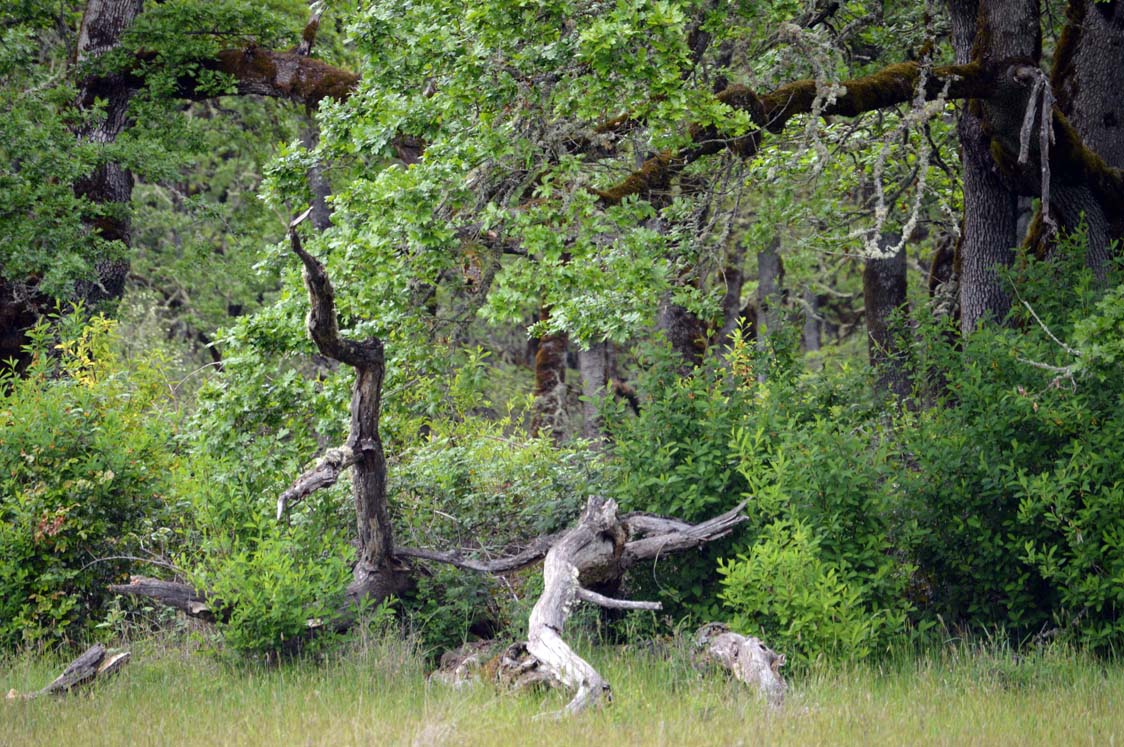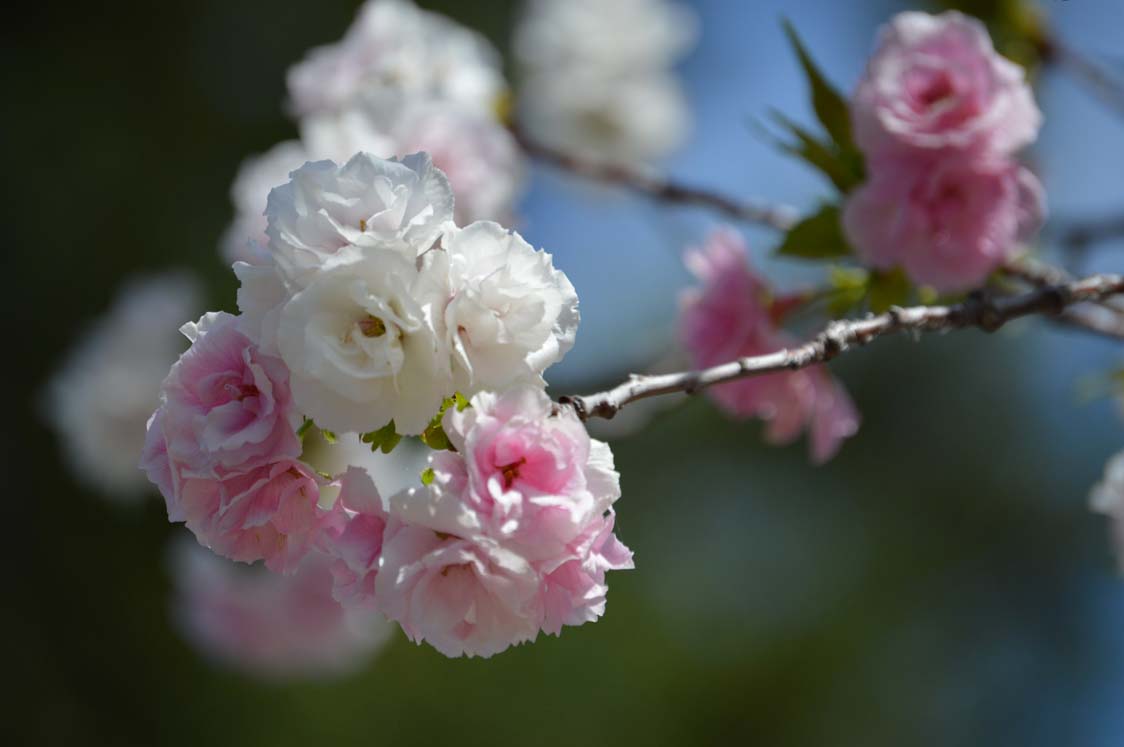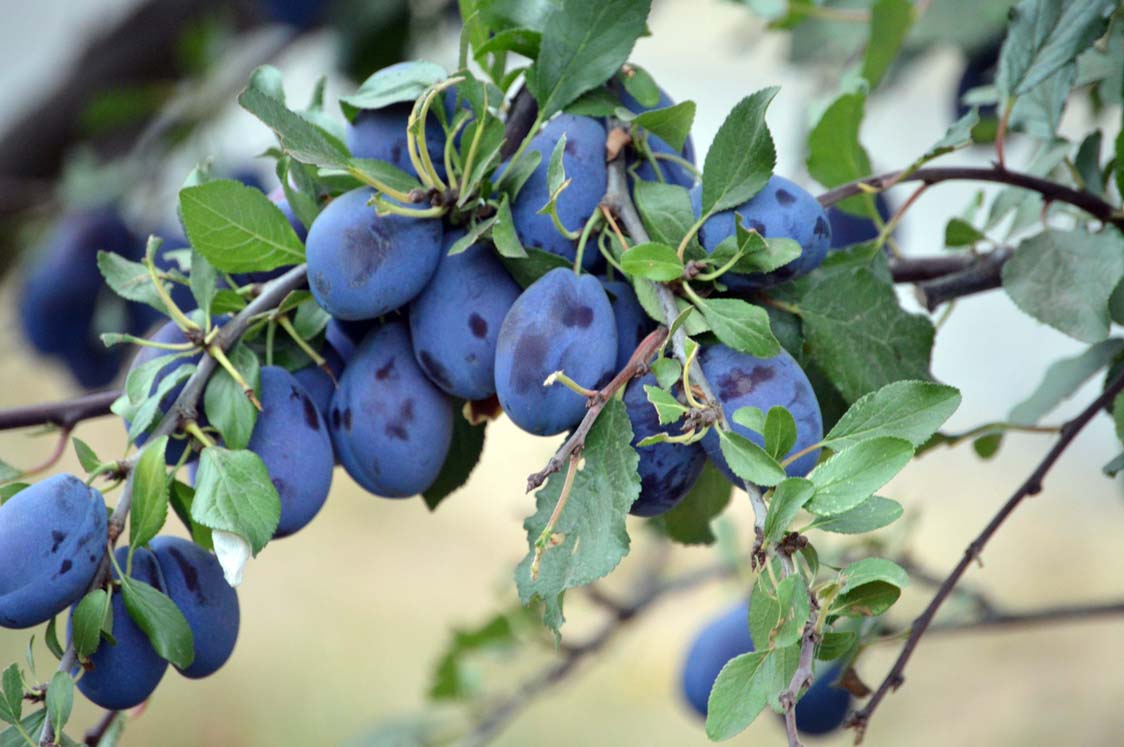
The weather has made it possible, nay, required, to be out and about lot. Last week I went on several walks, one of which was meant to visit the birds but I encountered an explosion of wildflowers instead.
Nothing particularly special – everything particularly beautiful in its unassuming presence.
Which had me thinking again about how artists portray flowers, from the early botanical sketches that served as tools for learning about the plants of the world and their function,
to the symbolism contained in medieval paintings or Victorian floriography, speculations about the secret meaning of flowers.
You can see it in the pre-raphaelites painters: Lawrence Alma-Tadema, for example, rendered the tragic tale of Emperor Heliogabalus watching his guests suffocate under a shower of rose petals (in the old story they happened to be violets – death by flower, who knew….). The artist chose the species specifically for its association with corruption and death, but the subject, I wager, for the ability to paint something big….
Lawrence Alma-Tadema The Roses of Heliogabalus (1888)
It seems to be never enough to just depict a simple flower as is, in an attempt to convey the sense of joy it inspires, hanging out in the meadows, at the forest borders, in modern times as well.
Photographers choose particular flowers that lend themselves to an emphasis of form, stark contrast, like Imogen Cunningham’s calla lilies or magnolia blossoms, abstracting an essence. If they do photograph less defined flora, they often apply post processing filters to give the image a mysterious hue.
Imogen Cunningham Two calla lilies (1920)
Edward Weston Purple leaved flower
20th/21st century painters go big – man, everyone always goes big these days, abstracting the plants or unifying them to the point of un-recognizability.
Real daisy meadow…
Takashi Murakami Field of Smiling Flowers, 2010
And then there are the installations using actual floral parts, either collected over time, or grown into absurd topiaries…. again, nothing won’t do unless humongous. (I was introduced to this work by an article asking: why did Jeff Koons make a giant puppy? I, too, wonder about that…)
Jeff Koons Giant Puppy (1992 to present )
Even one of my favorite contemporary artists focussed on nature joins the trend (I will write about him and his work one of these days in full).
herman de vries 108 pound rosa damascena at the 2015 Biennale Dutch Pavilion
Don’t get me wrong – there is a meaningful place for large works, no doubt. An important place. But the tendency to use subjects that are small and make them big in either size or accumulation seems to imply that that is the locus of awe – when really it should be felt when you encounter the miniature version indefatigably sprucing up the landscape under natural, often adverse conditions.
I fear that the preoccupation with spectacle really leads to a withering of our ability to detect, appreciate and protect what is small. Just like wildflowers being classified as “weeds” had to make room for more showy varieties, or blossoming meadows were replaced by spectacular lawns, truthful depictions of something unassuming gains no attention when placed next to artificial elevation of a subject.
Give me a tiny aster anytime…. and give me depictions in a format that I can take home, hang on the wall, enjoy every day as a reminder of the reality of beauty in the world, and my role as its steward.
Yesterday, the plan had been to write about various ways to reform the Supreme Court after the disastrous partisan decision making of the last years, usurping legislative power without accountability to the people. There are more, and interesting, suggestions beyond the proposals to enlarge the court or to limit the years of tenure in the wake of eviscerating the Voting Rights Act. But I found it too depressing to think that that the political will is too weak for radical restructuring. It would also require election majorities that are right now uncertain given the election interference and manipulations, by, among others, the very Court we are talking about. I could not stomach it.
Give me some green.
All I wanted to do was walk for so long that fatigue would overtake worried thinking. Walk I did.
Marvel, too. It was just too beautiful. Flowering everywhere.
Romantic vistas.
Water like marbled paper.
Birds not far behind.
Including a bald eagle that landed smack in front of me, checked out what’s for breakfast, and then swooped away to find more optimal hunting grounds.
So, all the content you get today, is pictures. And a reminder to be careful with language when you detect invasive plants on your walks or in your garden. Here is what I read from the Center for Plants and Culture, on of my favorite websites ever. ( Text copied below since I want to walk walk walk again today as well):
“Plants are not inherently invasive. They can become problematic when introduced into ecosystems—particularly when human activity alters those ecosystems in ways that favor spread and impact. Therefore, calling a plant an “invader” doesn’t just misplace the blame—it can also shift attention away from the human conditions that created the problem in the first place.
Walk with me, back to our old haunts, Oak Island in full spring regalia.
Before you can even appreciate the views, another sense is stimulated: clouds of sweet hawthorn blossom-scent waft across the meadows. So many of those trees in bloom, predominantly white, but a few pink ones sprinkled in here or there.
The oak trees are leafing out, some of the fresh leaves still uncoated by the least amount of dust. They reflect the light, shining golden green.
Colors are intensified by a grayish sky, providing a terrific contrast effect.
Dog roses embrace trees.
Cherries are already setting fruit, but otherwise blossoms everywhere.
Some old apple trees,
and friends,
and myriad wild flowers, Camassia Quamash among them sprinkling the grass with sky blue.
And of course hawthorn everywhere, sometimes veering on pink.
The waters are still, the occasional carp jumping, robin unperturbed by the splashes in the water.
The woods had a fairy tale quality, including rings nourished by cow droppings.
I feel so thoroughly gutted by Wednesday’s Supreme Court decision eviscerating what was left of the Voting Rights act, that I don’t have it in me to write much until my rage settles. I will link to a couple of smart pieces, though, that will lay out what we are now facing without too much jargon or getting into the legal nitty gritty.
Here is a gift link to Adam Server in The Atlantic.
Here is Leah Litman, one of the most astute court observers.
And here is an NYT timeline of the Voting Rights Act.
It didn’t take 24 hours for the fallout to emerge: Mississippi and Alabama announce that they will eliminate their Black majority districts. Louisiana is literally suspending their primaries to draw more racist maps. The legacy of MLK Jr., John Lewis and so many others who fought for and paid a bloody price for the ability to vote and be fairly represented all down the drain courtesy of the Roberts Court. With the most disingenuous rationale, they are ushering in a period of drastic reduction in minority representation in the name of equal protection. Perverse.
Some things to bring potential cheer towards the end of the week:
There is a closing reception for the photo exhibition “Lloyd Center Journal”, at the gallery of PLACE, 735 NW 18th Ave at Johnson St. Regular Viewing Hours: M-F, 10-6. If you are in town this Friday, 5/1, you are invited to the Closing Reception from 5:30-7:30 pm, with Artist Talk (Horatio Law at 6pm), and guest speakers Tanya Gossard of Slabtown Tours and Norm Gholston of Architecture Heritage Center (6:15pm) on the history and architecture of Lloyd Center. (Quick reminder: this Friday we are called not to shop or work as a form of protest against what is raining down on this nation.)
On Saturday is the opening reception at the Columbia Gorge Museum for Indelicate, a new show of works around women’s roles in service to a society that wanted them stay at home. Featured are actress, writer and artist Jessalyn Maguire, and Sonia Kasparian, fashion designer and artist from Season 17 of “Project Runway. I have not yet seen the exhibition but look forward to exploring it at a later point.
May 02, 2026, 6:00 PM – 8:00 PM
Columbia Gorge Museum, 990 SW Rock Creek Dr, Stevenson, WA 98648, USA
1100 kilometers on the road in the car by myself. A lot of time to think, and a lot of occasions to stop, stretch my legs and feel awe for the beauty around me.
At this time of year, central California is a riot of color, before the drab of drought sets in. Blossoming oleander lining the median of the highway, fruit trees in bloom, and every where the brilliance of mustard plants. Their yellow against the blue mountains on the horizon reminded me of the war in Ukraine, with another spring under assault, no end in sight. The impunity of those declaring war, the suffering of those forced into it, betrayed even by former allies.
Fire towers everywhere. Birds were searching for grubs, meadows in yellow and purple, again the color combination forcing me to think eastwards. Enough, I decided, let’s get distracted by some surely apolitical site, an abbey built by and for Cistercian monks. Hah! Leave it to me to find the politics there as well….
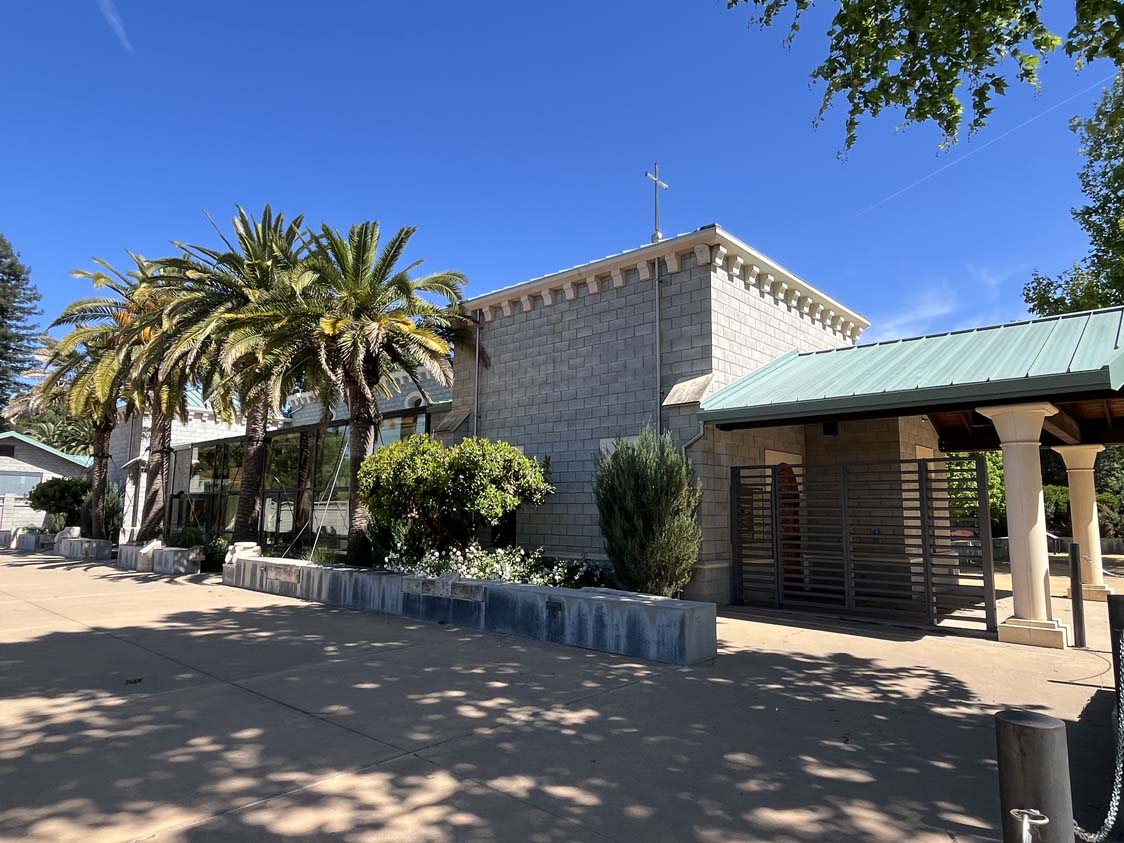
The Abbey of our Lady of New Clairvaux is located in Vina, California. The small hamlet is close to I-5, and attracts thousands of visitors annually mostly because of the New Clairvaux winery operated by the monks. I did not visit the winery, but drove through the vineyards and beautifully planted and maintained grounds up to the church nearby.
The visitor is greeted by a sculpture outside the church doors that signals strong “Take the baby, Joseph, I’m late for my shift!” vibes. Just kidding, it is of course a representation of a savior offered to the world, beautifully rendered. Surprised me, though, since the core tenet of Trappist monks, as I understood it, was to pray in surrounds bereft of ornamentation, stained glass and sculptures included.
It turned out that you can only enter the church between 2:30 pm and 5:00 pm, the only time not devoted to different chapters of prayer service. But seeing it from the outside was worthwhile the detour, once I learned the history of its construction.
In 1955, Father Thomas Davis, abbot of the newly-founded abbey of our Lady of New Clairvaux, noticed piles of stones in San Francisco’s Golden Gate park, which turned out to be the original building blocks of the Cistercian Monastery of Santa Maria De Ovila located in Trillo, Spain. The abbey had been abandoned for over 150 years and at times used as animal shelter. (I’ll get to how they got there in a minute.) After much historical research, documentation and architectural planning, the stones were brought by 19 trucks to Vina and used for restoring the abbey in the 1990s.
About 60% of the stones could be salvaged. A quarry in Texas delivered what more was needed for the building, and to reinforce the structural integrity of the original stones, which were made in 1181, architects used concrete blocks. That also checked the requirement to be earthquake proof. I obviously missed seeing the ancient stones on the inside, given the visiting hours, but some of the remaining ones are incorporated into the landscape outside the building, much to the photographer’s delight. You can read more about the specifics and the general philosophy behind Cistercian architecture here.
How did the original cloister stones get to San Francisco? A tax-evading millionaire, of course…
It turns out, William Randolph Hearst had shipped the stones from Spain to incorporate into his estate in Wyntoon, in the remote Siskiyou mountains in Northern California. He believed these historical elements would sufficiently reflect his wealth and taste for the extraordinary. It cost him $97.000 in 1925 to buy the monastery, shipped to San Francisco after dismantling in 1931. They were given to the city as tax abatement. Who cares about historic artifacts, spiritual ones no less, dumped into the maintenance grounds of a park….
Cue the “loot or buy up foreign artifacts and antiquities” debate? Not today.
“The world has always been run by rich men. The robber barons of the Gilded Age were known for their ruthlessness in the accumulation of wealth—hiring Pinkertons to shoot striking unionists. But they directly engaged with the world around them, using their wealth and power to muscle it into its most profitable form. And although today’s billionaires are clearly manipulating society to maximize their own profit, something else is also happening—a disassociation from the reality of cause and effect, from meaning and history. These men no longer feel the need to change the world in order to succeed, because their success is guaranteed, no matter what happens to the rest of us.”
I am back home now, tired, happy. Spring has arrived in Oregon as well. Soon we’ll walk together through familiar haunts! First I need to sleep for a week or two, though….
–Nerve/Effrontery//Bile//something bitter to endure//bitterness of spirit : Rancor// an abnormal outgrowth of plant tissue usually due to insect or mite parasites or fungi and sometimes forming an important source of tannin see gall wasp illustration//a skin sore caused by chronic irritation// a cause or state of exasperation.
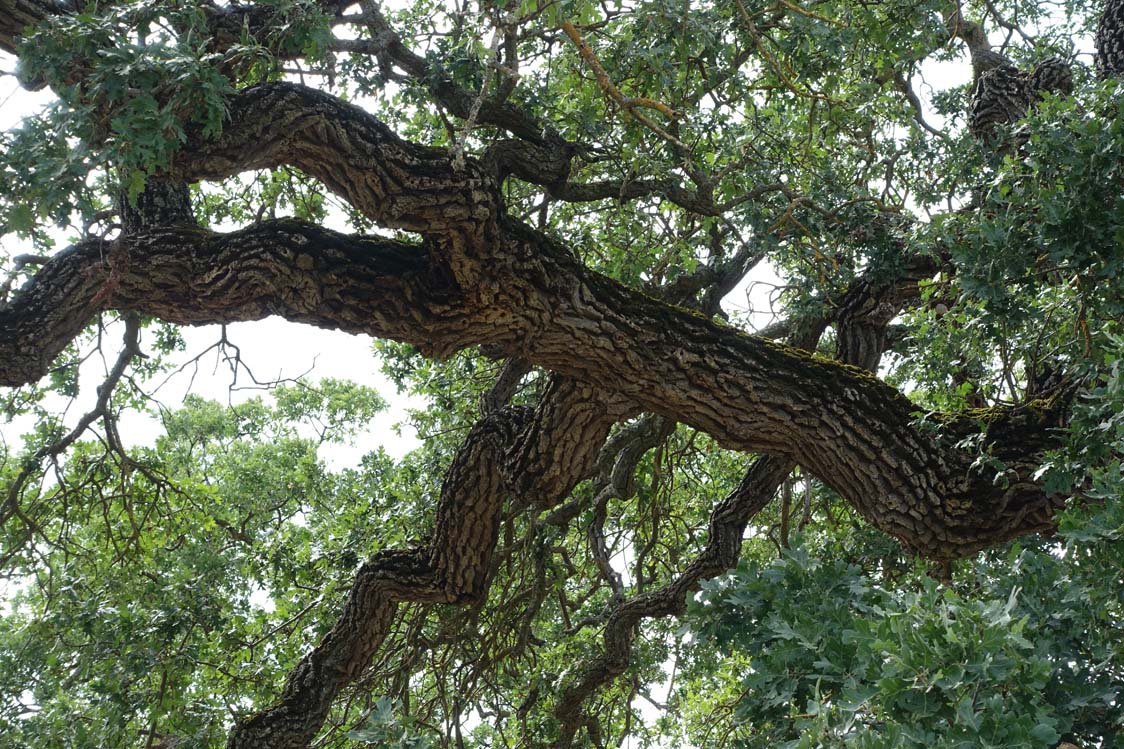
Last weekend a severe rain storm hit the Bay area. I found large numbers of oak galls under the trees during subsequent walks. The Diablo Mountain range is full of healthy oaks, not yet hit by oak wilt, the fungal disease ravaging the eastern parts of the US.
The funny, apple-like appendages you see on oak trees during spring and summer,
and then on the ground later in the season, are actually small temporary homes of wasps.
These tiny wasps use certain chemicals mimicking growth hormone to induce growth on the leaves and branches of oak trees, reminiscent of tumors, but not really harmful. There are many species of these gall wasps (800 in the US alone), and they all produce different kinds of galls, often on the very same tree.
The larvae use the galls for shelter and food, and eventually the fully formed wasps bore holes into the wall through which they emerge. Their reproduction is pretty nifty, too:
“Many species have alternating generations, meaning all of the adults emerging from galls during one time of the year are female-only, while the adults emerging in a different season have both males and females. Most species have females that can reproduce using parthenogenesis when they emerge by themselves. This means that their eggs are essentially clones of themselves. What’s more, some species appear not to have any males at all.” (Ref.)
The galls sustain a large ecosystem of birds and ground mammals, but also had their benefits for humans. People have used them to make indelible ink for more than 1400 years. If you squash the pulp of galls and add iron sulfate ((FeSO4) and mix in a binder, usually gum arabic, you get a grey ink that will eventually darken to a purplish black. Use was widespread, and often specified by law: Great Britain and France specified the content of iron gall ink for all royal and legal records to ensure permanence. The United States Postal Service had its own official recipe that was to be used in all post office branches for the use of their customers. In Germany the use of special blue or black urkunden- oder dokumentenechte Tinte or documentary use permanent inks is required in notariellen Urkunden (Civil law notarylegal instruments) (I am told by Wikipedia).
I’d rather think about the beauty of those structures, here on my last day in California. And the poetic response they elicit, with so many subtle meanings of the term added, the bitterness of bile, the gall to spit out endless vitriol…
GALL
Those from Aleppo were bitterest, yielding the vividest ink. More permanent than lampblack or bistre, and at first pale grey, it darkened, upon exposure, to the exact shade of rain-pregnant clouds, since somewhere in the prehistory of ink is reproduction: a gall-wasp’s nursery, deliberate worm at the oak apple’s heart. We knew the recipe by heart for centuries: we unlettered, tongueless, with hair of ash, the slattern at the pestle, the bad daughter. But all who made marks on parchment or paper dipped their pens in gall, in vitriol; even the mildest of words like mellow fruitfulness, of supplication like all I endeavour end decay equally in time with bare, barren, sterile; the pages corroding along all their script like a trail of ash (there is beauty in this) as the apple of Sodom, the gall, turned in the hand from gold into ashes and smoke.
At least that’s the assumption. To make sure it stays that way, you might want to add your voice to the chorus. Tomorrow, 3/28, is another day of planned marches and gatherings. You can read up on what it’s all about here, and find a convenient location near you here.
I will be out under sunny California skies, with blooms wherever you look and the occasional bluebird visiting. One might forget for a minute that we are bombarding other countries, spreading death and destruction. Then again, making our voices heard against the policies of the day might be a good reminder of what we stand for and/or fight against.
The next day we can resume our usual daily walk again – oak leaves still in soft green, grasses blossoming.
Bees on ubiquitous lavender in front yards,
and flowering bushes and trees everywhere.
Cherry and plum blossoms almost gone. The early heat wave here contributed to that.
Not the most gripping title, I know. But that is what happened during a walk yesterday, a walk that you would have surely enjoyed for the views. The plan had been to go on some more distant photo adventure with my friend Ken. Had to scratch that because I did not want to expose him to my lingering cold during a long car ride.
Mt. St. Helens
Mt. Adams
Mt. Hood
So I went to walk closer to home, looking at the mountains from afar, immediately roped into thoughts about – you guessed it – our assaults on climate commitments. We are in the middle of a snow drought, with abnormally low levels of snow, predicting high dangers for the upcoming fire seasons, and generally poor water conditions which affects fisheries and agriculture.
Spring arrives early, wild currants blooming.
Instead of leaning in to protect the common good and avert the worst climate disasters, we learned that Trump is to repeal the landmark Climate Finding in a huge regulatory rollback. The administration is trying to get rid of the “endangerment finding” — the scientific investigation that led the EPA to conclude that climate change is dangerous to humans, with six greenhouse gases posing a threat to public health and welfare. It could also include the repeal of federal regulations on planet-warming emissions from cars and trucks. The Trump administration is also separately moving toward repealing all climate regulations for power plants, the second highest-emitting sector of the economy. Trump’s press secretary proudly touted this package as the largest deregulatory action in American history.
My thoughts jumped from dismay about the accumulation and maximizing profits (what this is all about) to disgust about the sheer cruelty of it all – the reckless endangerment of communal health. Morbidity and mortality are all going to rise, all affecting the poor, the very young and the very old disproportionately. Had me thinking about kids again and the most upsetting thing I read this week.
ProPublica had an in-depth report about kids in detention camps. Thousands are detained with their families, some close to a year, although a long-standing legal settlement generally limits the time children can be held in detention to 20 days.
Missing out on education? “School” classes allow only 12 students of mixed age groups and last for just one hour. Slots are assigned on a first-come-first-served basis and staff leading the class distribute handouts and worksheets to those who made it inside.
Age appropriate nutrition? Food comes with worms and mold, and repetitive meals with portions too small, so that adults go hungry and often take from kids. Water is unclean, toilet facilities unspeakable. Rooms, with metal cots, are overcrowded, some holding up to 20 people. Extreme cold has them suffer.
The biggest complaint is the lack of appropriate medical care. People are constantly sick, measles are spreading. Legal representatives declared in court that more than 700 complaints since last August noted that children with medical problems frequently experience delays, dismissals, or lack of follow-up. Even after hospitalization, denied for so long that babies develop additional diseases like pneumonia, children returning to the camps are refused follow up medication.
Here are letters written by interned children – I guess your first reaction, like mine originally, is to not want to read, given the sense of sadness and helplessness in general, with no capacity for more. But I beg you, be a witness. It will be coming to somewhere near all of us: Federal records reveal ICE is secretly expanding into 150+ facilities across nearly every state — many near schools, medical offices, and places of worship. DHS asked the General Services Administration to hide lease listings and bypass normal procedures – you wonder why.
Thoughts jumping from greed to cruelty to amazement at the natural beauty around me, still accessible and open to all. That, in turn, led to thinking about National Parks, severely impacted by financial cuts on all levels. On top of it, the Trump administration has ordered the National Park Service (NPS) to remove historical signs at at least 17 national park sites across six states that we know of, including one at the Grand Canyon and another at Glacier National Park. The former referenced the displacement of Native Americans, the latter how climate change is contributing to glacial loss at the park in Montana. A sign was removed at Big Bend National Park in Texas, that referenced geology, fossils, and prehistoric history, some of which were written in both Spanish and English. In Wyoming’s Grand Teton National Park, officials also removed a sign referencing Native American history.
The National Parks Conservation Association (NPCA) says that the removals are an attempt to erase history. The Sierra Club is suing the administration for refusing to disclose how the sign removals are being carried out. A librarian led organization, Save our Signs, is collecting photographic evidence of the signs out there, so that we remember what they said before removal. Here is their website.
“To all your readers, please go out and collect photos of signs at National Parks before they are removed, to help us all collectively remember our history – the good, the bad, everything.”
SOS hosts an online database archiving photographs of all sign removals. The group also asks NPS visitors to submit photos of empty spots where signs used to be and of creative responses, like protest art, that have been put up where NPS signs were removed.
So if you are traveling farther than I am currently, you know what to do! The only sign I’ve come across the last days was this – I approve this message!
And in honor of the plastic duck I saw yesterday among all the real birds here is TajMahal…
Looking at the wondrous waterfalls and an old, abandoned house at the White River in WA earlier this fall, I was reminded of Bishop’s poem Song for the Rainy Season. The poem’s short lines and enjambment establish a kind of breathless rhythm, matching my breathless climb back up from the river, once I had explored the ruins. The poet describes the beauty of a wet landscape with a home embedded within, in the tropical forests of Brazil where she lived for some 15 years. The rainy season has arrived here in the Pacific Northwest and adjacent High Desert regions as well, and before you rush to wish for a return of the dry, read the 6th stanza. Some of the magic and coloring will all dry up….
Song for the Rainy Season.
Hidden, oh hidden in the high fog the house we live in, beneath the magnetic rock, rain-, rainbow-ridden, where blood-black bromelias, lichens, owls, and the lint of the waterfalls cling, familiar, unbidden.
In a dim age of water the brook sings loud from a rib cage of giant fern; vapor climbs up the thick growth effortlessly, turns back, holding them both, house and rock, in a private cloud.
At night, on the roof, blind drops crawl and the ordinary brown owl gives us proof he can count: five times–always five– he stamps and takes off after the fat frogs that, shrilling for love, clamber and mount.
House, open house to the white dew and the milk-white sunrise kind to the eyes, to membership of silver fish, mouse, bookworms, big moths; with a wall for the mildew’s ignorant map;
darkened and tarnished by the warm touch of the warm breath, maculate, cherished; rejoice! For a later era will differ. (O difference that kills or intimidates, much of all our small shadowy life!) Without water
the great rock will stare unmagnetized, bare, no longer wearing rainbows or rain, the forgiving air and the high fog gone; the owls will move on and the several waterfalls shrivel in the steady sun.
Walk with me, before I take off for Thanksgiving, driving South to see the kiddos.
The trees were in full glory, emanating golden light, or sometimes green-tinged yellow brilliance.
A few reds thrown in, here or there, claiming attention.
I had no clue that there is a huge difference between the yellowing of fall leaves, and those turning red. Scientists apparently understand the biological process of the former, and have only speculations about the latter, (or so I learned here.)
When trees start to retrieve nitrogen they need for photosynthesis in fall, they break down the green chlorophyll in their leaves. This exposes the yellow pigments that were there all along. Case solved.
For red (or orange) looking leaves, trees have to produce a brand-new chemical, just before the leaves fall from the tree. Why take on that energy cost?
Scientists are divided about the likely options. Many of them believe that it has to do with protection against the sun, a kind of sunscreen that helps shelter the trees against surplus light when chlorophyll activity is declining.
Susanne Renner at Washington University in St. Louis explains: “There are a lot of high-tech, biochemical, physiological experimental papers showing that one function [of red pigment] is photoprotection.” Arguments in favor come also from correlational observations: Northern Europe, with much less solar irradiation in fall, has fewer trees turning red than we have in the States.
Alternatively, red pigments might be protecting the tree’s ability to recover nitrogen from the leaves. Tree species that co-exist with nitrogen-fixing bacteria, which give them abundant nitrogen, generally do not turn red.
Other scientists are not convinced and suggest a very different cause: insects. It turns out that aphids can tell the difference between red and yellow, and much prefer to lay eggs on the latter. Trees, then, could protect themselves against these pests if they evolved to turn red. As a bonus, there is the chance that the red-color pigments have anti-fungal properties that would serve trees well.
Not knowing the right answer, or the list of them, doesn’t faze me one bit. I am just so incredibly happy to look at the beauty, to understand that it has a purpose in addition to making my heart sing – once again grateful for fall.
Soon there will be no leaves left.
In Blackwater woods
Look, the trees are turning their own bodies into pillars
of light, are giving off the rich fragrance of cinnamon and fulfillment,
the long tapers of cattails are bursting and floating away over the blue shoulders
of the ponds, and every pond, no matter what its name is, is
nameless now. Every year everything I have ever learned
in my lifetime leads back to this: the fires and the black river of loss whose other side
is salvation, whose meaning none of us will ever know. To live in this world
you must be able to do three things: to love what is mortal; to hold it
against your bones knowing your own life depends on it; and, when the time comes to let it go, to let it go.
Green King tides on the Pacific coast this weekend. Blue waves in other parts of the country a few days later.
(Photographs from the outing – note how the light shifts in the span of just 48 hours and how the trees are shaped by their environment.)
Got me thinking about William Makepeace Thackeray’s insights about the power (or lack thereof) of men to stop the tides and his savage novel, Vanity Fair, converted into a brilliant movie (2004) by the mother of New York City’s newly elected mayor. Convergence!
Thackeray was an interesting character – born in India, sent to England at age 5 after being orphaned, educated in brutal school settings, gambling away much of his inheritance. A smart, extremely perceptive satirist, allergic to hypocrisy and liberal to the core – he fought for suffrage, legislature term restrictions and an end to classism. Some of his social critique of Victorian society is almost too on the nose for our own times.
His poem below is often misinterpreted to claim the King thought he was almighty and tried to stope the waves, when it really says the opposite. His immoral life full of raids, killing and looting, he gets cold feet towards the end of it. Caught with remorse and fear of consequences (thoughts of will I get into heaven, one might wonder,) he, I speculate, tries to appease the judging power with submission. The sycophantic parasites surrounding him being too dense to even catch his drift. Plus ça change….
King Canute
KING CANUTE was weary hearted; he had reigned for years a score, Battling, struggling, pushing, fighting, killing much and robbing more; And he thought upon his actions, walking by the wild sea-shore.
‘Twixt the Chancellor and Bishop walked the King with steps sedate, Chamberlains and grooms came after, silversticks and goldsticks great, Chaplains, aides-de-camp, and pages,—all the officers of state.
Sliding after like his shadow, pausing when he chose to pause, If a frown his face contracted, straight the courtiers dropped their jaws; If to laugh the king was minded, out they burst in loud hee-haws.
But that day a something vexed him, that was clear to old and young: Thrice his Grace had yawned at table, when his favorite gleemen sung, Once the Queen would have consoled him, but he bade her hold her tongue.
“Something ails my gracious master,” cried the Keeper of the Seal. “Sure, my lord, it is the lampreys served to dinner, or the veal?” “Psha!” exclaimed the angry monarch, “Keeper, ’tis not that I feel.
“‘Tis the HEART, and not the dinner, fool, that doth my rest impair: Can a king be great as I am, prithee, and yet know no care? Oh, I’m sick, and tired, and weary.”—Some one cried, “The King’s arm- chair!”
Then towards the lackeys turning, quick my Lord the Keeper nodded, Straight the King’s great chair was brought him, by two footmen able- bodied; Languidly he sank into it: it was comfortably wadded.
“Leading on my fierce companions,” cried he, “over storm and brine, I have fought and I have conquered! Where was glory like to mine?” Loudly all the courtiers echoed: “Where is glory like to thine?”
“What avail me all my kingdoms? Weary am I now and old; Those fair sons I have begotten, long to see me dead and cold; Would I were, and quiet buried, underneath the silent mould!
“Oh, remorse, the writhing serpent! at my bosom tears and bites; Horrid, horrid things I look on, though I put out all the lights; Ghosts of ghastly recollections troop about my bed at nights.
“Cities burning, convents blazing, red with sacrilegious fires; Mothers weeping, virgins screaming vainly for their slaughtered sires.—” “Such a tender conscience,” cries the Bishop, “every one admires.”
“But for such unpleasant bygones, cease, my gracious lord, to search, They’re forgotten and forgiven by our Holy Mother Church; Never, never does she leave her benefactors in the lurch.
“Look! the land is crowned with minsters, which your Grace’s bounty raised; Abbeys filled with holy men, where you and Heaven are daily praised: YOU, my lord, to think of dying? on my conscience I’m amazed!”
“Nay, I feel,” replied King Canute, “that my end is drawing near.” “Don’t say so,” exclaimed the courtiers (striving each to squeeze a tear). “Sure your Grace is strong and lusty, and may live this fifty year.”
“Live these fifty years!” the Bishop roared, with actions made to suit. “Are you mad, my good Lord Keeper, thus to speak of King Canute! Men have lived a thousand years, and sure his Majesty will do’t.
“Adam, Enoch, Lamech, Cainan, Mahaleel, Methusela, Lived nine hundred years apiece, and mayn’t the King as well as they?” “Fervently,” exclaimed the Keeper, “fervently I trust he may.”
“HE to die?” resumed the Bishop. He a mortal like to US? Death was not for him intended, though communis omnibus: Keeper, you are irreligious, for to talk and cavil thus.
“With his wondrous skill in healing ne’er a doctor can compete, Loathsome lepers, if he touch them, start up clean upon their feet; Surely he could raise the dead up, did his Highness think it meet.
“Did not once the Jewish captain stay the sun upon the hill, And, the while he slew the foemen, bid the silver moon stand still? So, no doubt, could gracious Canute, if it were his sacred will.”
“Might I stay the sun above us, good sir Bishop?” Canute cried; “Could I bid the silver moon to pause upon her heavenly ride? If the moon obeys my orders, sure I can command the tide.
“Will the advancing waves obey me, Bishop, if I make the sign?” Said the Bishop, bowing lowly, “Land and sea, my lord, are thine.” Canute turned towards the ocean—”Back!” he said, “thou foaming brine.
“From the sacred shore I stand on, I command thee to retreat; Venture not, thou stormy rebel, to approach thy master’s seat: Ocean, be thou still! I bid thee come not nearer to my feet!”
But the sullen ocean answered with a louder, deeper roar, And the rapid waves drew nearer, falling sounding on the shore; Back the Keeper and the Bishop, back the king and courtiers bore.
And he sternly bade them never more to kneel to human clay, But alone to praise and worship That which earth and seas obey: And his golden crown of empire never wore he from that day. King Canute is dead and gone: Parasites exist alway.
Before we expect miracles to follow Tuesday’s election outcomes, here are some reflections on what is ahead of us – not meant as downers, but as a reminder that work lies before us.
Election lawyer Marc Elias predicts Republicans’ reactions and further assault on voting rights.
Hadas Thier at Hammer & Hope writes thoughtfully about the challenges to Mamdani’s delivery of much that he promised voters.
Both reads highly recommended.
He will have help, though, from a lot of accomplished women on his transition team:
Former First Deputy Mayor Maria Torres-Springer, former Federal Trade Commission Chair Lina Khan, nonprofit president Grace Bonilla and city budget expert Melanie Hartzog will be his transition co-chairs. Progressive political strategist Elana Leopold, a de Blasio alum and senior Mamdani campaign adviser, will serve as the transition’s executive director.
Together, they have backgrounds in social services, finance, city budgeting and housing development. Their roles on the transition team — meant to smooth the mayor-elect’s path from election in early November to inauguration in January — often serve as a de facto audition for appointments to City Hall. (Ref.)
Music today promises unity in diversity, jazz from Sweden, not too far from King Canute’s home in Denmark, to celebrate what the electorate managed to pull off.