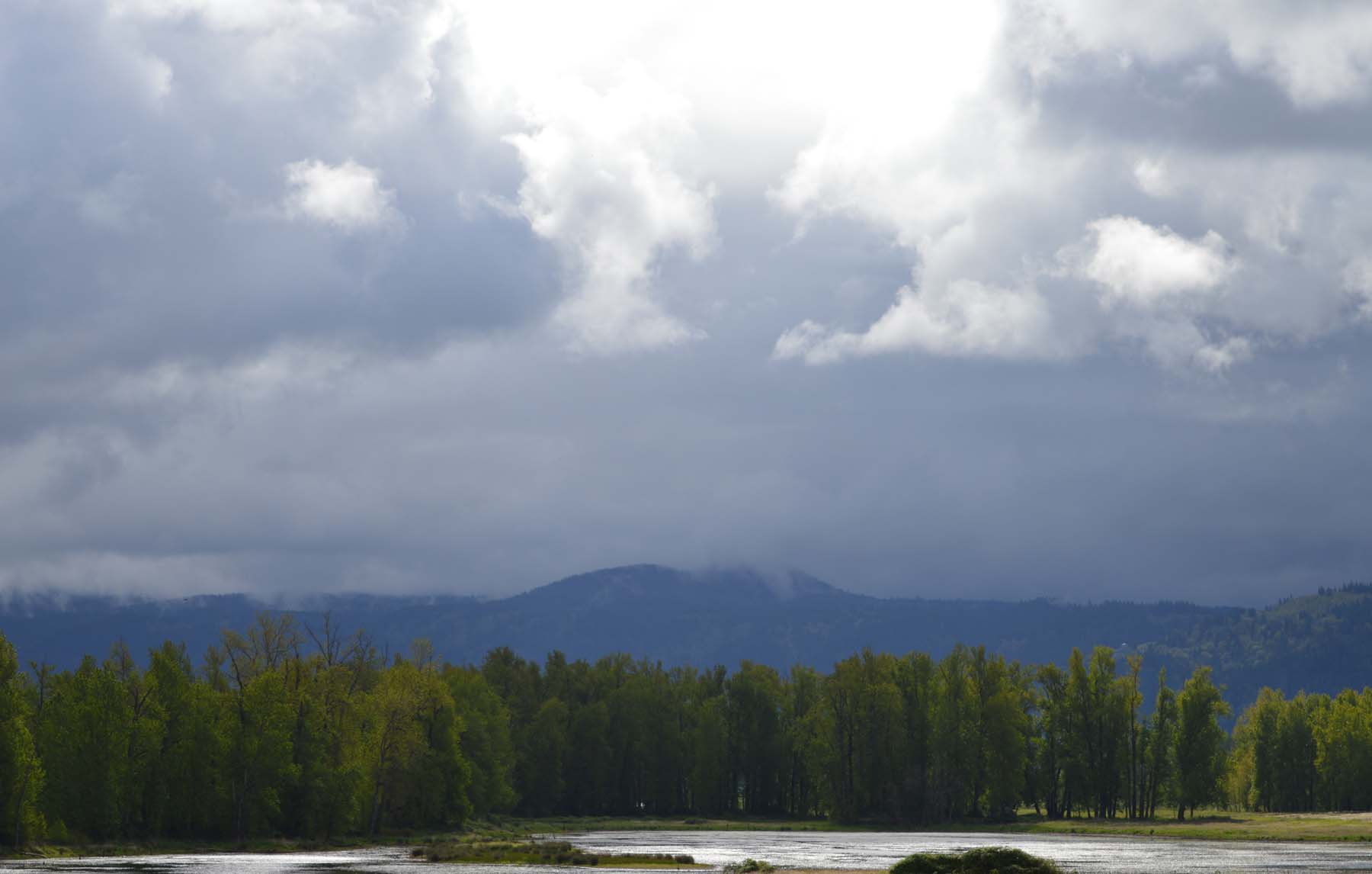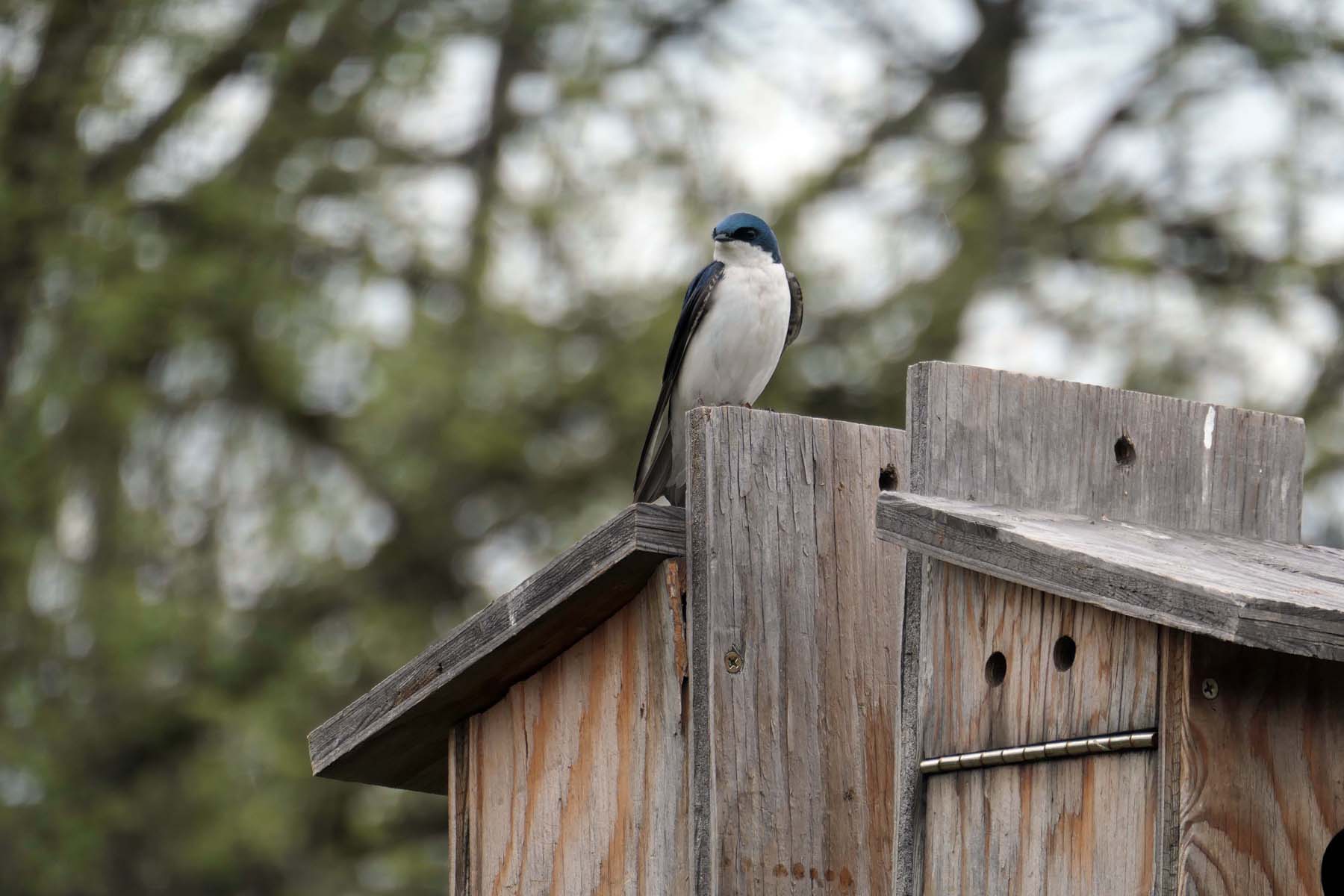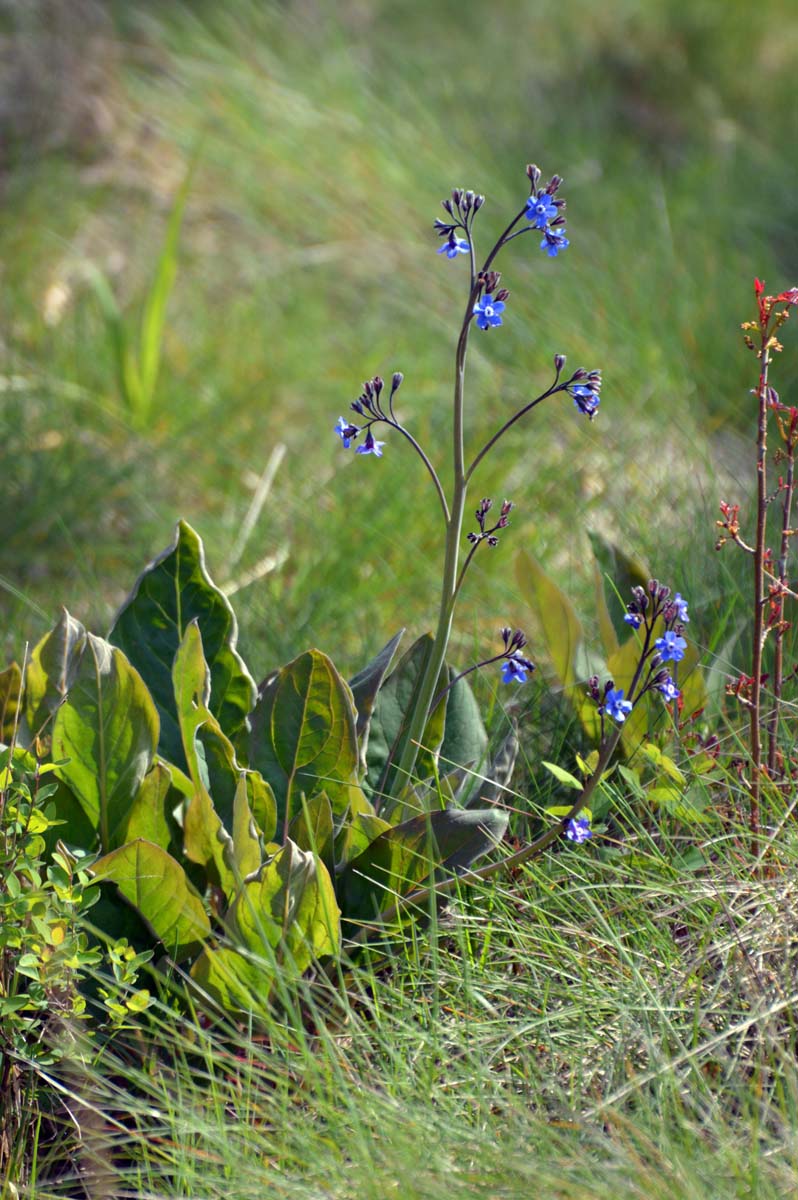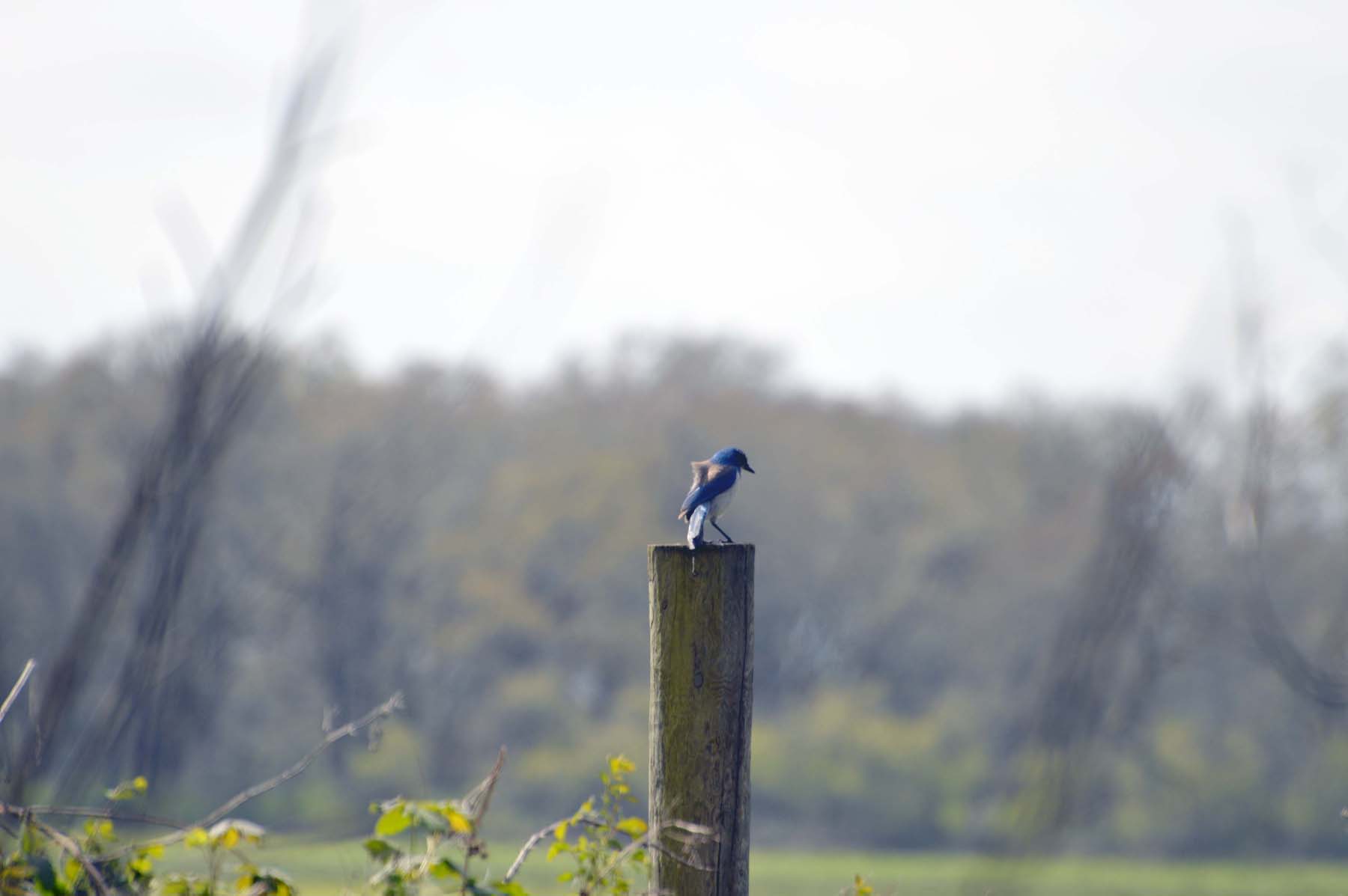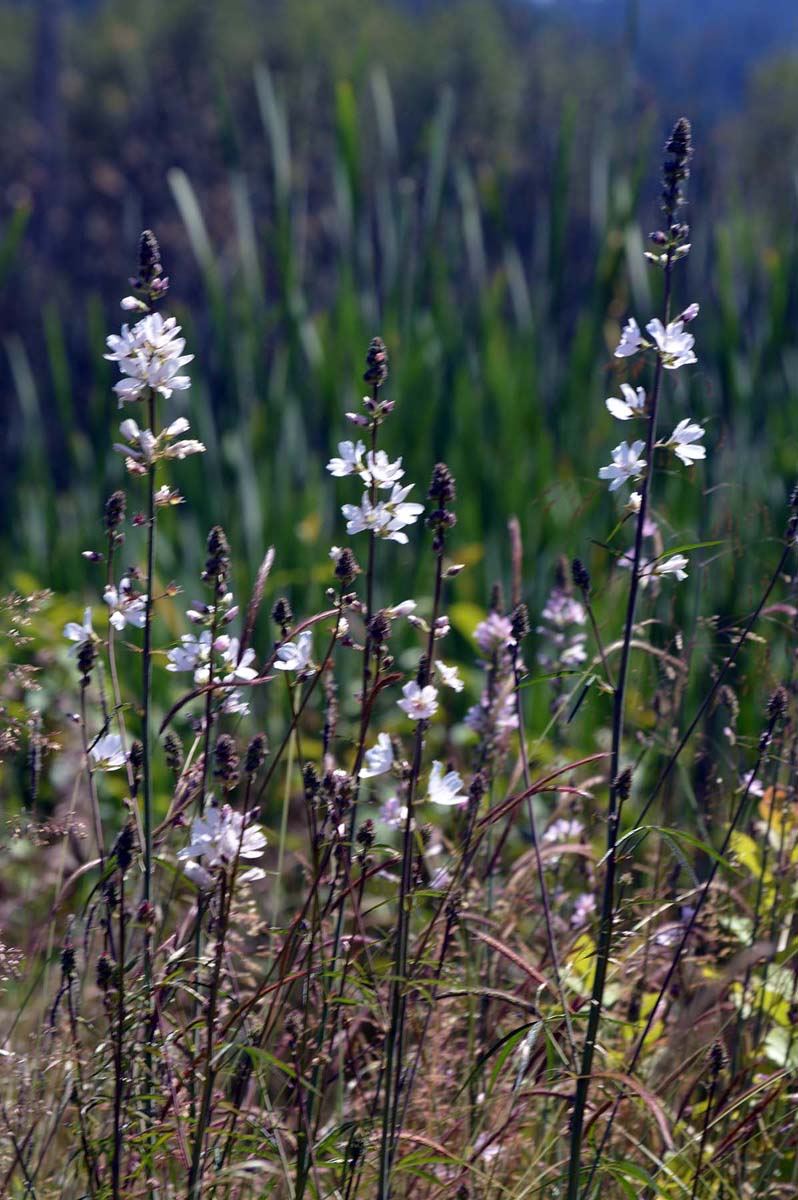
I spent more time than anticipated in the wetlands yesterday, coming home so tired that I had it not in me to write. Napped instead. So today it’s going to be a lot of pictures. Nothing I could say would beat the sweetness of those images in any case.
It was a day with intermittent strong showers, the world was wet.
Lots of songbirds, ospreys flying, red-winged blackbird singing their hearts out. Deer unperturbed.
Since it was an unplanned hike, I had only the small camera that is always in my pocket. What serendipity, then, that the freshly hatched goslings and their retinue crossed the path and into the water right next to the bird blind. I could photograph them from as close as one can possibly get to the edge of the water.
Some grazing on the shore
Mama watching, and off they went again.
While the geese were out already, the swallows were tending to their nests, busily populating the bird houses, bringing what’s needed for their upcoming broods.
In between they were just hanging out and grooming.
One still solitary;
Probably not for long.
I left when finally drenched. He didn’t care.
And these dancers would have fit into the landscape perfectly.
Maybe it was the cold. Maybe the decline in pollinators. The number of wildflowers were sparse. It made finding every single one a particular joy, of course, hah, another iris! Maybe this 231 acres Cooper Mountain park, new to me, never had that many to begin with, or it was still too early in the season. When trails announce Larkspur Meadow, and all you find are a few puny specimens of the plant, it does make you wonder, though.
Made me think about a recent book. If you have time, read the The Arts of Living on a Damaged Planet. It is a fascinating anthology of conversations between and presentations by some twenty scientists and humanists (artists and poets included), presented during a conference at UCSC Santa Cruz a few years go. As conferences go, this was surely an imaginative one: the topics of how we can live and progress on a damaged planet were divided under two headings concerning he Anthropocene: Ghosts and Monsters.
Ghosts referred to issues around landscapes altered by the violent extraction and modification during human expansion. Monsters concerned interspecies and intraspecies social interactions. The goal for all theses scholars in anthropology, ecology, science studies, art, literature, and bioinformatics was to suggest critical and creative tools for collaborative survival in a more-than-human Anthropocene. A planet we share with other species, in other words, while making it inhabitable.
Dandelion and Wild Geranium
It is a book that has a wide range of topics, not to be read as a whole, but digested bit by bit, at least that worked for me with my aging brain. It will familiarize you with ants, lichen, rocks, electrons, flying foxes, salmon, chestnut trees, mud volcanoes, border zones, graves, radioactive waste, to name a few. We learn what has been harmed, what can be rescued, what needs adapting, and, importantly, how art can be of help in the process.
Lupine
It came to my mind on a walk on Sunday, a warm, sunny day so atypical for this dreadful April, where I found myself ambling through various biotopes: paths through old growth forests, along sunlit prairie, and in groves sheltering what remains of the oaks and freshly budding maple trees, both hung with veils of Spanish moss. Me and the rest of town – this is an easy 3.4 mile hike on Cooper Mountain near Beaverton and e v e r y o n e was out. Good for all of us – being in nature remains restorative, even when the damage is visible and seen, perhaps, by multitudes. Engaging with nature helps with (re)learning how to be in the world.
At least this was part of what Ursula Le Guin, a participant in the conference that led to the book, suggested: “To use the world well, to be able to stop wasting it and our time in it, we need to relearn our being in it.” She defined two possible approaches in ways I have cited before: “Science describes accurately from outside; poetry describes accurately from inside. Science explicates; poetry implicates. Both celebrate what they describe.” She explained: Skill in living, awareness of belonging to the world, delight in being part of the world, always tends to involve knowing our kinship as animals with animals.”
And here she put it in her inimitable poetic way:
THE STORY It’s just part of a story, actually quite a lot of stories, the part where the third son or the stepdaughter sent on the impossible mission through the uncanny forest comes across a fox with its paw caught in a trap or little sparrows fallen from the nest or some ants in trouble in a puddle of water. He frees the fox, she puts the fledglings in the nest, they get the ants safe to their ant-hill. The little fox will come back later and lead him to the castle where the princess is imprisoned, the sparrow will fly before her to where the golden egg is hidden, the ants will sort out every poppyseed for them from the heap of sand before the fatal morning, and I don’t think I can add much to this story. All my life it’s been telling me if I’ll only listen who the hero is and how to live happily ever after.
–Ursula Le Guin
I’d like to add to the focus on animals an acknowledgement of plants. People nowadays, kids in particular, know fewer plants than ever before. It is a phenomenon called Plant Blindness,the inability to notice or recognize plants in our own environment. The term was coined by two botanists, James Wandersee and Elisabeth Schussler, who originally proposed that we are blind to plants because they lack visual attention cues. They don’t have a face; they don’t move in the way that animals do; and they aren’t threatening. They look more like each other than animals do – and the human brain is geared to detect differences over similarities. We also favor things more familiar, and animal behavior is closer to humans in that regard, establishing some bio behavioral kinship. Add to that our general separation from nature, and you end up with people unable to identify more than a few plants.
Larkspur
This ignorance, echoed and anchored in the demise of academic instruction in plant biology, is all the more worrying given the role plants play in societal developments: global warming, food security and the need for new pharmaceuticals that might help in the fight against diseases. Without young people being drawn into plant sciences we might not be able to fight new plant diseases or develop plant strains adapted to changing climate conditions or discover new medications, and so on. In Great Britain you can no longer enroll for a botany degree, for example. Across the US, university Herbaria are closing. Funding is affected: 10 years ago plants made up 57% of the federal endangered species list – they received less than 4% of the endangered species funding! (Here is a good overview article on the consequences.)
Wild Strawberries
If schools fail at instruction, take the kids to the park. An emotional connection outweighs dry instruction in any case. Teach them how plants can be – are – heroes when it comes to their healing properties or their role in environmental protection – there are plenty of guides and apps for the phone available in case you’re not so sure yourself about names and species. Snap a picture and have an identification within a minute.
Prairie Meadow. I believe the yellow flower is Monkey flower, but am not sure.
Turn it into a treasure hunt to spur the kids’ interest. Who can find more larkspur than irises? Who spots the first saxifrage? Who can tell a strawberry by their blossom?
Saxifrage
Tell fairy tales where plants play a significant role (Hans Christian Andersen scored here, as do many Native American tales), seek out botanical gardens that help with education.
Lilies
I have my doubts about living happily ever after at which LeGuin’s poem hinted – but I believe walks are the moments when we can live happily, encountering spring’s renewal, however sparse, in all its beauty, and learn in the process.
Last Friday was Earth Day. The Oak Island nature trail on Sauvies Island had just opened after its annual 6 months-closure to protect migratory birds. I can think of no better place to celebrate nature – off I went, except it felt more like an attempt to escape than to celebrate.
Escape from thinking about the ever expanding, ever faster cycle of crises, ever larger looming dangers, ever more consequential action (or inaction) threatening this planet and its inhabitants. A carnival of negativity, as someone put it in The Atlantic while describing what is happening to our young people. There comes a point where you either shut off in depression or get enraged to the point of non-functioning.
One of the opinion writers at one of Germany’s most influential weekly, Der Spiegel, advised us this week to go milk cows, or commune with nature in any which way, or hang out at a spa, in all seriousness grappling with these options to fend off paralyzing doom, sounding simultaneously ridiculous and echoing my own sentiments (I guess ridiculous ones as well.)
Poets have gone a step further, exploring the desire to go back to a state of non-sentient existence, compared to one of calmed thought after a bovine encounter (the latter state, by the way, does not result from milking cows. As one who has engaged in that activity regularly, it is somewhat nerve-racking, just saying.)
The poem below speaks to the issue, the desire to be a speck that seeded the universe, un-thinking, un-feeling, un-remembering. It will be followed by another poem written in response, that I found somehow more encouraging (and encountered here). Written by Marissa Davis, illustrated by Lottie Kingslake and sort of sung by Toshi Reagon, it celebrates more than just “being.”
Ospreys
I was thinking of these kinds of poems while walking the loop. It used to be knee deep under water in April, now dry underfoot even though this has been one of the wettest Aprils in a long while. Trees had crashed down during the winter in unprecedented numbers.
Song birds flourished. Junkos and white crowned sparrows galore.
Those old fruit trees who remained standing were pushing out enormous amounts of blossoms – I hear that is a reaction to last year’s drought, cannot confirm.
Busy birds, herons up very high flying to and fro from their nests hidden in the woods across the slough.
I even saw a humongous swan flying west from the Columbia river (not captured on camera.) Ospreys nesting, hawks hanging, buzzards circling.
Jays everywhere,
and a few glimpses of yellow-rumped warblers and wrens.
Wren in center
The sky changed constantly, from grey to blue and back. The land and water was shimmering green, a color associated with the word hope in German. If we have to feel at all, unable to escape into the singularity, let that be the emotion associated with Earth Day! (Fed by the election results in France and Slovenia this Sunday, as well. Although I do believe, as you know, that a continuation of unconstrained neoliberal policies is but creating the substrate on which those barely defeated extremist political movements grow.)
Do you sometimes want to wake up to the singularity we once were?
so compact nobody needed a bed, or food or money—
nobody hiding in the school bathroom or home alone
pulling open the drawer where the pills are kept.
For every atom belonging to me as good Belongs to you. Remember? There was no Nature. No them. No tests to determine if the elephant grieves her calf or if
the coral reef feels pain. Trashed oceans don’t speak English or Farsi or French;
would that we could wake up to what we were —when we were ocean and before that to when sky was earth, and animal was energy, and rock was liquid and stars were space and space was not
at all—nothing
before we came to believe humans were so important before this awful loneliness.
Can molecules recall it? what once was? before anything happened?
No I, no We, no one. No was No verb no noun only a tiny tiny dot brimming with
is is is is is
All everything home
And here is the response poem, also called Singularity, by Marissa Davis.
I have been cold in April before. Seriously cold. Shipped off to England from Germany during Easter break to learn English as a 10-year-old, the host family’s daughter dragged me to old churches and had me do some brass rubbing while she absconded with a secret boyfriend. On my knees on someone’s commemorative brass plaques on the floor, large swaths of butcher paper rolled over it and rubbing oil crayon on it, like you would do with a pencil over a coin. Hours on end in unheated Cambridge cathedrals. Miserable, as well as cold.
A decade later the state was self-inflicted. I had agreed to “meet” my boyfriend who was traveling in North Africa at the Spanish port of Algeciras to drive back home together. I had taken a ferry, crowded with drunk tourists, from the island of Ibiza where my mother spent Easter with me, to Barcelona. From there a long train trip to the Southern tip of Spain. All this in the age before cell phones and credit cards, the early 70s, mind you. Found the cheapest hostel possible in Algeciras with no heat, a threadbare blanket matched by a threadbare towel for the sink with cold water in the room, WC down the hall, no showers. And then the wait began. Each day a walk to the post office to see if there was a letter kept at “poste restante.” Each day a walk to the harbor where the ferry from Africa (Ceuta, really a Spanish enclave) arrived. Standing in harsh winds from the Strait of Gibraltar waiting for the cars to unload in long lines. No message, no boyfriend. Plenty of catcalling. Cold nights with only one incomprehensible book to distract me, Leon Trotsky’s letters – don’t ask – until funds ran out, must have been a week or so. I hitchhiked home, having not enough money left over for a train ticket, with some friendly Brits. Happy ending delayed by about 2 weeks, when the parts for the broken-down land rover finally arrived in some atlas mountain hamlet and the return trip resumed. I think I was still freezing when we reunited in Germany all those weeks later…
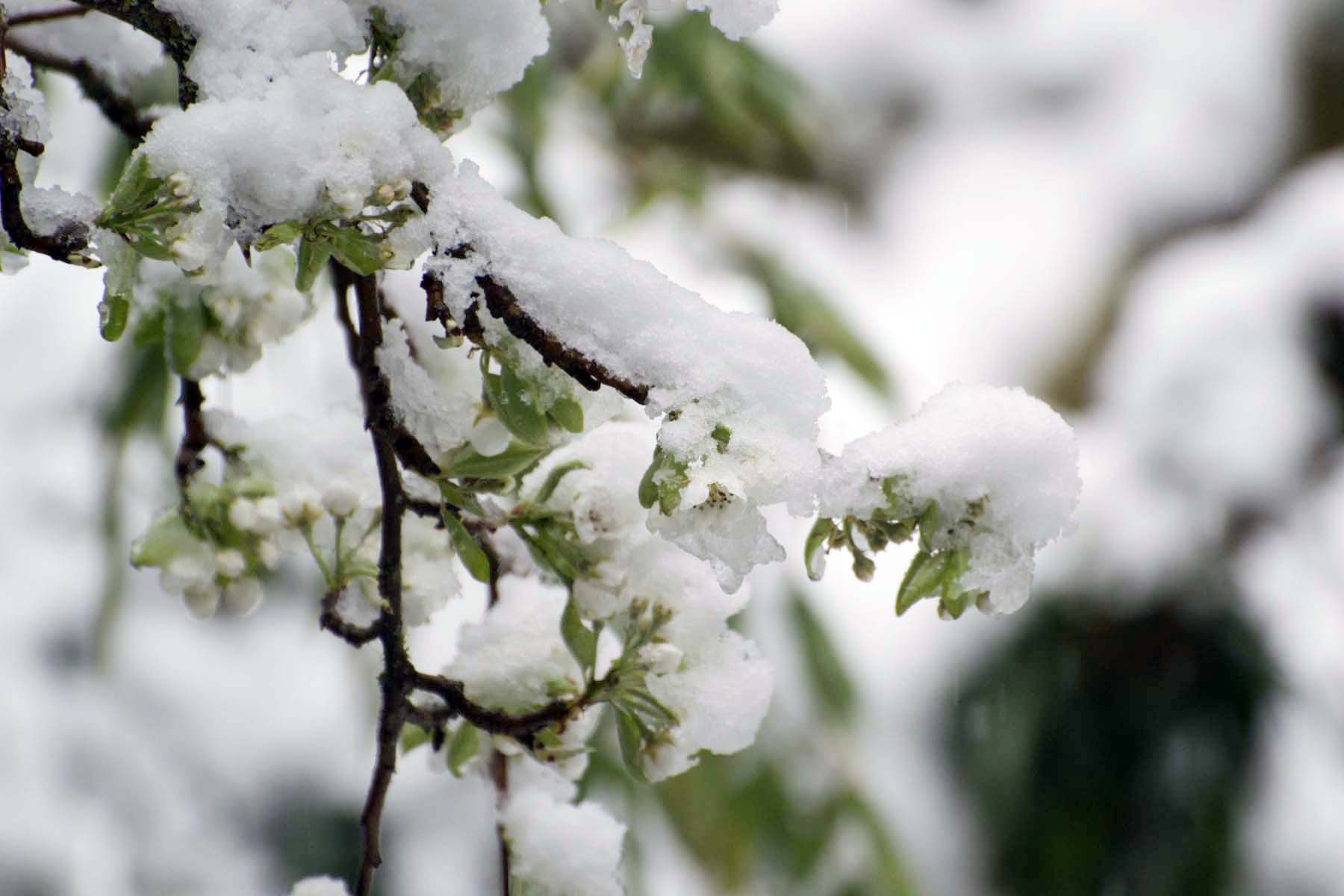
And now snow. Mid-April. In Portland, Oregon. Obscuring the plum- and pear-tree blossoms, eliciting shivers and uncanny thoughts about another harvest damaged by extreme weather. Dickinson came to mind and her ways to observe the landscape, distilling views, providing new associations. Never mentioning the word snow once while writing an entire poem about it….
Photographs today from my garden within a 5 day span, from warmth in the 70s to today’s snowfall of 2.5 inches. I first thought I might add the newest political news on the climate denial/regulation/Supreme Court decisions front. Then I decided against it. Why mix the brightness of the snow with the underlying dark issues. Let these beautiful words ring in our ears, and the images speak for themselves.
The doves are back. Parading in front of my window, giving me stern looks that I have not put out any seed, puffing up when the cold breeze strikes. Next week is supposed to have 76 degrees one day, snow the other. Crazy.
The song sparrows are singing their little heart out, perched on my pear tree, about to blossom.
The wood violets are exploding.
The trillium are in full swing.
Maple and elderberries are stretching to the light.
Bluebells hiding in the shadow.
And importantly, the bleeding hearts are back. Just around the corner, clusters in the woods.
These are wild flowers, Pacific Bleeding Heart (Dicentra Formosa,) not the cultivated ones that you find in English cottage gardens (shown below).
There’s a somewhat timely story as to how the name, Bleeding Heart, got transformed into an insult along the lines of “such a bleeding heart liberal…”
As early as the 14th century, the phrase referred to a sincere emotional outpouring, found in poems by Chaucer, for example (Troylus and Chriseyde):
That nevere of hym she wolde han taken hede, For which hym thoughte he felte his herte blede.
Later, so Merriam-Webster dictionary tells me, the term was associated with religious iconography, referring to the bleeding heart of Christ. It was connected to his teachings and compassion for the poor, sick or struggling.
Leave it to a right-wing American newspaper journalist, Westbrook Pegler, a nasty Senator, Joe McCarthy, and a Republican President, Ronald Reagan, to turn a thought of brotherly love into an insult.
Pegler was a hater. The list was long: Communists, fascist, Jews, liberals. In the context of a new bill before Congress, he coined the term bleeding-heart liberal in 1938. The bill? Aimed to curb lynching.
Pegler argued that lynching was no longer a problem the federal government should solve: there had only been eight lynchings in 1937, he wrote, and “it is obvious that the evil is being cured by local processes.” The bill, he thought, was being “used as a political bait in crowded northern Negro centers.” (Ref.) He, by the way, became too right-wing even for the John- Birch -Society, which threw him out eventually.
The term found full attention when picked up by Joe McCarthy in the 1950s who called Edward R. Murrow one of the “extreme Left Wing bleeding-heart elements of television and radio.” Leave it to Ronald Reagan, then newly elected Governor of California, to make it his own in the 60s: “I was quite the bleeding-heart liberal once,” he told Newsweek.
Let’s co-opt the term! I am a proudly caring, compassionate, social-justice oriented bleeding-heart progressive! There! The world needs us.
Oh, and the lynching bill? Finally, passed this March after a century or so. It failed on 200 (!) previous attempts. The Emmett Till Antilynching Act, which was introduced by Rep. Bobby L. Rush (D-Ill.) in the House and Sens. Cory Booker (D-N.J.) and Tim Scott (R-S.C.) in the Senate, is named for the 14-year-old Black boy whose brutal torture and murder in Mississippi in 1955 sparked the civil rights movement. The three no votes: Republican Reps. Andrew S. Clyde (Ga.), Thomas Massie (Ky.) and Chip Roy (Tex.) Glad they were not on the jury during a contemporary lynching victim’s trial, Ahmaud Arbery.
(Sacral) Music is from 18th Century Ukraine today.
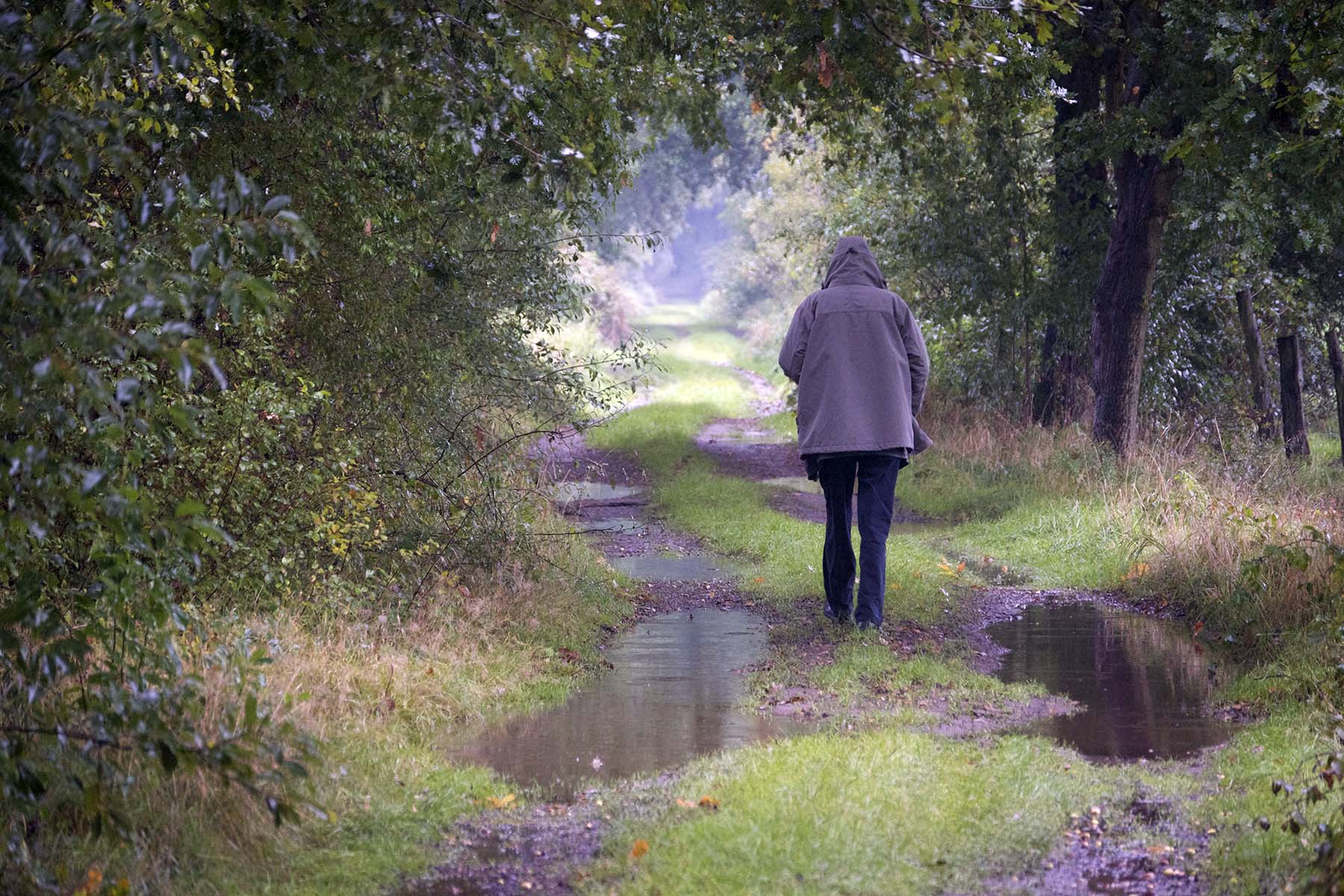
Join me on a walk? Take your rubber boots – the Pineapple Express has arrived, an atmospheric river that transports moisture from the tropics to the northern areas of the planet in great masses. In simpler words: it has been pouring.
And this is the foot path …..
I needed to get out yesterday to get away from the news, so many horrors all at once. Nobody able to predict what will happen next, how to approach a situation where the unchecked power over weapons destroys lives, a people, potentially the world as we know it. The reactions in favor of greater militarization in Europe are understandable but go so against the grain of what a nation – Germany – has tried to do for decades in acknowledgement of its history. All of a sudden there are billions available to fill the coffers of the weapons industry, when poverty and houselessness and lack of social services are unabated. Let me hasten to add, I do not have a clue what the right thing is to do, with the stakes so insane. And I do understand that you cannot defend yourself against unlawful, imperialistic military invasion with bare hands.
Much mud carried by the fast stream
The refugee situation is raising ambiguous feelings as well. It is great how hundreds of thousands of fleeing Ukrainians are welcomed in neighboring nations. It is horrifying that people of color have been treated very differently, not just in general (think Polish treatment of Syrian refugees) but in this particular instance – Black and Brown students studying in Ukraine not allowed across the borders, pushed out of trains and busses, humans of a second order. The internet is full of suggestions that Africans make it immediately to Romania which is set for flights to Ghana, Nigeria and Zimbabwe.
And then there is the situation of the Jews whose fate is so tied to the history of Ukraine, the unspeakable terror against them during WW II, whose Holocaust memorial at Babyn Yar has been bombed by Putin yesterday. Their status as refugees, outside of Israel, has been a double edged sword. Or even within Israel – it is the occupied West Bank that will house the influx of Jewish Ukrainians, complicating things for the Palestinians.
I was thinking back to an essay describing the experiences and difficulties of Eastern European Jews emigrating to Germany in the 1990s when Germany accepted a contingent of Jewish refugees to polish its own image, to signal repentance of past deeds.
I also remembered Hannah Arendt’s words, so applicable to the moment. In the link, her short essay We Refugeesis printed in full after her portrait.
Windfall
But lest we forget, there are also people in Russia whose life will take a devastating turn as we speak, who have few choices for protest or action to change what is decreed from above. Here is a short essay from 2 days ago by a young Russian Jew who is grieving.
And then there is a novel about a survivor of another war in Ukraine, that comforts us with a tale of resilience. Here is an excerpt of Kurkov’s Grey Bees.
Nature on my walk pretended that nothing had happened. Ignored the fact that it was so warm that everything seemed to explode in growth spurts several weeks early. An unstoppable push towards renewal.
A few of the small birds were happily chirping along, including a female ruby crowned kinglet, a miracle to catch with the camera since they move at lightning speed. (Below are Towhee, song sparrows, a female junko, killdeer and the kinglet.)
The geese did their thing, coming and going.
The wild currants joined the chorus of plants in a landscape that defiantly put up some color against the grey sky.
As did the rest of the flowering beauty:
The pussy willows, in different stages of growth, seemed to suggest that tears can be beautiful adornment, and that they will roll off by themselves – well, my mind prone to anthropomorphising suggested that, but I did not complain….
Spring is all about renewal. Renewal is also humanity’s highest good, enshrined in democracies who are willing to take risks, accept the unpredictable, renounce the statism that aristocracies or authoritarian regimes want to enshrine. Renewal is about a livable future, not an oppressive past. It is upon everyone of us to support that project of renewal, within and beyond our borders.
When the rain got too hard I found a shelter, and some earlier visitor had left something behind. At least the kids here can still assume that nothing has happened and engage their fairy worlds. Wish it was true for every child in the world.
Two billion people across the world celebrate the Chinese Lunar New Year tomorrow, 2/1/2022, the Year of the Tiger. Last week I went down to Lan Su, Portland’s Chinese Garden, on a cold, sunny day to marvel at the decorations as I do every year. If you expect me to write exclusively about tigers, though, you should know better by now!
It has to be about hippopotamuses as well. I could stretch to find a connection, hippos being fierce (like the Chinese Zodiac sign of the tiger,) or semi-aquatic, linking to the fact that 2022 is a Water year for the Chinese Zodiac.
But in truth, even the hippos are just a part of today’s topic: how science approaches the (re)introduction of species to places from which they have vanished, or never lived before.
I was alerted to the issues when hearing about the hippos who were left to fend for themselves when Drug Lord and all-around-evil-guy Pablo Escobar was killed by Columbian police in 1993. He had a private zoo next to his mansion that hosted 4 hippos which escaped into the wild when the estate was left to itself. Here we are now, 30 years later, with an estimated 80-100 hippos congregating along the neighboring Magdalena River. That number might swell to another 800-5000 hippos in the next 30 years, depending on who is doing the estimating (Ref.) Hippos have no natural predators in Columbia, nor are their numbers culled by droughts as they would be in their native countries in Africa. They happily procreate.
Well, not much longer. Since it is legally forbidden to kill them, after a public outcry when the first of these escaped beasts was shot, the Regional Autonomous Corporation of the Negro and Nare River Basins (CORNARE) is now culling the herd by sterilizing the animals. They deliver doses of a contraceptive vaccine to the hippos which works on both males and females, via dart guns. The reason for a comprehensive sterilization program lies with multiple threats to the environment if the hippo numbers increase unchecked. Their grazing for food is intense and prevents other herbivores to get to the nourishment they need (a single adult hippo consumes about 88 pounds (40 kg) of grass per day.) The amount of poop deposited in the river is a threat to some aquatic plant and fish populations. And hippos can be quite aggressive if too close to human contact, with inevitable violent encounters in shared space with the fishermen.
It is easy to visualize how a foreign species hurts the balance of an ecosystem. Or what re-introduced species do to environments that have changed so much over the millennia as to not be recognizable given the landscape fragmentation. But scientists have started to look not just for the negative aspects of rewilding or new (if unintended) introductions, but to catalogue the positive trends associated with animals in new places. It looks like they just might serve some ecological functions that were earlier offered by now extinct species. New folks picking up the slack!
Here are the principles that the International Union for the Conservation of Nature (IUCN) established:
Take the hippos. Their daytime grazing habits are similar to those of now extinct giant llamas that lived in Columbia in the Pleistocene. Their defecations bring nutrients to rivers that extinct semi-aquatic creatures of yore provided. But the numbers need to be monitored and if necessary, constrained.
Northern Australia lost its giant marsupials. They are in some ways replaced by grazing water buffalos, the largest herbivores since the extinction, whose feeding habits reduce the frequency and severity of wildfires, mitigating the effects of climate change.
Feral hogs, whose rooting in soil increases tree growth and attracts bird flocks, are replacing ecological work done by extinct giant peccaries in North America. The original American horses, which died out about 12,000 years ago, are now replaced by feral mustangs and burros in the American West who engage in well-digging behavior like their forbears, protecting water resources.
These are just a few examples. More details can be found here.
And guess who is rewilded in China? Yup, South China tigers. They are taken from Chinese zoos, the only place where they exist now, and reintroduced to open terrain in wild life preserves in South Africa. Once they have learned to live outside of captivity they will be released back in China. May the Year of the Tiger see an improved coexistence of humans and nature!
Here is some traditional Chinese pipa music. Happy New Year to those who celebrate!
None to be found, neither witches, nor butter. Hope defied, again!
Well, it was a trail name, referring to an orange-colored jelly-like fungus that is parasitic on fungi that inhabit decayed logs. (Tremella mesenterica.) That fungus did not make an appearance on my last hike either, but many other beautiful things did during my first excursion to Chehalem Ridge Nature Park.
The 1260 acres park opened a few months ago about 40 minutes southwest of Portland, near Cornelius. The land had been subject to housing developments before the market crashed. Then Metro stepped in in 2010 and purchased the land from a lumber company, with funds coming from the Trust for Public Land, the $6.1 million its largest acquisition. Since then smaller adjacent properties have been added.
Over the last 6 years the park was developed in earnest, by down-cutting the Stinson Lumber’s monoculture of fir trees where possible, planting native shrubbery and conifers, and giving remaining old growth of oaks, cedars and madrona trees room to breathe.
There is a 10+ mile system of trails, some wheelchair accessible, that is shared by hikers, horse riders and bikers in some places.
The parking lot has functional buildings and covered picnic areas, tons of space for kids to romp around. Pets are not allowed in the park, though, to protect sensitive wildlife.
Trails are clearly marked, and in the more crowded areas at the beginning there are plenty of benches so people can rest when needed.
Several view points offer stunning views of the coast range mountain and the Tualatin valley stretching out into the misty clouds.
Many of the trail names come from the Atfalati language, spoken by the Northern Kalapuyas, a tribe among the many that suffered a horrific fate when the colonialists arrived. With the settlers came the diseases. Malaria, transmitted by mosquitos, the potential vector Anophelesfreeborni common in western Oregon until the early 1900s, was brought to Ft Vancouver by traders and spread from there. It reduced the tribal populations in the valley within three years, 1830 – 1833, by 80% (!), an apocalyptic loss. It hit the White settlers as well, but they knew to treat it with Quinine and had the remedy available, if in limited quantities.
“Cumulative evidence suggests that cultural unfamiliarity with the new diseases—that is, people did not know how to treat them—and the lack of effective medicines may have been as or more important than biological resistance, genetic or acquired, in accounting for the high mortalities. The loss of population resulted in abandoned and consolidated villages, the breakdown of social and political structures, and the loss of cumulated knowledge possessed by specialists (in a culture without written records), making the epidemics cultural as well as biological disasters.” (Ref.)
The Kalapuyans lived in tribal territories containing numbers of related and like-speaking, but basically autonomous villages. They were extremely versed in ecological management, treating the land for 4000 years with controlled, low intensity fires in the fall to create open oak savannahs and mixed forest growth.
This maximized the landscape for the products they needed most – seed, textiles, wapato, and forage for game.
——————————————————
In addition to the wood land trail, I hiked the short side trails of ammefu, which means ‘mountain’ in Atfalati, ayeekwa referring to bobcats,
Bobcat or coyote scat?
and mampał, which means lake and could be a reference to Wapato lake, currently under restoration for a national wild life refuge after having been converted to onion fields by farmers.
Despite the January date, spring was in the air. It must have been the light green, bordering on chartreuse, everywhere. The forest floors covered with the invasive shining geranium,
the moss carpeting stumps, trunks and branches of the trees,
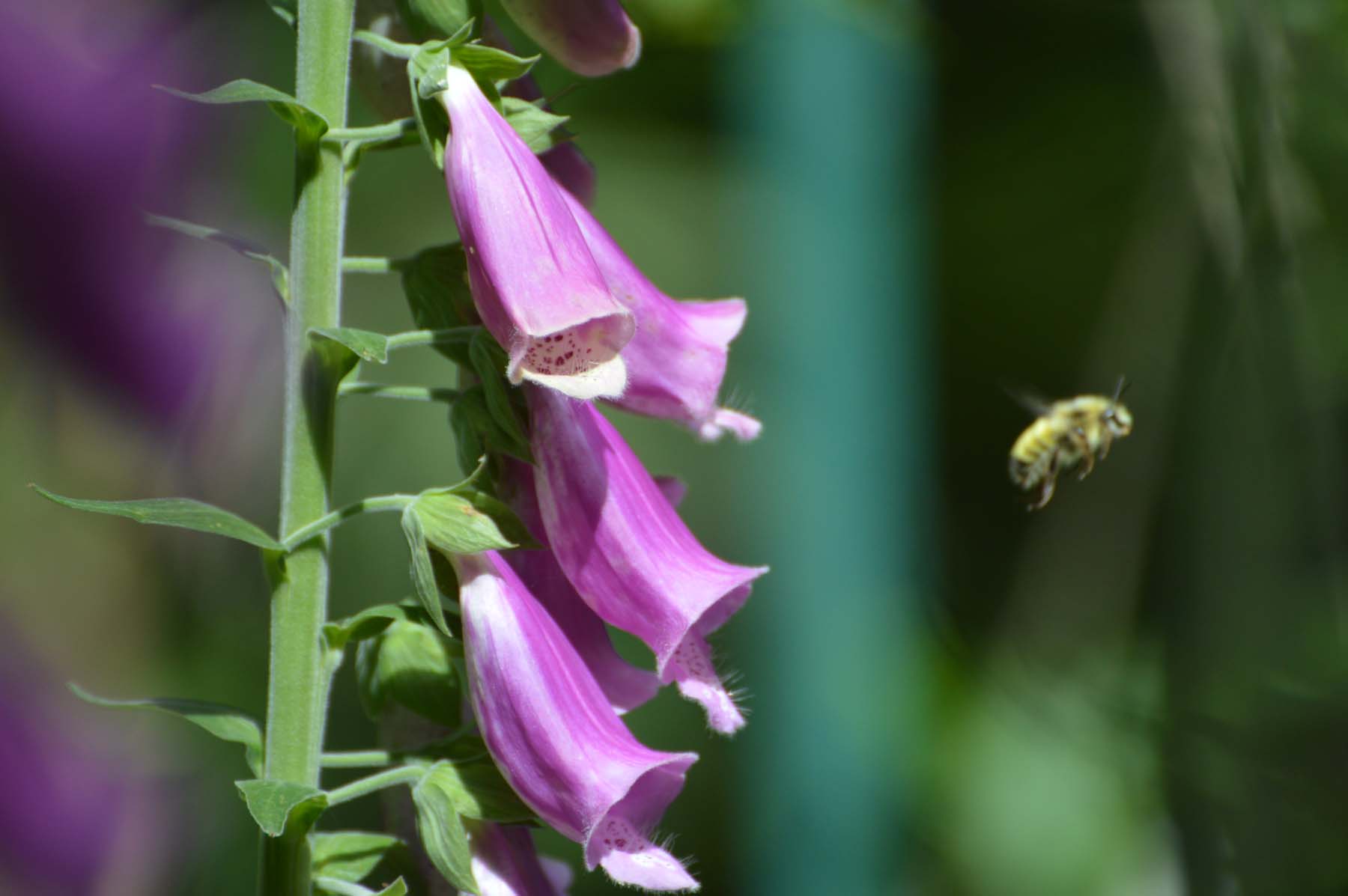
the first leaves of foxgloves, grass, lupines and even some fresh life among the Great Mullein.
The park also seems a magnet for piles. Piles from reforestation
piles from land management
piles from lunch
piles after lunch.
There is so much to appreciate in the land known as the Outside Place (Chehalem) by the Atfalati people. It speaks to the tenacity of life, even under hard conditions.
And if you are lucky you get to walk for a while behind goldilocks, who appreciated her Dad’s lesson on hibernation as much as I did. So much to learn, everywhere you turn. You just have to show up!
More vicarious walks for you all will be in the offing!
In the meantime here is an old Kalapuya prophecy, translated in 1945 by Melville Jacobs.
Long ago the people used to say that one great shaman in his dream had seen all the land black in his dream.
That is what he told the people. “this earth was all black (in my dream).”
He saw it in a dream at night. Just what was likely to be he did not know.
And then (later on) the rest of the people saw the whites plough up the ground
Now then they say, “that must have been what it was that the shaman saw long ago in his sleep.”
And here is a musical depiction of forest moods from a different continent….
Essential Meaning of Wanderlust: a strong desire to travel.
Full Definition of Wanderlust: strong longing for or impulse towardwandering. – Merriam Webster
If you check the definition for wandering on Merriam Webster you’ll notice that it includes “meandering, not keeping a rational or sensible course, or movement away from the proper, normal, or usual course or place.” Anything but hiking which the original German term “wandern” refers to.
Wanderlust was at its root about hiking, a desire to get back into nature, explore the natural world during the period of German romanticism. Artists from the 18th century on tried to find new inspiration beyond the cities and experience or express their feelings rather than simply depict scenes. That was true for visual artist as much as composers and authors. The fear of nature, as represented by forbidding mountains or cliffs or the vagaries of the seas transformed into fascination, even awe.
Thomas Cole A View of 2 Lakes and Mountain House, Catskill Mountains, Morning. (1844)
Later, and perhaps connected to the European system of artisan apprenticeships and journeymen, Wanderlust took on the meaning, probably more familiar to us, of the urge to roam anywhere but home, the longing for seeing the world at large and confronting unforeseen challenges.
Albert Bierstadt Giant Redwood Trees of California (1874)
It was all about the hero in nature, made small by awe (just look at these tiny figures in their immense surroundings), or seen big as conquering the obstacles encountered. It was about deceleration and a certain longing for glorified older times. It was also about the larger story of finding meaning in life, or allegories of a life’s progression, or expressing one’s relative take or standing in the natural order of things, a rise in individualism. And often it was linked to nationalism and pride of the beauty of one’s country.
Gustave Castan Landscape with Hiker (1870s)Gustave Castan Gewitterstimmung im Rosenlauital (date unknown)
The quotes convey it well: “The things one experiences alone with oneself are very much stronger and purer.” (Eugene Delacroix.) “Amid those scenes of solitude… the mind is cast into the contemplation of eternal things.” (Thomas Cole.) “I must stay alone and know that I am alone to contemplate and feel nature in full. I hav to surrender myself to what encircles me, I have to merge with my clouds and rocks in order to be what I am.” (Caspar David Friedrich.)
Karl Eduard Biermann Das Wetterhorn (1830)
A few years back Berlin’s Alte National Gallerie had an exhibition of paintings ranging from romanticism to expressionism that focused on landscape and the wanderers within. Some of today’s paintings are from that show, some are personal picks from other encounters, and they leave out the more familiar ones. They do show a trajectory, though from the early romantic leanings to more expressionist offerings that de-emphasize the human/landscape interaction. This was the first painting you saw when you entered – and the only woman of the bunch…
Jens Ferdinand Willumsen Die Bergsteigerin (1912)
However you frame it, I was bit by the Wanderlust bug since early childhood, and felt suffocatingly stifled when first Covid made travel impossible in 2020, and then health issues put a curb on hiking as well in 2021.
Vincent Van Gogh Man with Backpack (1888)
I am therefor thrilled to report that on the very first day of 2022 I managed part of a hike, in snow no less, that reprised my last one in 2020 before things fell apart. I had reported on it here.
Emil Nolde Der alte Wanderer (1936)
Today’s images are a comparison between July and January conditions of the very same sights on the trail up to Mirror Lake, OR (I did not do the full hike up to the top of the Tom Dick and Harry mountain on New Year’s Day.) Or I would have looked like this.
Ferdinand Hodler Der Lebensmüde (1887)
It is hard to explain why hiking feels so empowering – beyond the stress relief of physical exertion and the pride to pull it off (even in slo-mo and across much diminished distances.) I have no spiritual inklings when out in nature (have I ever?) but an endless appreciation for the beauty around me and the sensory input that reaches from smell to sound to visual reflections of light and shadow. I cherish the resilience of the landscape that surrounds me and, I guess, take it as a model. I like to observe change, when revisiting familiar sights over and over again, as long as that change is natural and not imposed by human interference. Drives me up a wall, when parks are closed for remodel…. no matter how much environmentally sensitive reconstructions are warranted – I feel deprived! And, I admit it, I like the “hunt” with my camera for wildlife of all sorts, the sudden gift of sightings, hoped for, but never guaranteed. I hiked long before I took up photography, though, so that’s just a bonus. Maybe it is the freedom that Hardy (below) describes, to move away from daily anchoring by duty.
So grateful that at least day hikes are back on the menu!
——————————-
———————————
——————————————
———————————-
——————————————
—————————————–
Freedom
Give me the long, straight road before me,
A clear, cold day with a nipping air,
Tall, bare trees to run on beside me,
A heart that is light and free from care.
Then let me go! – I care not whither
My feet may lead, for my spirit shall be
Free as the brook that flows to the river,
Free as the river that flows to the sea.
by Thomas Hardy (1840 – 1928)
I’ll hike to that! While singing Schubert’s ” Der Wanderer.“
One should not forget, though that there are serious alternatives to hiking, in case you are housebound – read this fascinating piece and consider!