Tulips
The tulips are too excitable, it is winter here.
Look how white everything is, how quiet, how snowed-in.
I am learning peacefulness, lying by myself quietly
As the light lies on these white walls, this bed, these hands.
I am nobody; I have nothing to do with explosions.
I have given my name and my day-clothes up to the nurses
And my history to the anesthetist and my body to surgeons.
They have propped my head between the pillow and the sheet-cuff
Like an eye between two white lids that will not shut.
Stupid pupil, it has to take everything in.
The nurses pass and pass, they are no trouble,
They pass the way gulls pass inland in their white caps,
Doing things with their hands, one just the same as another,
So it is impossible to tell how many there are.
My body is a pebble to them, they tend it as water
Tends to the pebbles it must run over, smoothing them gently.
They bring me numbness in their bright needles, they bring me sleep.
Now I have lost myself I am sick of baggage——
My patent leather overnight case like a black pillbox,
My husband and child smiling out of the family photo;
Their smiles catch onto my skin, little smiling hooks.
I have let things slip, a thirty-year-old cargo boat
stubbornly hanging on to my name and address.
They have swabbed me clear of my loving associations.
Scared and bare on the green plastic-pillowed trolley
I watched my teaset, my bureaus of linen, my books
Sink out of sight, and the water went over my head.
I am a nun now, I have never been so pure.
I didn’t want any flowers, I only wanted
To lie with my hands turned up and be utterly empty.
How free it is, you have no idea how free——
The peacefulness is so big it dazes you,
And it asks nothing, a name tag, a few trinkets.
It is what the dead close on, finally; I imagine them
Shutting their mouths on it, like a Communion tablet.
The tulips are too red in the first place, they hurt me.
Even through the gift paper I could hear them breathe
Lightly, through their white swaddlings, like an awful baby.
Their redness talks to my wound, it corresponds.
They are subtle : they seem to float, though they weigh me down,
Upsetting me with their sudden tongues and their color,
A dozen red lead sinkers round my neck.
Nobody watched me before, now I am watched.
The tulips turn to me, and the window behind me
Where once a day the light slowly widens and slowly thins,
And I see myself, flat, ridiculous, a cut-paper shadow
Between the eye of the sun and the eyes of the tulips,
And I have no face, I have wanted to efface myself.
The vivid tulips eat my oxygen.
Before they came the air was calm enough,
Coming and going, breath by breath, without any fuss.
Then the tulips filled it up like a loud noise.
Now the air snags and eddies round them the way a river
Snags and eddies round a sunken rust-red engine.
They concentrate my attention, that was happy
Playing and resting without committing itself.
The walls, also, seem to be warming themselves.
The tulips should be behind bars like dangerous animals;
They are opening like the mouth of some great African cat,
And I am aware of my heart: it opens and closes
Its bowl of red blooms out of sheer love of me.
The water I taste is warm and salt, like the sea,
And comes from a country far away as health.
by Sylvia Plath
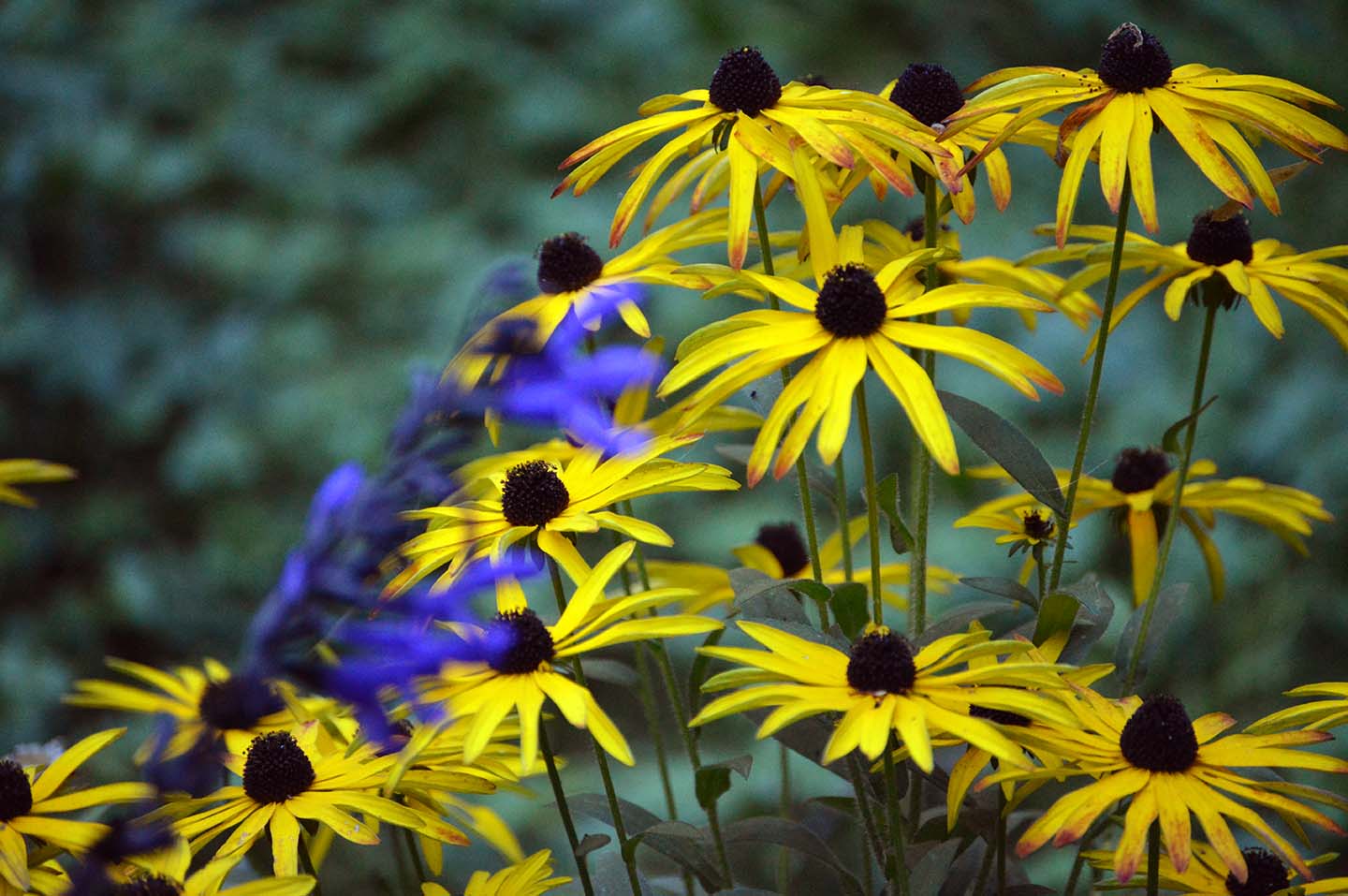
One of the highlights of spring is my annual trek to the tulip farm. This year I missed the seasonal opportunity, since I came back too late from California. However, a bouquet of tulips was waiting for me upon my return, sent by the kids, considerably brightening last week, even when the flowers reached their old Dutch Master phase of drooping heads and falling petals.

They brought nothing but unadulterated joy, starting with the loving gesture, then beauty, both in prime and in decay. Most importantly, though, they served as daily reminder that nature just produces the most incredible forms and color, each and every year again, the renewal of spring, rebirth.
I could not possibly conceive of tulips as the enemy, the intruder, a force imbued with aggression, disturbance, a bout of suffocation. That is, of course, how tulips are depicted in the poem below, at least superficially. Deep down the poet acknowledges the power nature exerts in anchoring us in life, rather than letting us slip into oblivion, even if she fights tooth and nail to be granted the latter.

Plath wrote this poem a few days after she left the hospital in 1961, where she had spent almost two weeks after an appendectomy. Some weeks earlier, she had miscarried, making me speculate that hormonal shifts and grief added to the experience of pain after surgery, the anger at a mutilated body, the rage against an “awful baby”. At this point, she had been married for 5 years, was the mother of a toddler, and her first suicide attempt safely in the distant past. Yet the darkness of depression raised its head. The ugly lure of death lurked seemingly again. With her marriage breaking up the next year, despite the birth of another child in April 1962, she told friends that a recent significant car accident had been an attempt to end her life. She saw it through the next year by inhaling gas from the stove, ending her life at age 30.
Her son followed in her footsteps, many years later. Her husband’s lover, one cause for the dissolution of the marriage to Plath, also killed herself and the 4 year old daughter she had with Hughes. So much death and destruction.
But the point I am trying to make here, is that under the guise of animosity towards the floral intruders, even in the middle of shattering sadness, Plath captures the vibrancy, the saturation of color, the intensity and above all the life force of tulips to perfection. Her desired state of white, flat, silent oblivion, described in excruciating details, just as the physical dread after surgery, is the perfect foil for the explosion of red insistence by the tulips: dragging you back into existence, wanted or not.

Of course, I cannot help but point out that the aggressive lure of tulips pushed people not just back into life but also down into ruin – the 17th century tulip mania, a speculative bubble that led to an economic crash. Plath’s poem, however, is not about general insights, but a very subjective, personal experience of the dialectic between her desire for extinction and the tulip’s refusal to grant it. Would not have worked with buttercups, or forget-me-nots, or lilies or carnations.
My tulips open my heart with joy; the poet’s words open it with empathy for someone suffering so. But I will cling to the former for a while longer, before I acknowledge that no magic flower exists that can beat clinical depression. Holding on to cheer as long as I can.

Here is some music for spring.
